
Part 1 – Why They Left: Push and Pull Factors
Many of us with Luxembourg or Belgic-Luxembourg1 immigrant ancestors might know their names, their year of birth, village of origin in Luxembourg, the year they immigrated, the year they died and the place they are buried. But for most of us, the story behind the why and how they left Luxembourg for a new life in America remains a mystery. In this seven-part series, we hope to provide knowledge and insight into why and how your ancestors left the country they loved for the land of opportunity. In this first article, we will discuss the “push and pull factors” that enticed our ancestors to leave Luxembourg for America.
By Kevin Wester
Luxembourg, which dates to 963 A.D., experienced three historic partitions over the centuries. The final partition took place in 1839 when a large section of Luxembourg was ceded to the newly formed Kingdom of Belgium and Luxembourg became independent. At that time, the size of Luxembourg was halved, which created political and social instability, especially for those living around the newly formed border between Luxembourg and Belgium. In that era, Luxembourg and Belgic-Luxembourg2 was largely rural, agrarian and poor. Most Luxembourg farmers tried to eke out a living on a very small parcelof land.
Prior to the French Revolution, when a surviving parent passed away, a small farm estate was bequeathed to the oldest son, a practice in Luxembourg for generations. Though the farm was small, it was basically intact, allowing the next generation to also make a living from it. Following the French Revolution and the implementation of the Napoleonic system, the law changed so that when the surviving parent passed away, the farm was divided equally among all children, male and female. Families tended to be larger than today, which meant that already small farms were divided into miniscule portions that were not sustainable. The other option was that one sibling come up with enough resources to buy out his siblings’ portions of the farm. This was typically impossible for most poor Luxembourg farmers in the 19th century.
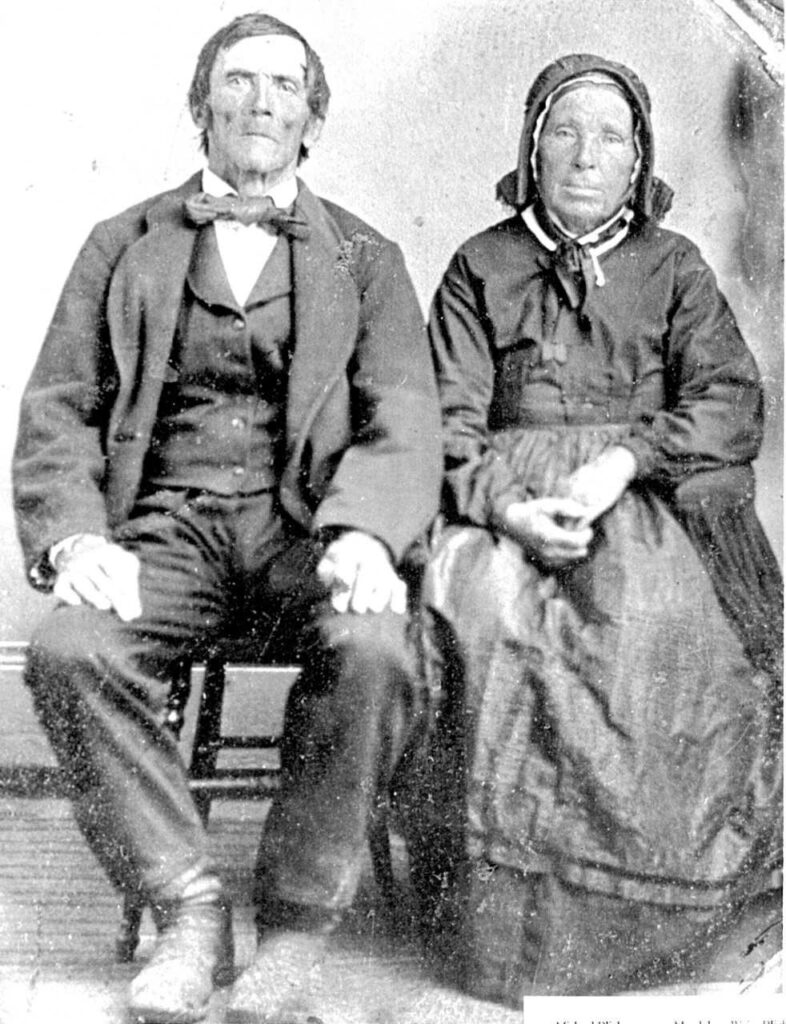
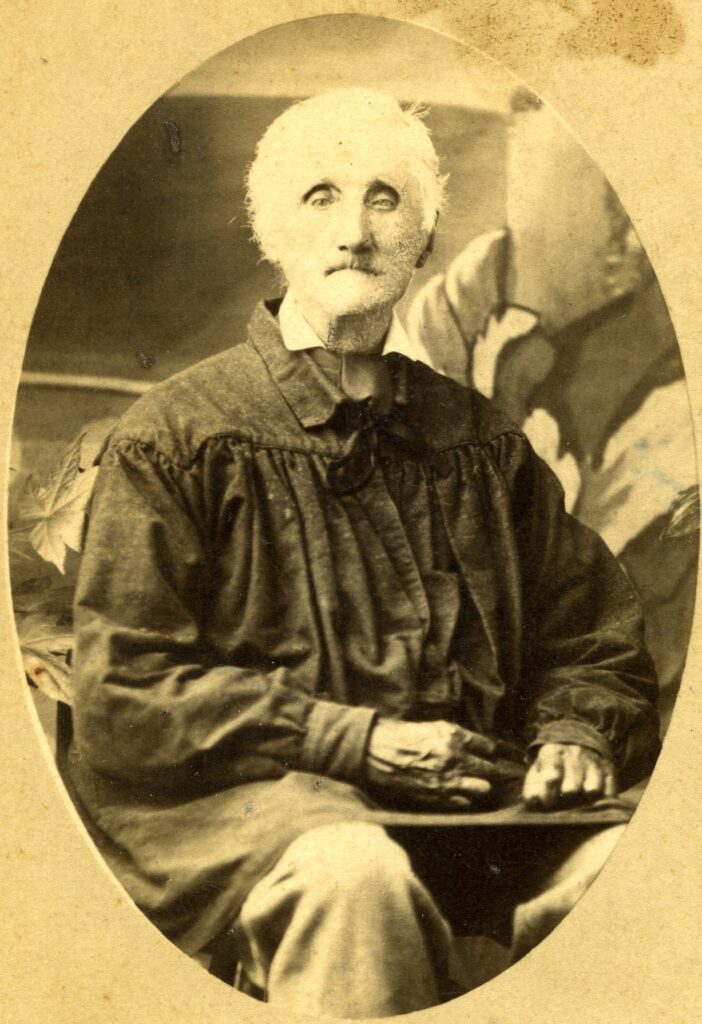
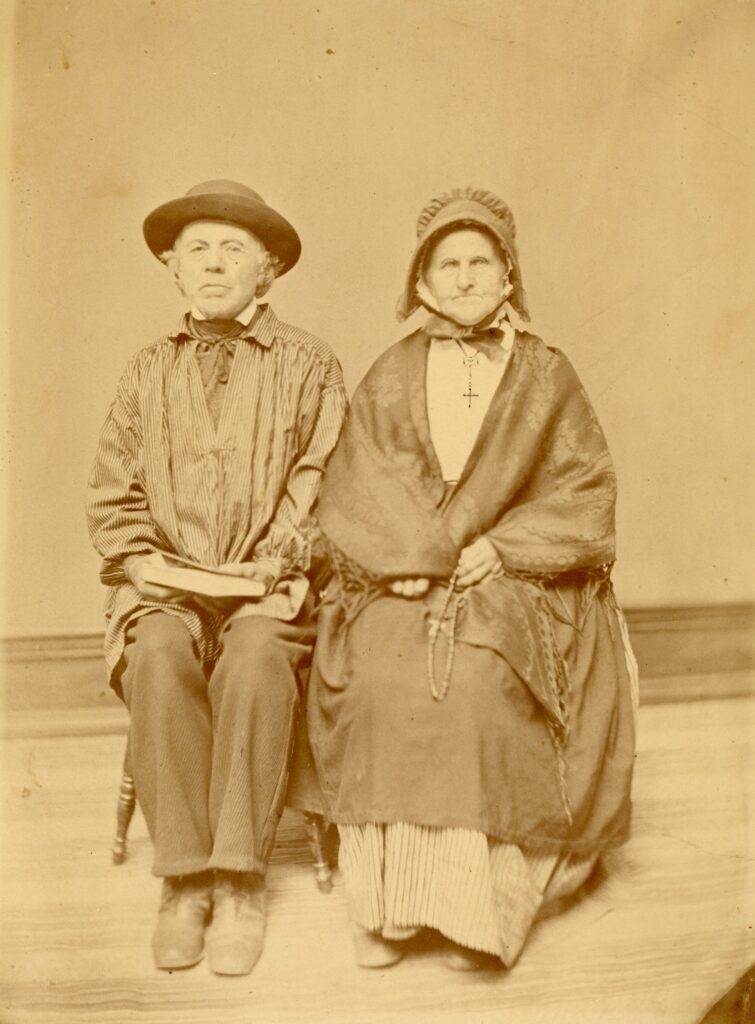
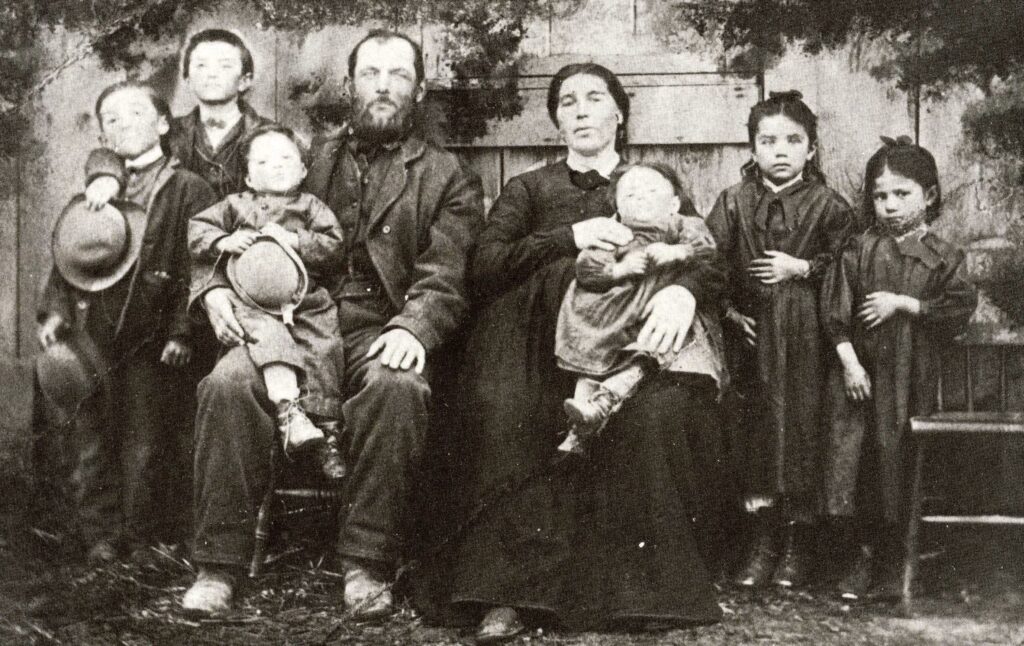
Beginning in the mid-19th century through the early 20th century, approximately 76,0003 Luxembourgers, nearly one-fourth of the country’s population at the time, emigrated to America in hope of securing a more stable and prosperous life. The earliest, noticeable immigration began in the 1830s from the border region between Luxembourg and the newly formed Kingdom of Belgium, especially in the Arelerland.4 But in the 1840s, immigration could be found in all regions of Luxembourg.
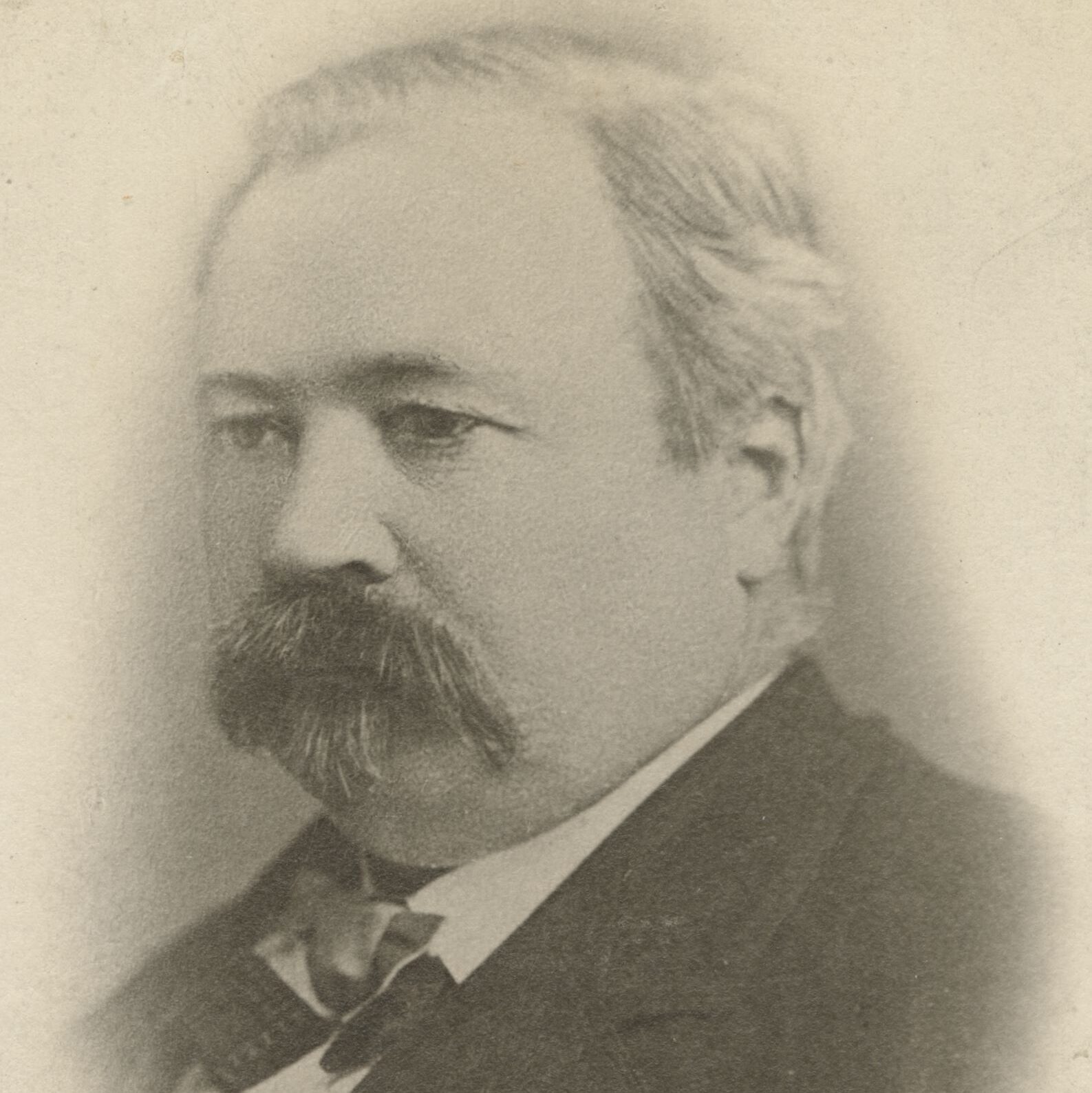
Nicholas Gonner, the publisher of the “Luxemburger Gazette” newspaper of Dubuque, Iowa, published 1871-1918, and author of the 1889 landmark study of Luxembourg immigration entitled “Die Luxemburger in der Neuen Welt” (Luxembourgers in the New World), stated that the primary factor for Luxembourg emigration to America was progressive and permanent impoverishment of the population in general. Gonner further states that it was not so much a lack of money as a decline in the quality of life.5
Historians Jean Ensch, Jean-Claude Muller and Robert Owen, who translated and republished Gonner’s “Die Luxemburger in der Neuen Welt” into English in 1987, describe the “push and pull factors” that led to mass emigration from Luxembourg in that era.
The push factors that motivated Luxembourgers to leave their homeland included:
- An increase in population because of improved hygienic conditions
- A decrease in infant mortality
- Excessive partitioning of available farmland among all children at the time of inheritance (a concept introduced by the French after the French Revolution)
- Poor harvests for farmers and vintners
- High taxes
- Avoidance of compulsory military service on behalf of neighboring countries
- Uncertain political climate
- The Industrial Revolution6
The pull factors drawing Luxembourg immigrants to America included:
- Availability of large tracts of cheap land
- Possibility of higher income
- Possibility of social advancement
- Perception of America as a “paradise” fostered by letters and reports from fellow emigrants
- Evident success of relatives who had emigrated previously7
Those who emigrated, especially in the second half of the 19th century, were not the poorest of the poor who did not have enough financial resources to leave. Rather, it was the lower middle class, despite being afflicted with poor harvests and high taxes, who found the means to leave. Emigrating to America made sense for many. They could sell their land, homes and basically all their personal possessions and use those resources to purchase as much as 10 times the amount of acreage in America as they possessed in their homeland. This was no small consideration for the struggling, 19th century farm family from Luxembourg.8
Luxembourgers and Belgic-Luxembourgers who emigrated to America in the first two decades of the 20th century were perhaps better off financially than those in the 19th century, but they still left Luxembourg for America for some of the same reasons, especially higher income and social advancement.
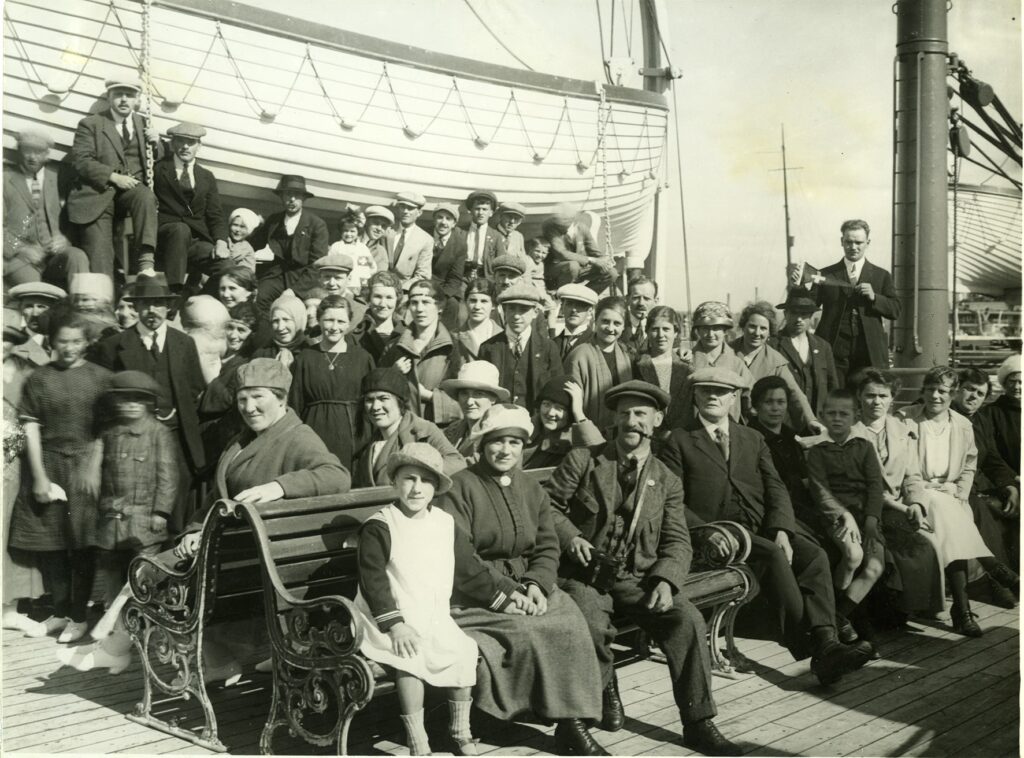
In emigrating to America in the 1830s, Luxembourgers and Belgic-Luxembourgers first settled in New York and Ohio. But by the 1840s, they were settling in Wisconsin, Illinois and Iowa. In ensuing decades, they made their way to Minnesota, the Dakotas, Nebraska, Kansas and points further west.
Before immigrants left Luxembourg, they certainly asked these important questions: “Who should immigrate and who should stay home? What should we bring along and how will we get to America?”
Stay tuned for Part 2 of this series to learn the answers to these questions.
[1] Immigrants from what became the Province of Luxembourg in Belgium with the final partition of Luxembourg in 1839. While these individuals were technically Belgian citizens beginning in 1839, they were ethnically, culturally and linguistically Luxembourgers and thus are a part of this study.
[2]Refers to the Province of Luxembourg in Belgium that was formed after the final partition of Luxembourg in 1839.
[3] Jean-Claude Muller & Robert E. Owen, an article entitled La Liste Des Passagers du Voilier ‘Sylvanus Jenkins’, arrivé à New York le 3 Juillet 1845 – un Document Exceptionnel Pour l’étude des Pionniers de l’Ozaukee County, Wisconsin, from Association Luxembourgeoise de Généalogie et d’Héraldique – Luxemburgische Gesellschaft für Genealogie und Heraldik – Annuaire/Jahrbuch 1998 (Mersch, Luxembourg), 304.
[4] The Luxembourgish speaking region around Arlon, now in Belgium. Arlon is referred to as Arel in Luxembourgish. Thus, in Luxembourgish, the area around Arlon (Arel) is the Arelerland.
[5] Jean Ensch, Jean-Claude Muller, Robert E. Owens (editors), Luxembourgers in the New World – a reedition based on the work of Nicholas GONNER «Die Luxemburger in der Neuen Welt», Dubuque, Iowa, 1889, by Nicholas Gonner. Original translations by Gerald L. Liebenau and Jean-Claude Muller, Volume 1, 30.
[6] Jean Ensch, Jean-Claude Muller, Robert E. Owen (editors), Luxembourgers in the New World, 35.
[7] Jean Ensch, Jean-Claude Muller, Robert E. Owen (editors), Luxembourgers in the New World, 35.
[8] Suzanne Bunkers – http://krypton.mnsu.edu/~yf3396cp/immigran.htm
0 Comments