
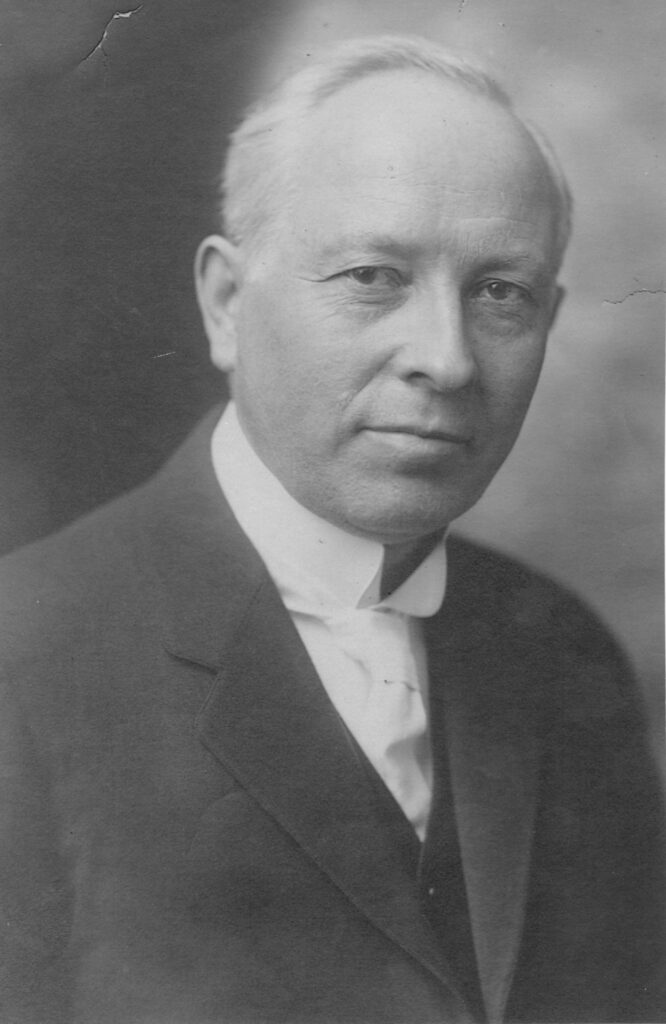
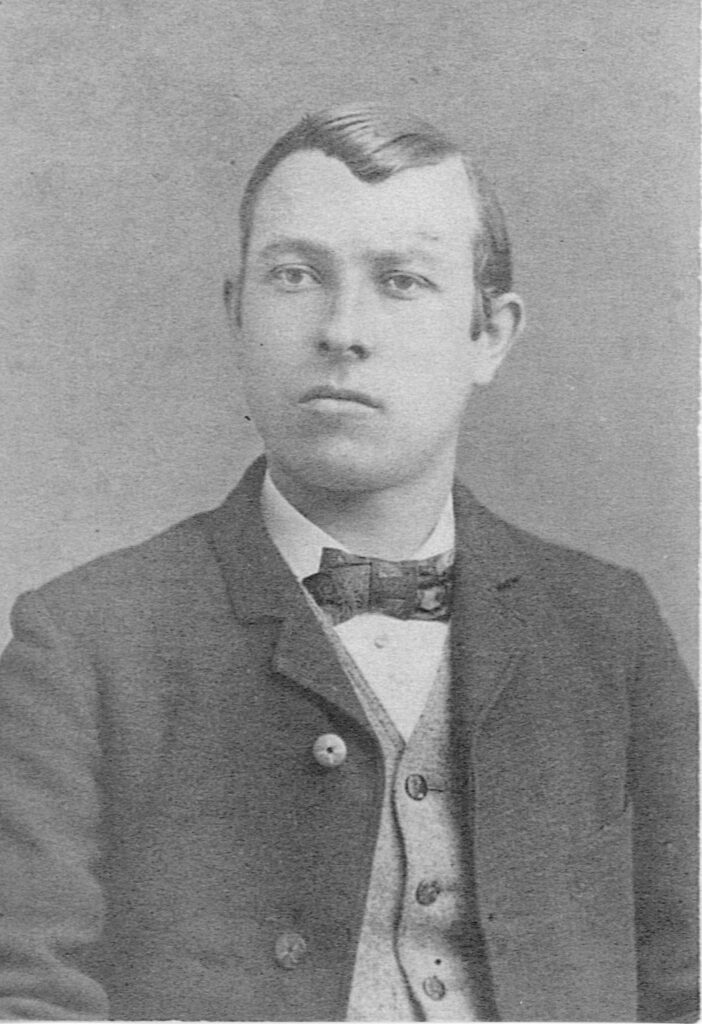
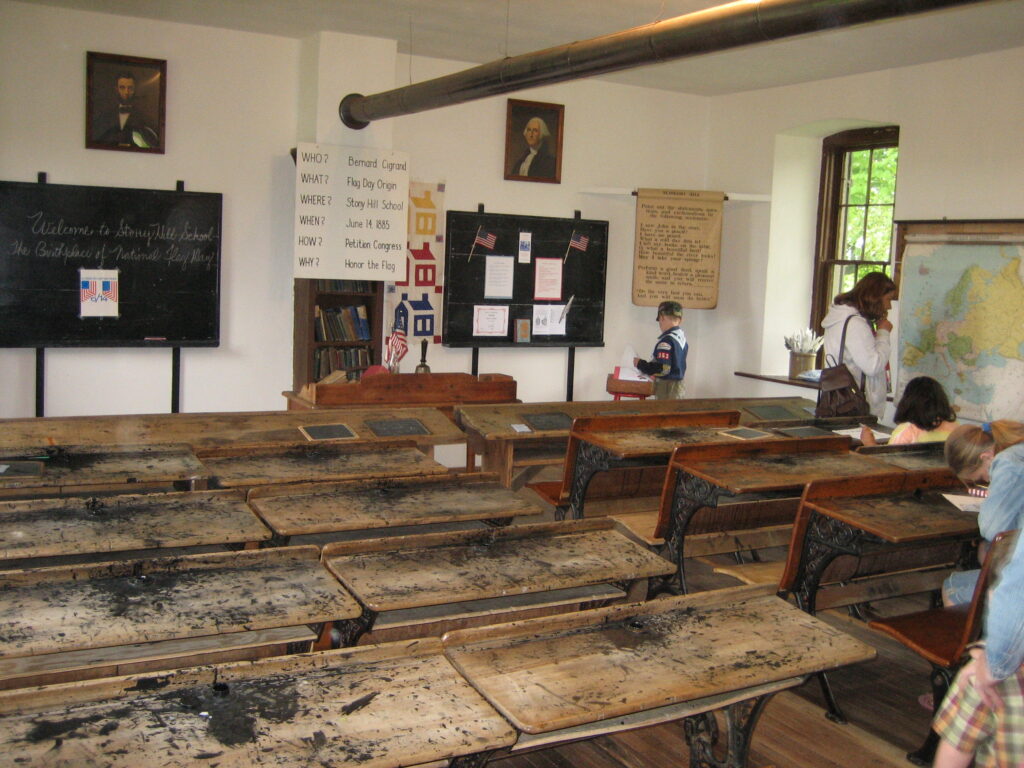
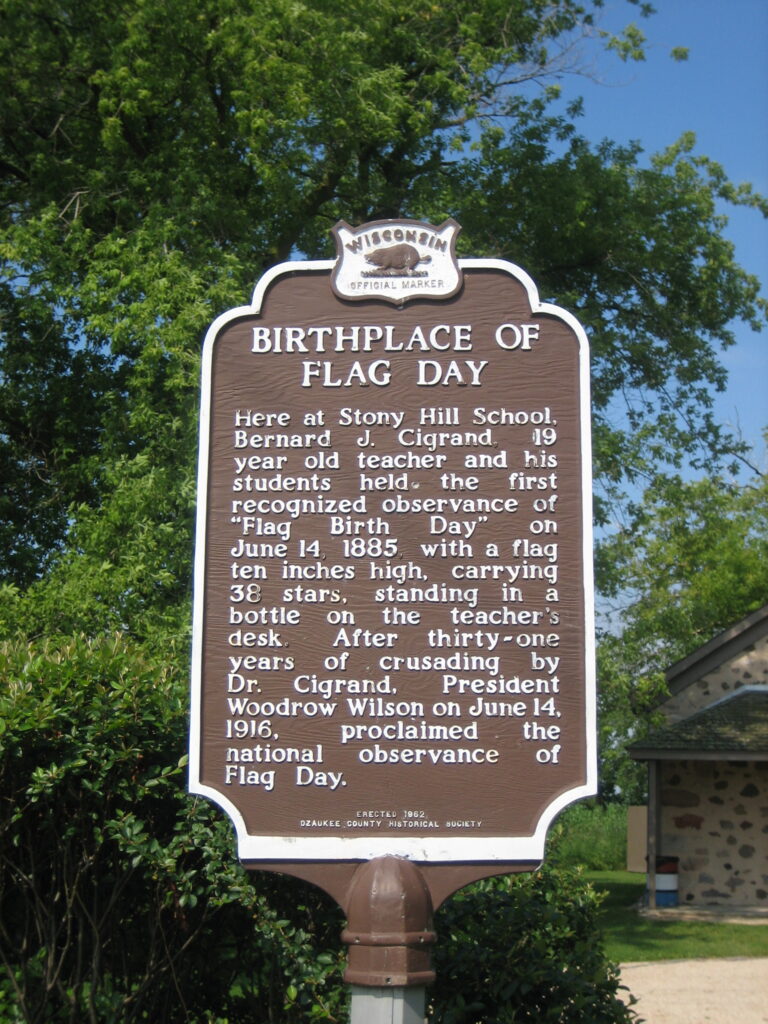
With a small flag in a bottle on his desk, 19-year-old teacher Bernard J. Cigrand asked his students to write an essay about the importance of the flag. The date was June 14, 1885, a date Cigrand chose because the Continental Congress formally adopted the Stars and Stripes as the nation’s official flag on June 14, 1777.
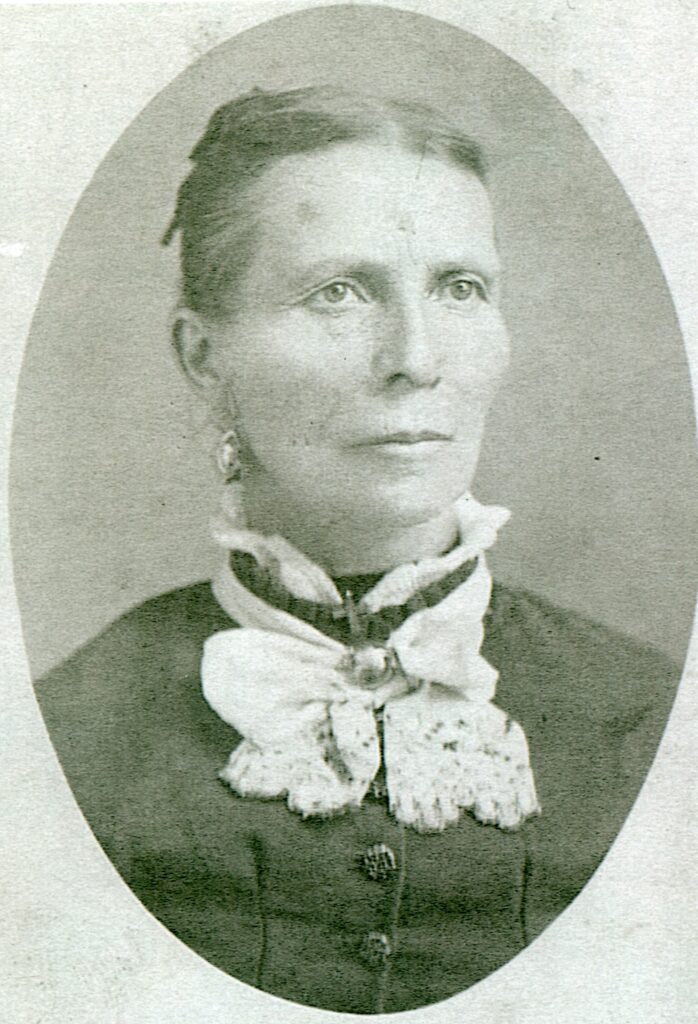
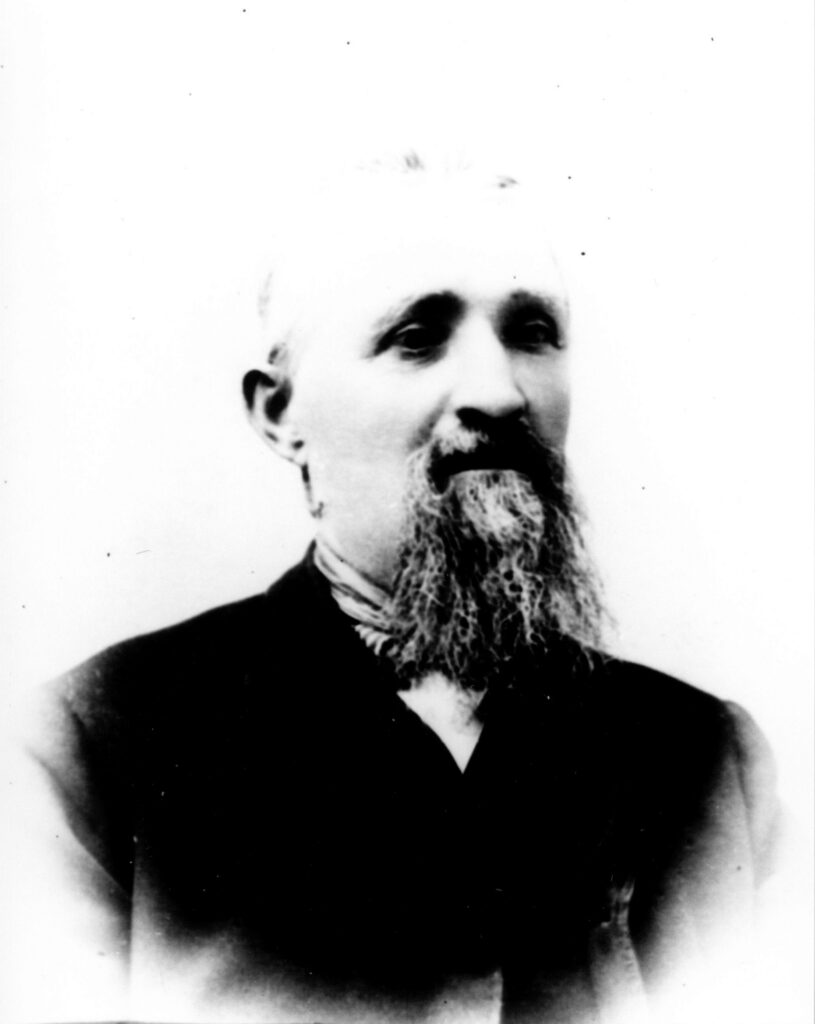
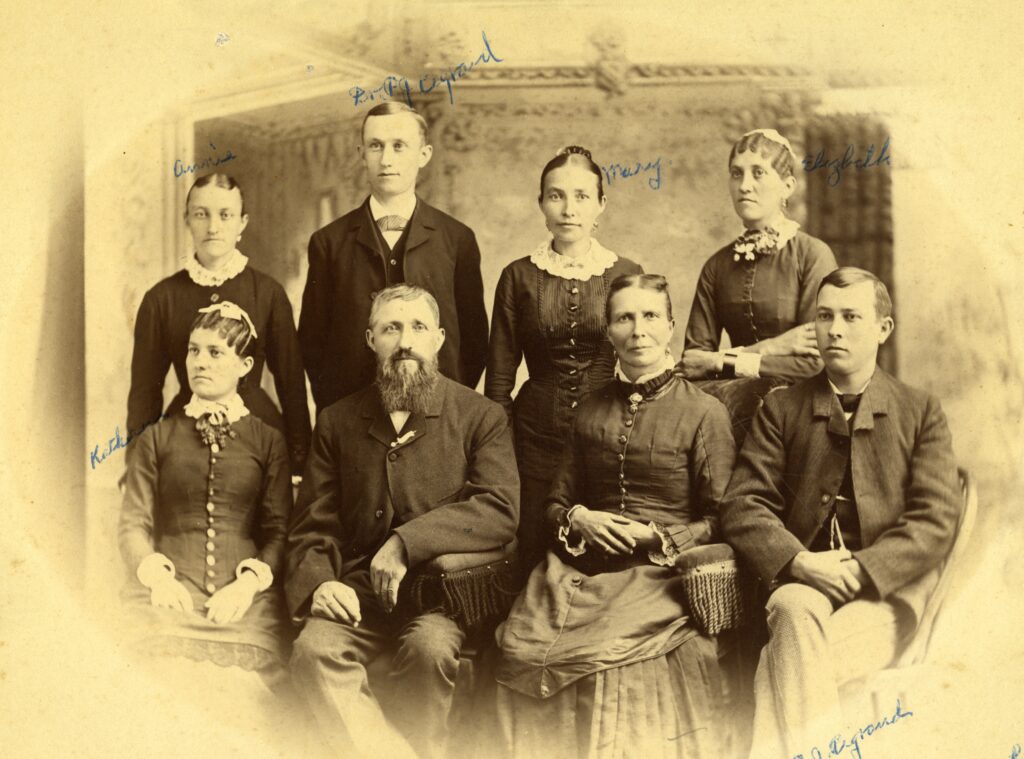
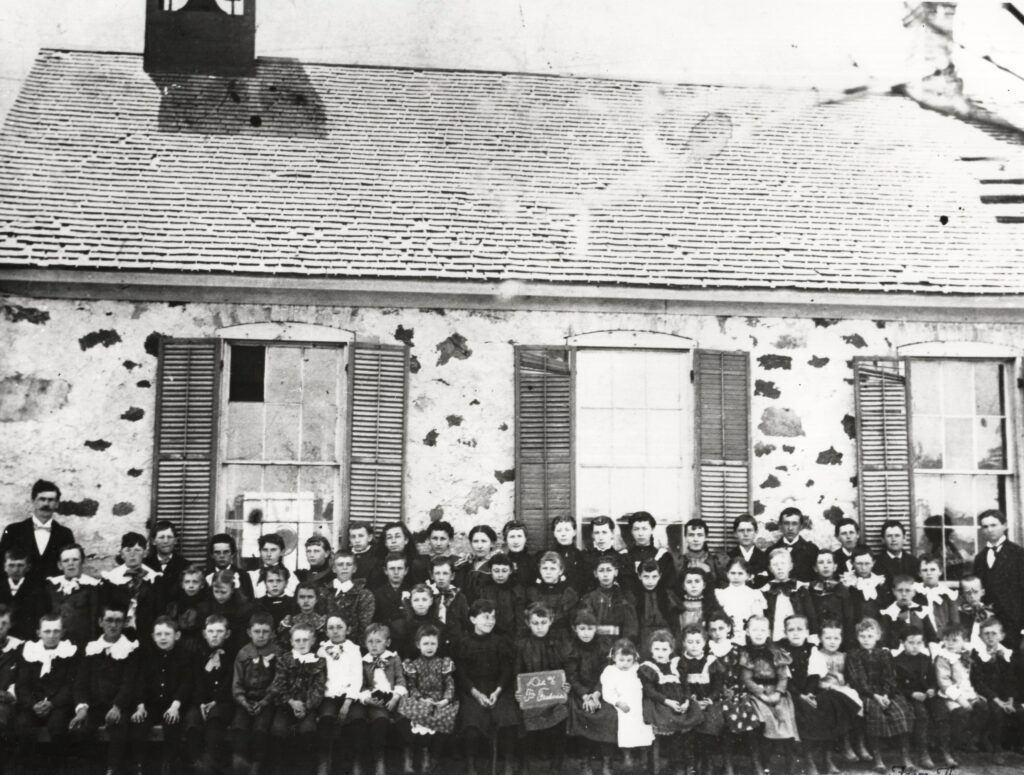
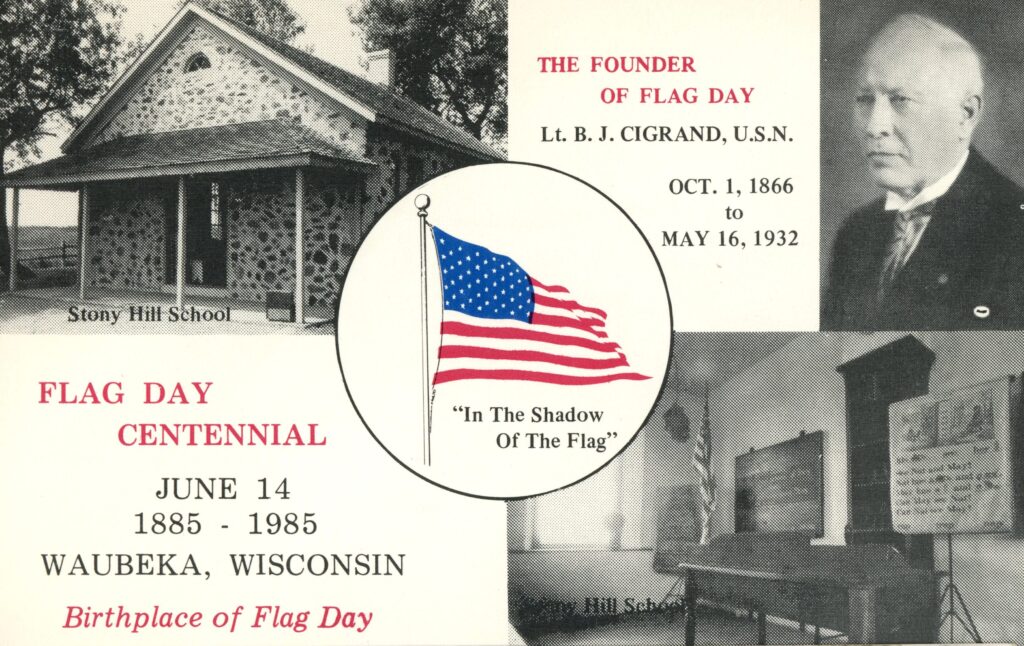
Cigrand, the son of Luxembourg immigrants Nicholas and Susann (Schmit) Cigrand of Bourglinster, Luxembourg, was born in Waubeka, Wisconsin, on October 1, 1866. From a young age, he was interested in American history and had a great love for the American flag. At age 19, he became a teacher at the one-room Stony Hill School on the outskirts of the tiny village of Waubeka, near Belgium, Wisconsin, and came up with the idea of having a national day of observance to celebrate the birthday of the flag, something he spent many years fervently promoting.
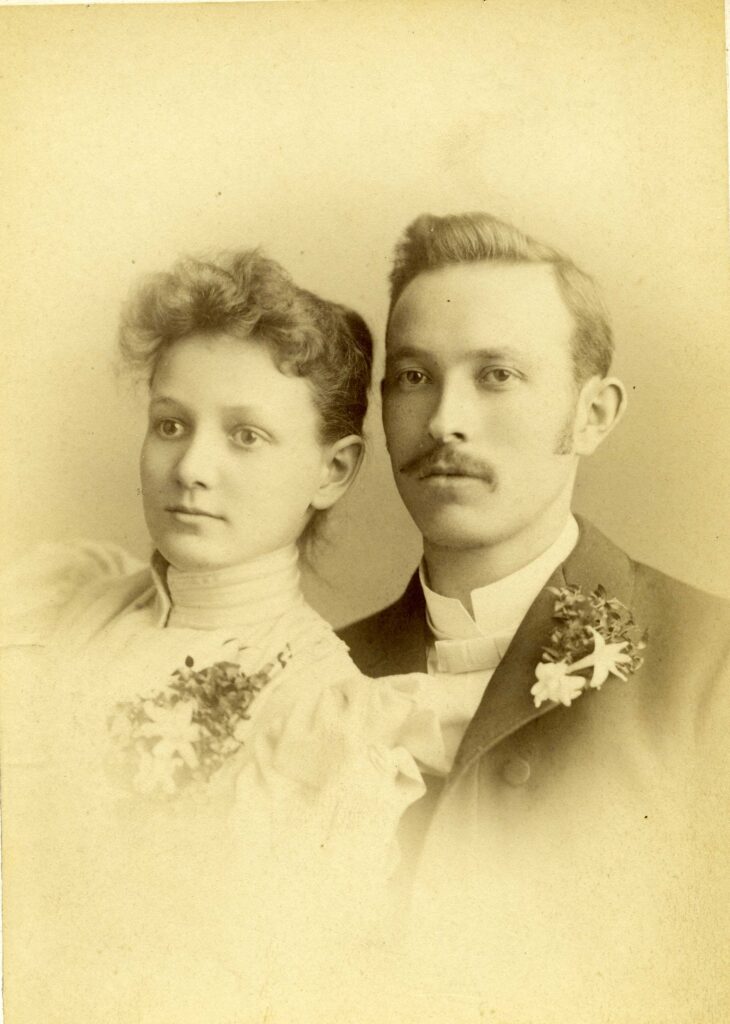
In 1886, Cigrand left Stony Hill School to attend Northern Indiana Normal School to begin training to become a dentist. He graduated from Northwestern University Dental School in Chicago in 1888 and from Lake Forest University in 1891. He started a dental practice in Chicago and married Alice Needham Crispe and the couple had six children.
A prolific writer, Cigrand’s best-known works include “The Story of the American Flag,” “History of the American Emblems,” “The Real Abraham Lincoln,” “Life of Alexander Hamilton,” “History of American Heraldry,” “History of Dentistry,” “History of Medicine,” and books on his family genealogy. He was a contributing editor to the Encyclopedia Americana and to numerous dental and literary journals. He served on the faculties of Northwest University, the university of Illinois and the Illinois School of Dentistry, where he was dean. He was elected and served for several years as president of the American College of Dental Surgery. He served as an officer in the Navy during World War I.
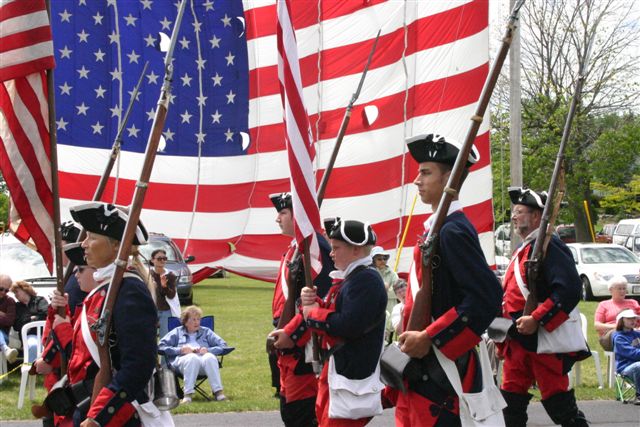
Throughout his career as dentist and educator, he kept up his Flag Day crusade. Finally, on June 14, 1916, President Woodrow Wilson issued a proclamation calling for a nation-wide observance of Flag Day, a celebration that continues to this day.
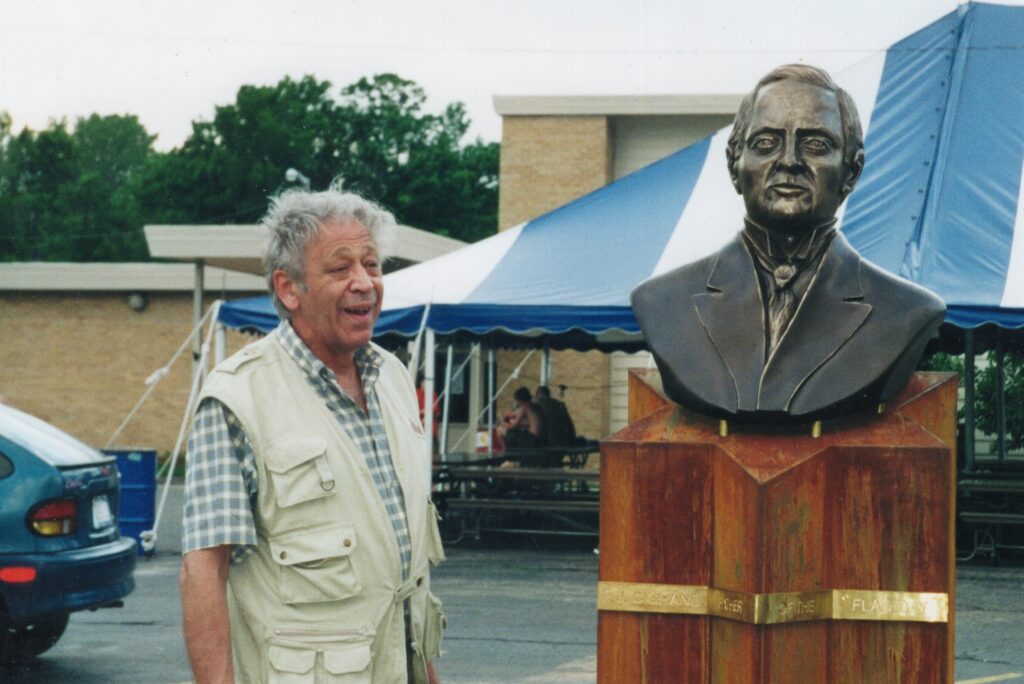
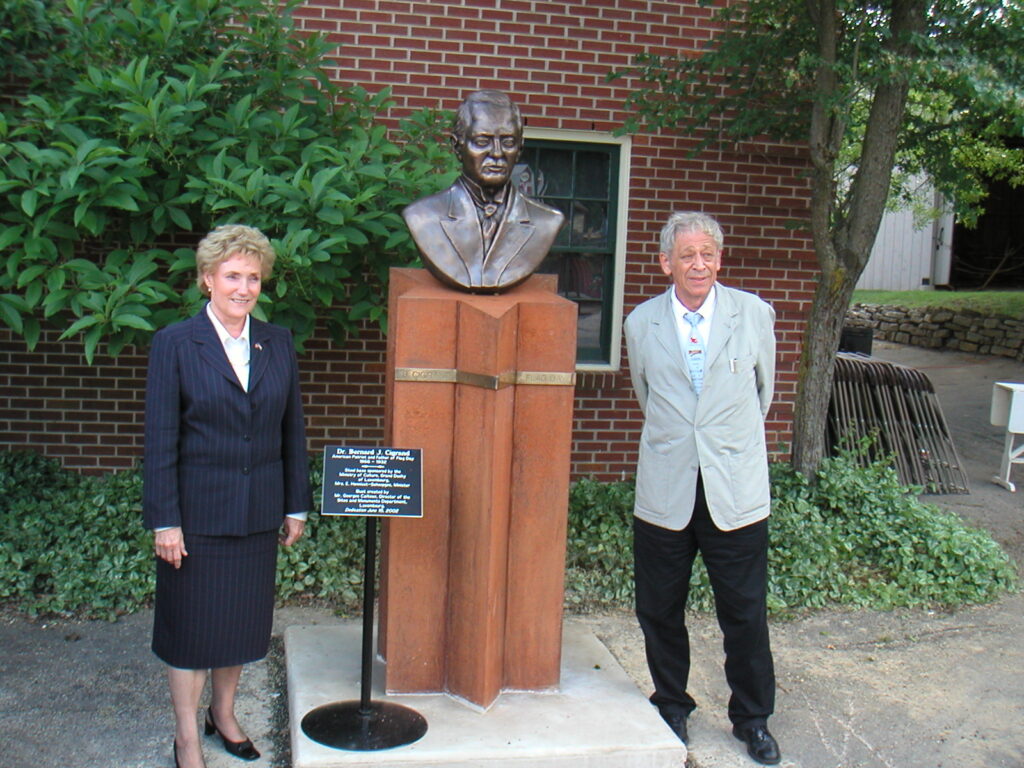
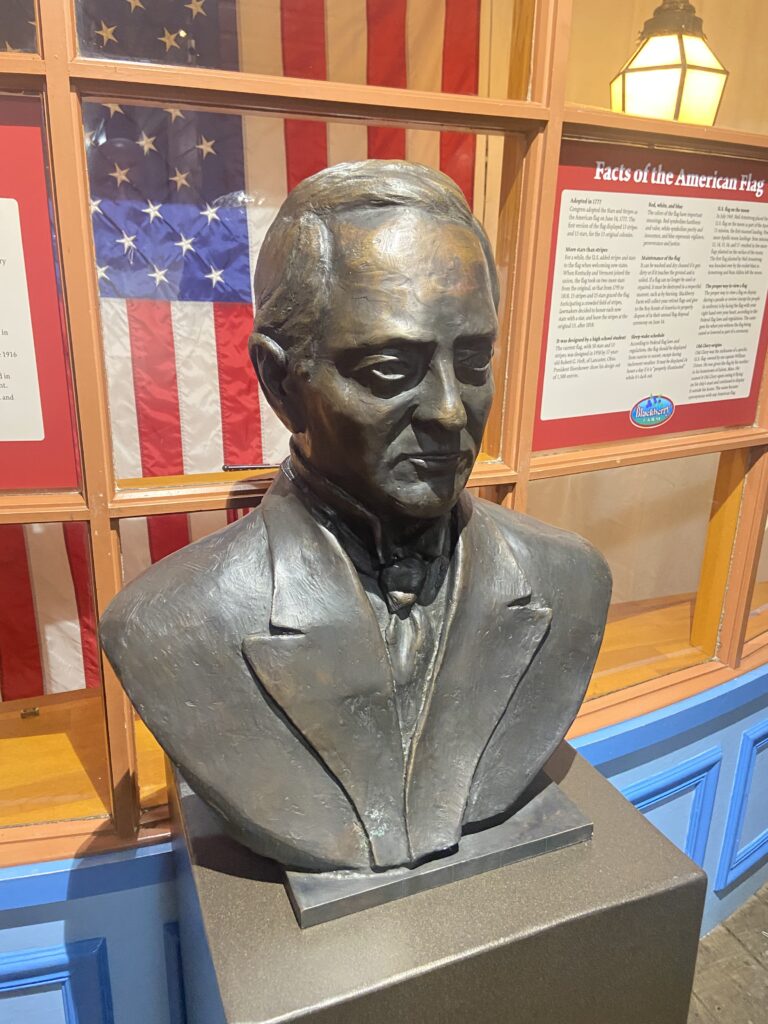
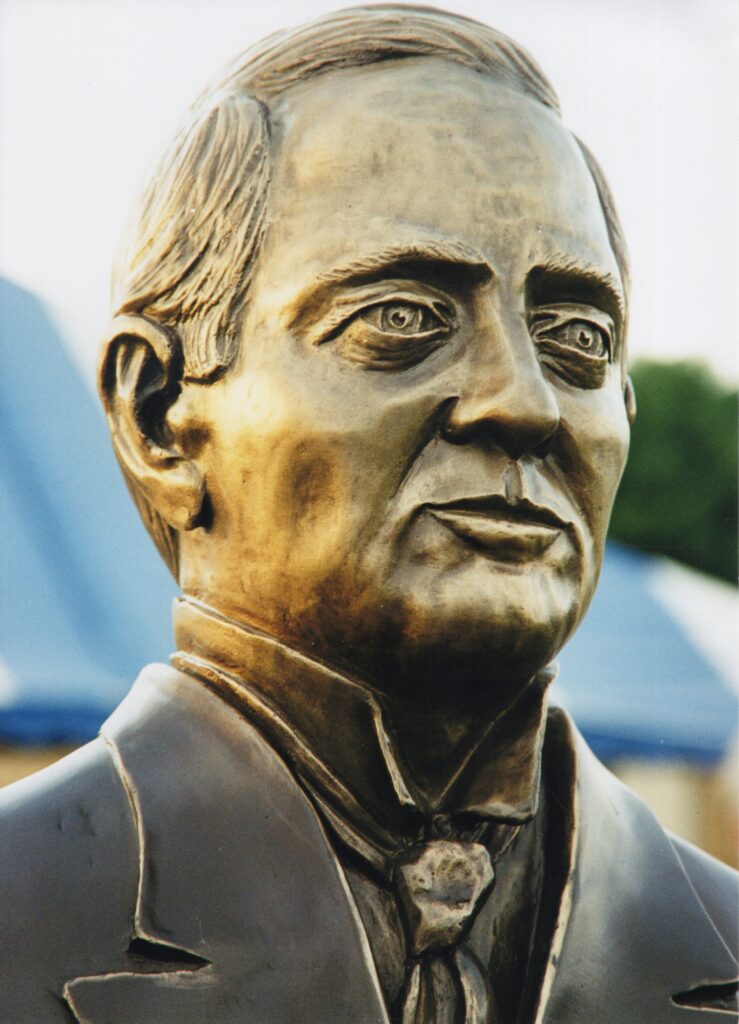
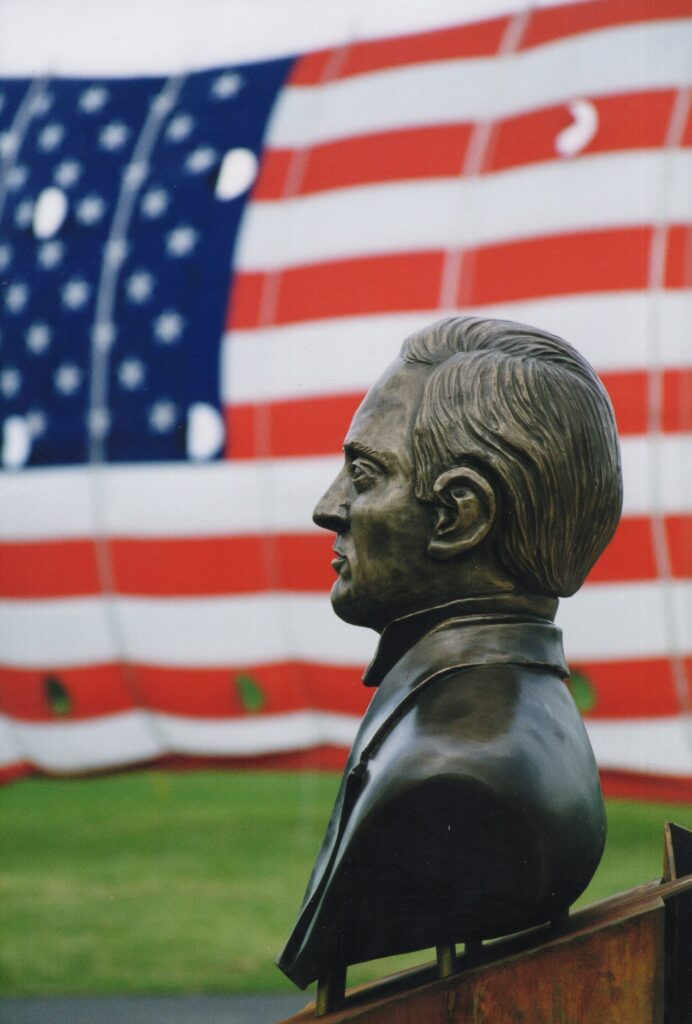
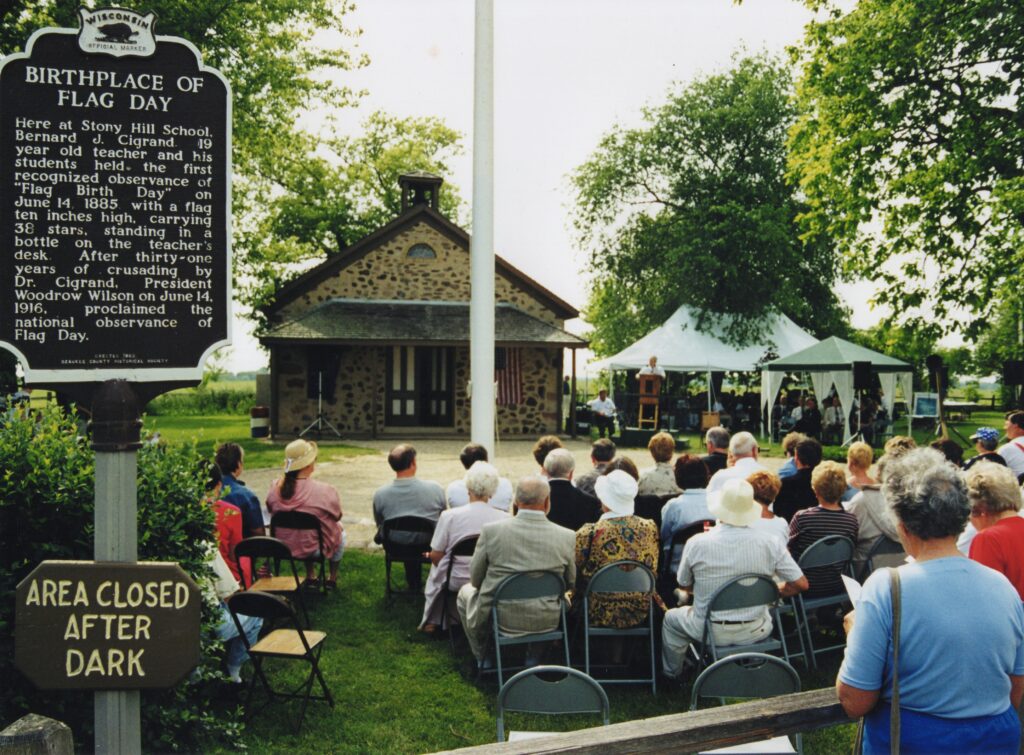
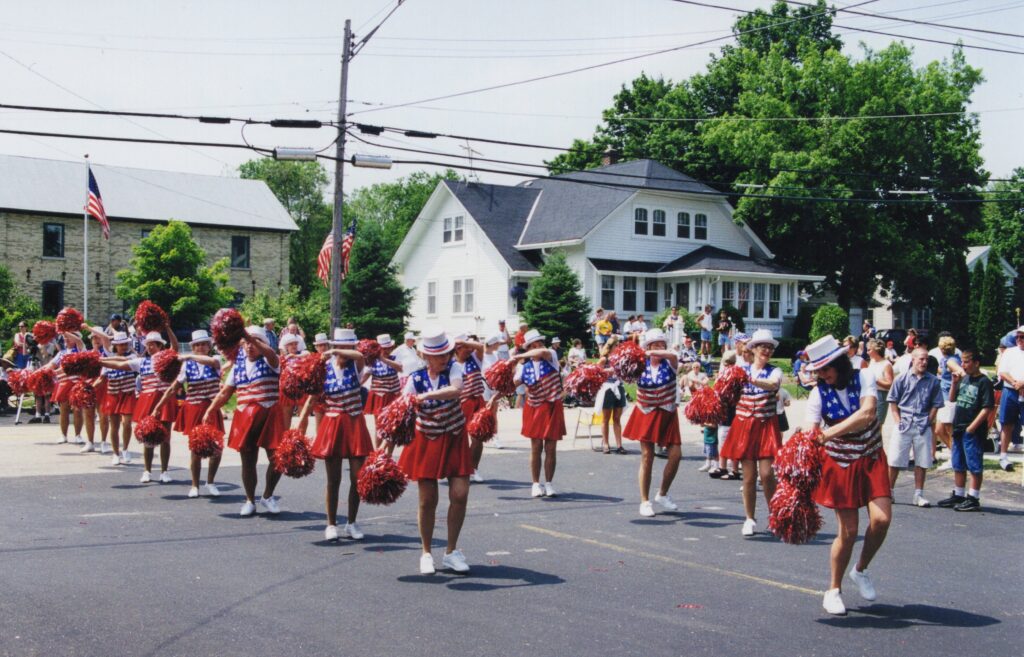
Cigrand, heralded as the “Father of Flag Day,” died on May 16, 1932, and was buried in Riverside Cemetery in Aurora, Illinois, where he lived and had a dental practice. Flag Day is celebrated each year in Waubeka with a program, parade and other activities. The Ozaukee County Historical Society acquired Stony Hill School and operates it as a historic site and “The Birthplace of U.S. Flag Day.” In 2000, Luxembourg recognized the legacy of Cigrand by placing a bronze bust of him in front the Waubeka’s Americanism Center. The bust was created by Georges, Calteux, who was director of sites and monuments for the Luxembourg Ministry of culture and a relative of Cigrand. In 2002, an identical bust was placed at Blackberry Farm’s Pioneer village in Aurora and a third was placed in front of the Cigrand ancestral home in Bourglinster, Luxembourg, located near the entrance of the Bourglinster Castle. In 2004, the U.S. Congress proclaimed Waubeka as the “The Birthplace of U.S. Flag Day.”
Cigrand will be remembered as one of the most prominent and influential Luxembourg Americans in U.S. history.
Watch Kevin’s video about Cigrand’s ancestral home in Bourglinster, Luxembourg.
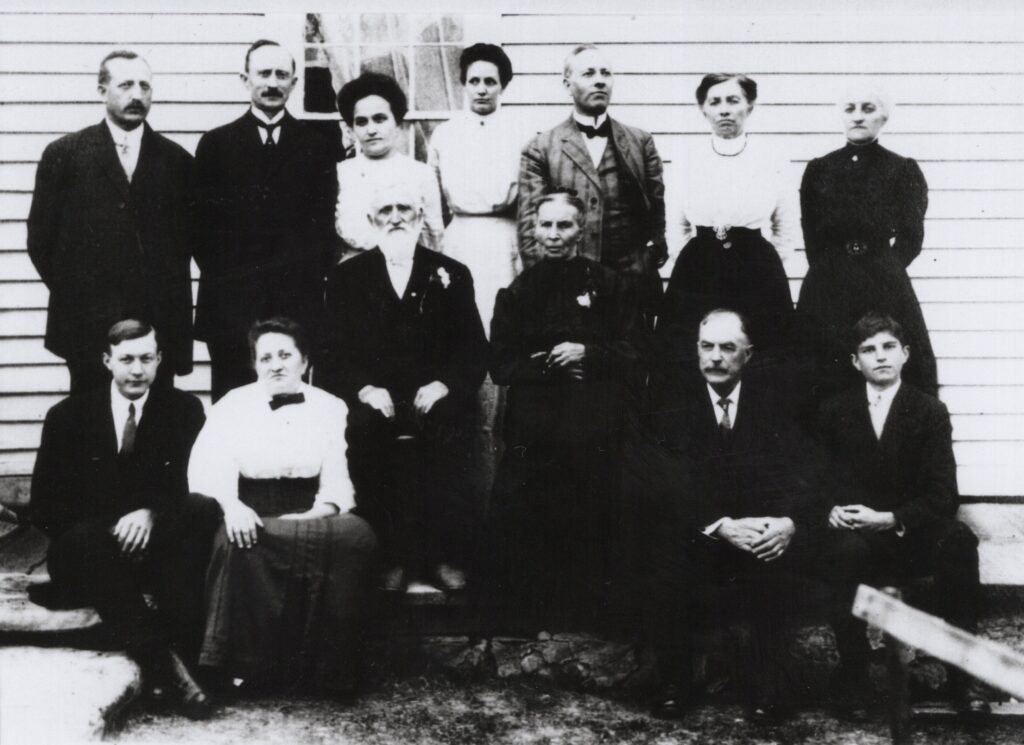
All photos are from Luxembourg Legacy photo collection.

0 Comments