By Kevin Wester
The main focus on Luxembourgers in Wisconsin is typically the large, early settlements in Ozaukee and Sheboygan counties as well as La Crosse County. One often overlooked and rarely documented Luxembourg settlement in Wisconsin is Mineral Point in Iowa County.
Mineral Point, located along Highway 151 in southwestern Wisconsin between Madison, Wisconsin, and Dubuque, Iowa, was established in 1827. In its early history, it was known for its lead mines and the Cornish immigrants who settled there to work in the mines.
Following the Cornish settlement, Irish Catholics made Mineral Point their home. Catholicism there dates to the great missionary priest of the region, Italian-born Rev. Samuel Mazzuchelli, who first visited Mineral Point in 1835.[1] He ministered to the early Irish Catholics of the community and in about 1839, St. Paul’s Parish was formed. By1842, a substantial stone church was built and the Irish parish flourished.[2]
Beginning in the 1850s, German-speaking Catholics began to settle in Mineral Point in increasing numbers, including Luxembourgers, Germans, Austrians, Bohemians and Swiss.[3] They attended the predominantly Irish St. Paul’s Parish and within a short amount of time, there were as many German-speaking congregants at the parish as there were Irish. Beginning in 1860, separate Masses were celebrated at St. Paul’s for the German-speaking parishioners with sermons and prayers in German.[4]Separate first communion and confirmation ceremonies were also celebrated for the German-speaking children. When early Luxembourg immigrants died in Mineral Point, they were buried in St. Paul’s Cemetery among the Irishmen.
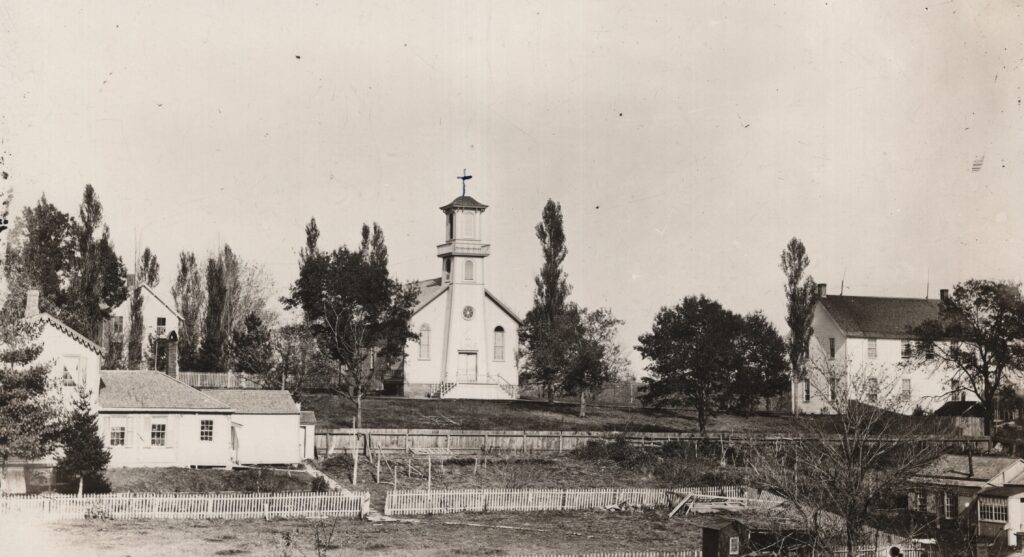
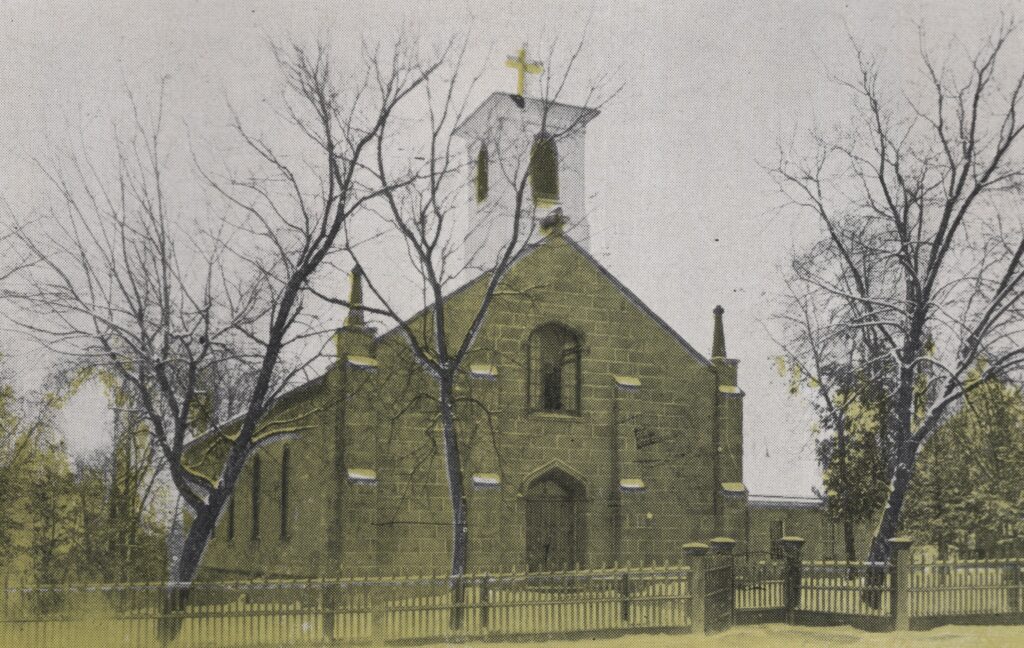
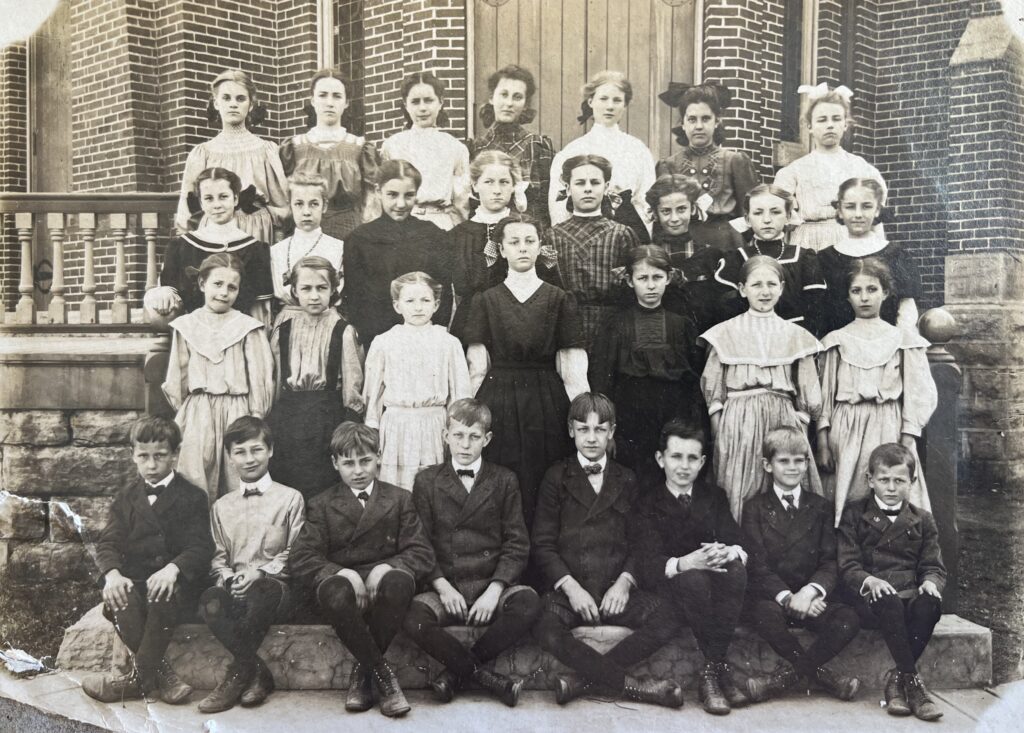
In 1870, the German-speaking Catholics of Mineral Point, which included a considerable number of Luxembourgers, formed their own St. Mary of the Nativity Parish.[5] The Rev. F. X. Weinhart was assigned as their first pastor. The new parish purchased a triangular three-acre lot on David Street for $10,000, the site of its first frame church.[6] In 1871, the parish organized and built the first St. Mary’s School, which was staffed by the Dominican Sisters from Racine, Wisconsin. This frame school was replaced in 1904 by a large brick building, which is still standing to this day. Wanting a cemetery of their own for the German-speaking Catholics of the region, the parish purchased four acres near Mineral Point in 1873 and founded St. Mary’s Cemetery.
The following is a list of Luxembourgish families who settled in the Mineral Point region and their community of origin in Luxembourg. This list is not exhaustive and is based on gravestone inscriptions, censuses, plats, newspaper articles and church records.
Bastin (Fingig),
Beckius (Beyren, Gostingen)
Berg (Beaufort)
Brick (Bergem)
Delles/Dalles (Canach)
Demuth (Gostingen, Ahn)
Drees/Trace (Ellange)
Francois (Steinfort)
Freiden (Ehnen)
Geib (Canach)
Gevelinger (Sandweiler)
Hartert (Steinfort, Luxembourg, Stockem, Province of Luxembourg, Belgium)
Hoffmann (Lenningen)
Holtz (Beyren)
Kauffman (Gostingen)
Kergen/Simon (Oberdonven)
Ketter (Medingen, Kapenacker)
Kieffer (Gostingen, Beyren)
Kinn (Gostingen)
Koppes (Schuttrange)
Krier (Niederdonven)
Ley (Ahn, Wormeldange, Gostingen)
Linden (Ehnen)
Mathes/Mathias (Beyren)
May (Wormeldange)
Medinger (Beyren)
Molling (Niederdonven)
Peter/Peters (Waldbredimus)
Pinnel (Wormeldange)
Reger (Flaxweiler, Beyren)
Ruppert (Niederdonven)
Schaaf (Gonderange)
Schill (Beyren)
Schmit/Schmitt (Gostingen, Ellange, Itzig)
Schumacher (Wormeldange)
Simon (Oberdonven)
Steffen (Hollenfels/Betzdorf)
Steffes (Beyren, Betzdorf)
Steil (Eschweiler)
Steines (Nospelt)
Ternes (Niederdonven)
Theis (Waldbredimus)
Theno (Schuttrange)
Thill (Wormeldange)
Thomas (Beyren)
Weier (Niederdonven)
Wenner (Waldbredimus, Contern)
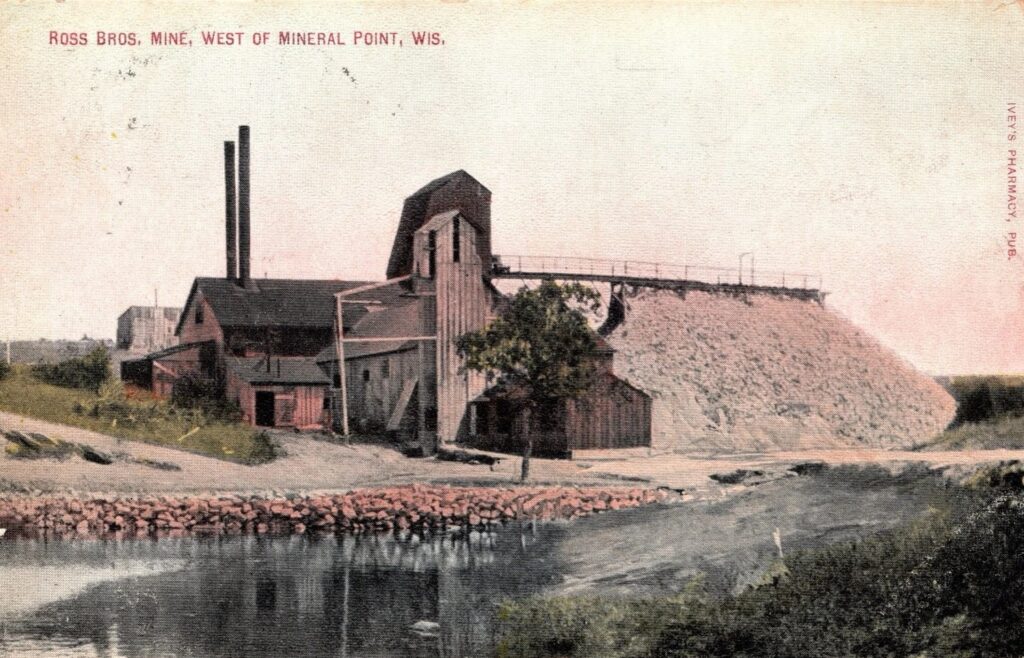
As can be seen by the communities of origin in Luxembourg, many of the Mineral Point Luxembourgers were from the financially depressed Moselle Region of the Grand Duchy. While most of these families lived in and around Mineral Point, a few resided in nearby Hollandale, Jonesdale, Dodgeville, Union Mills, Darlington, Highland and even Platteville. Most were farmers, while others worked as saloonkeepers, liquor store owners, tailors, grocers, furniture sellers, undertakers, shoemakers/sellers and mine laborers.
In his 1889 book, “Die Luxemburger in der Neuen Welt “(Luxembourgers in the New World), Nicholas Gonner, Luxembourg immigrant to Dubuque, Iowa, offers only a brief mention of the Luxembourgers in Mineral Point. He wrote:
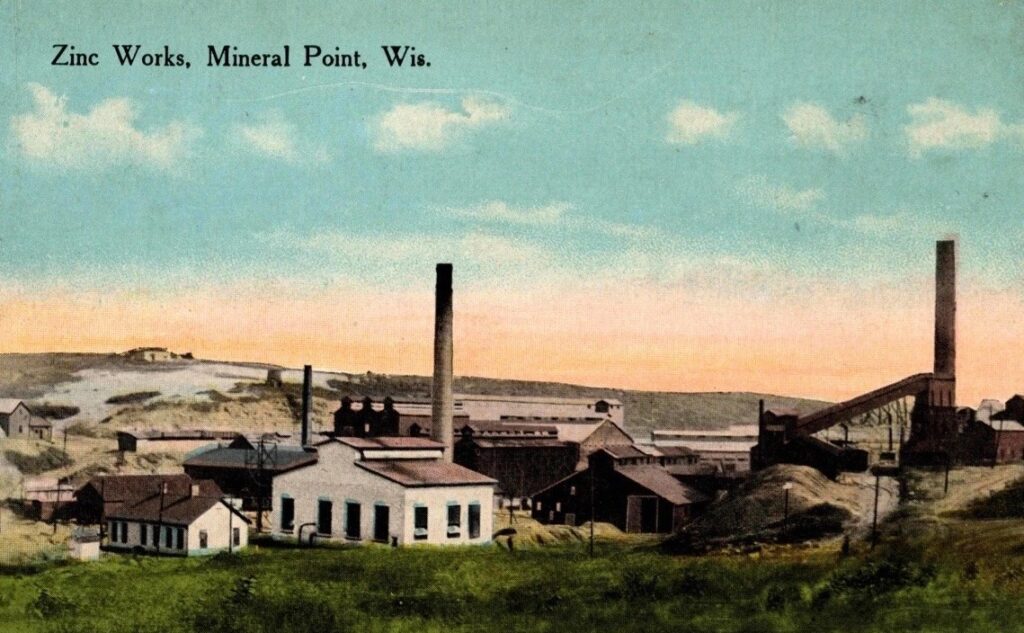
The Luxembourger settlements were larger around Mineral Point where the mines and foundries gave occupations to many.[7]
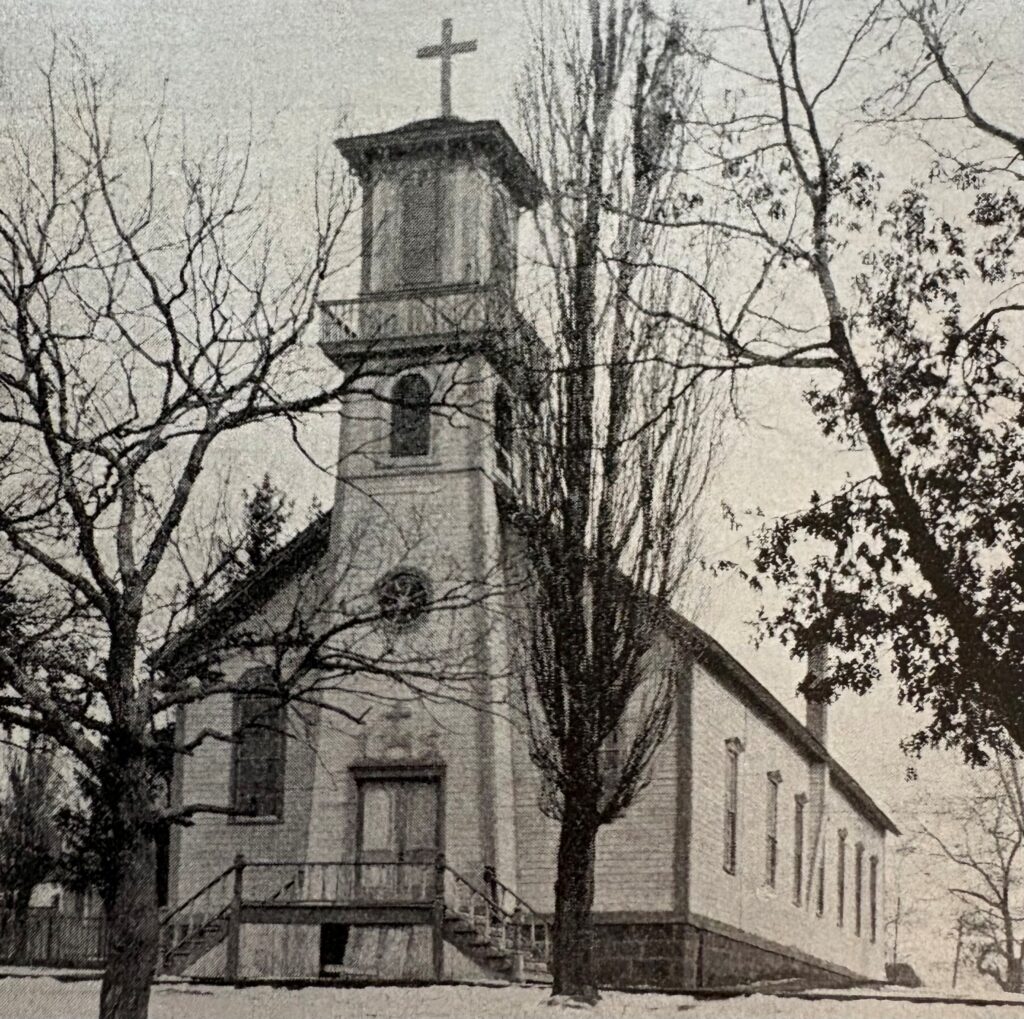
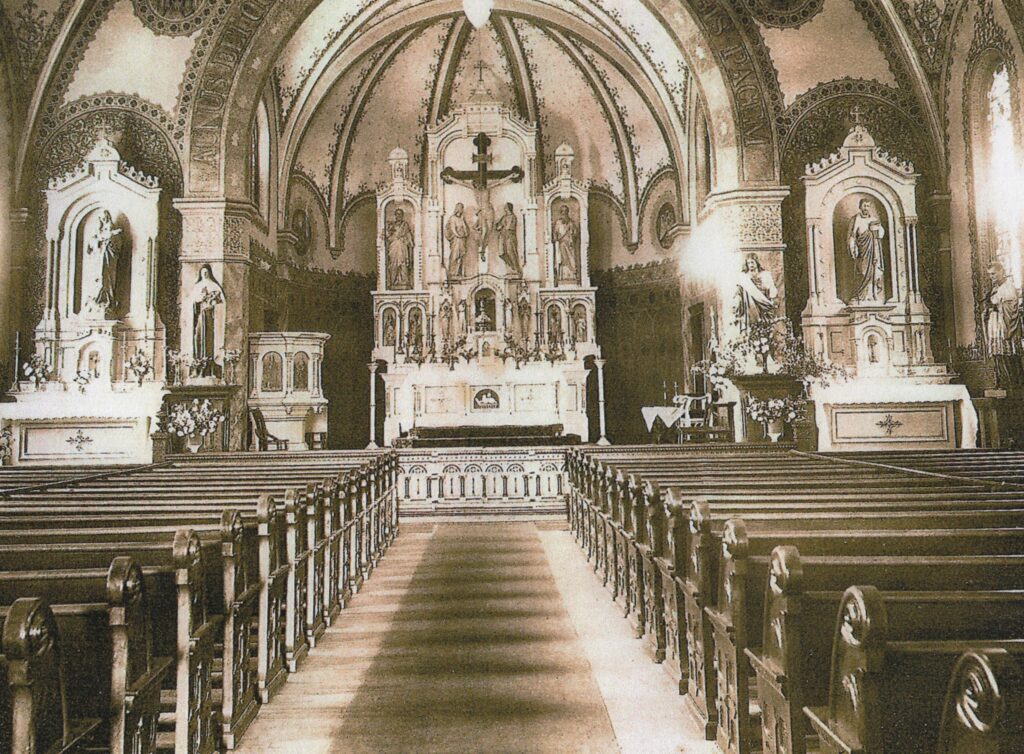
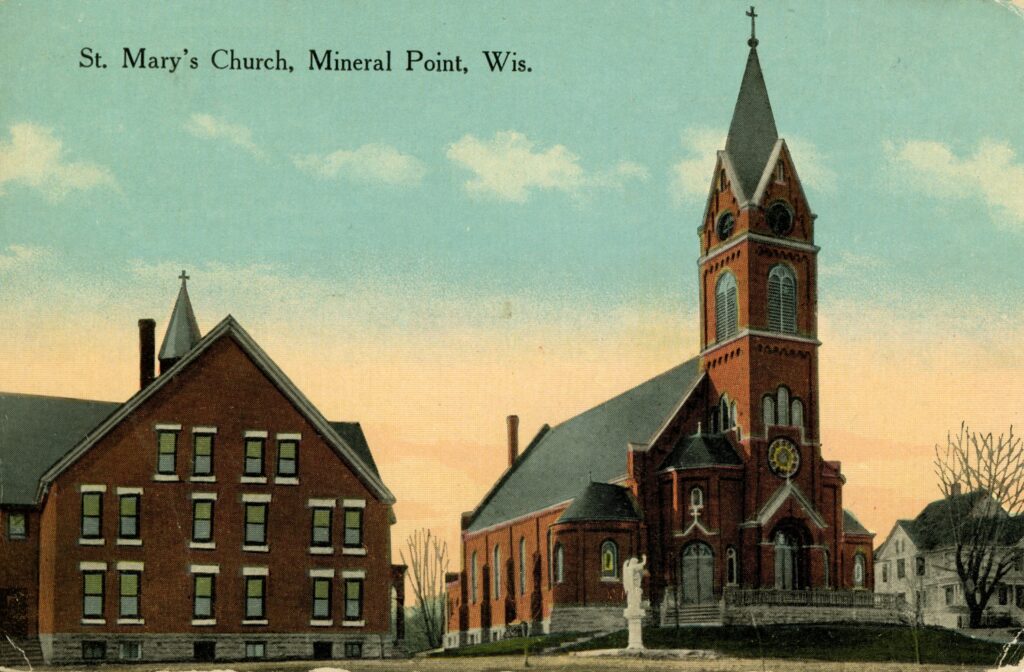
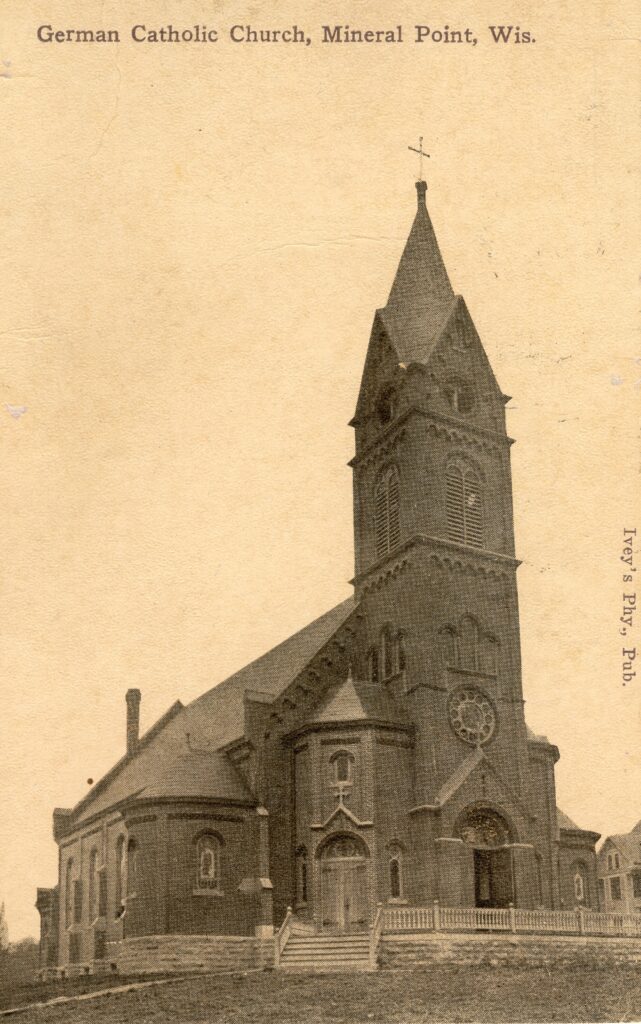
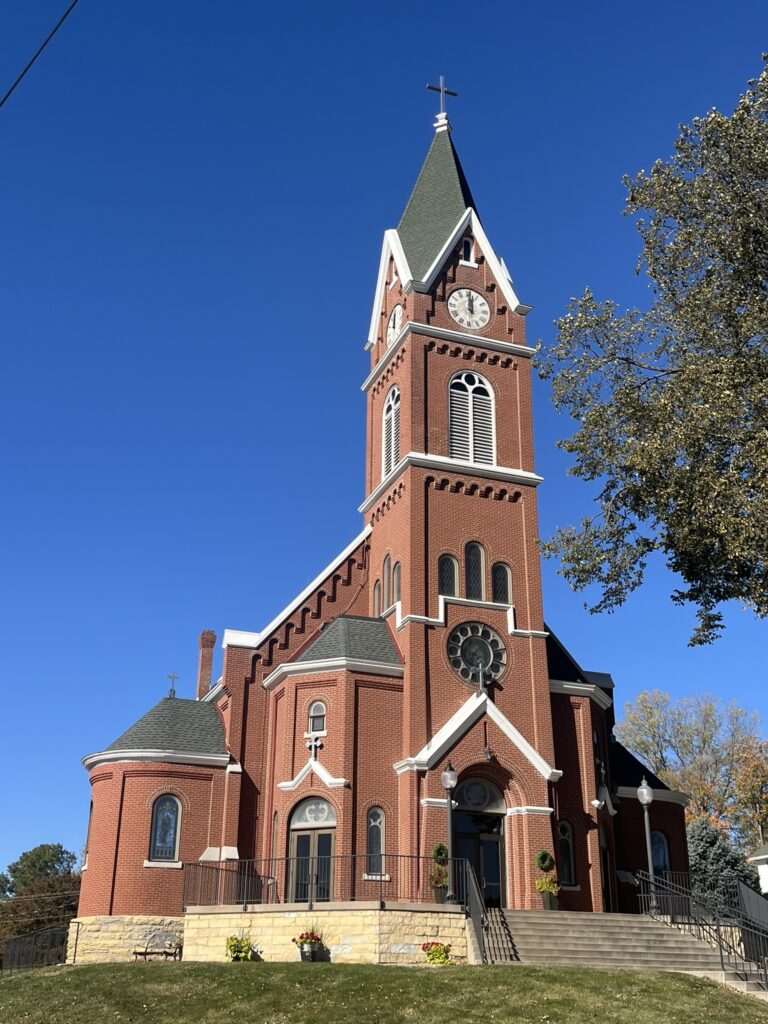
By 1901, St. Mary’s Congregation had 180 families and a membership of more than 900. Its Luxembourgers and Germans parishioners realized that their original church building was proving inadequate for the growing parish. In early 1901, they voted unanimously to build a new church, parochial school and rectory.[8] Within two weeks, the congregation collected $17,000 in cash and bank notes.[9] In July 1901, construction began on the new red-brick church built in the Romanesque style with a 120-foot spire and seating capacity for 500.[10] The cornerstone was laid on July 24, 1901, and within six months the building was completed at a cost of $22,000 and dedicated on December 17, 1901. Also built was a new rectory at a cost of $5,000.[11]
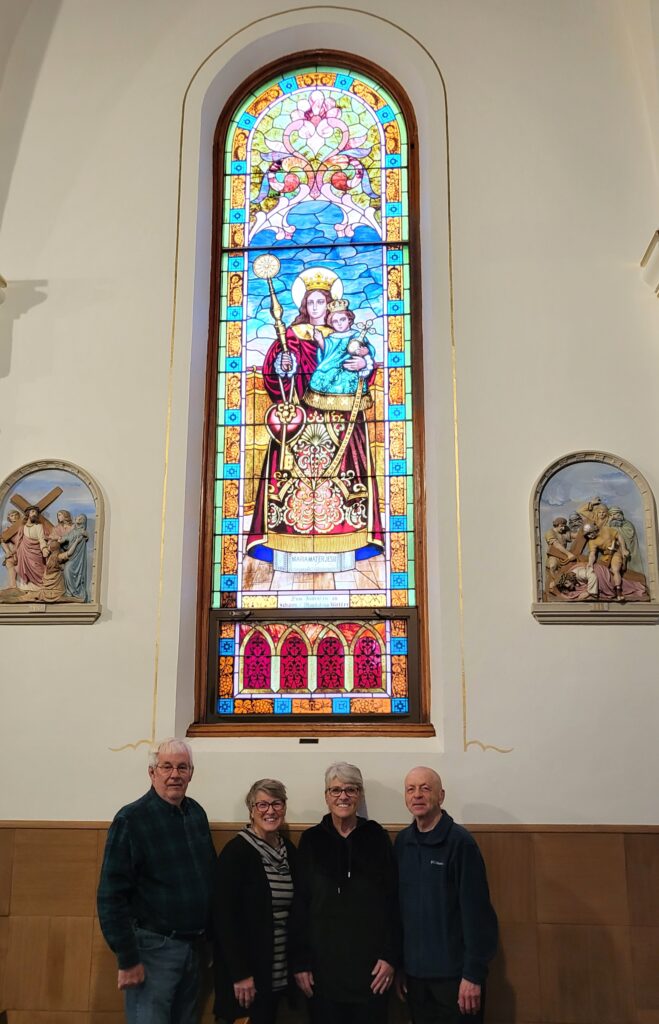
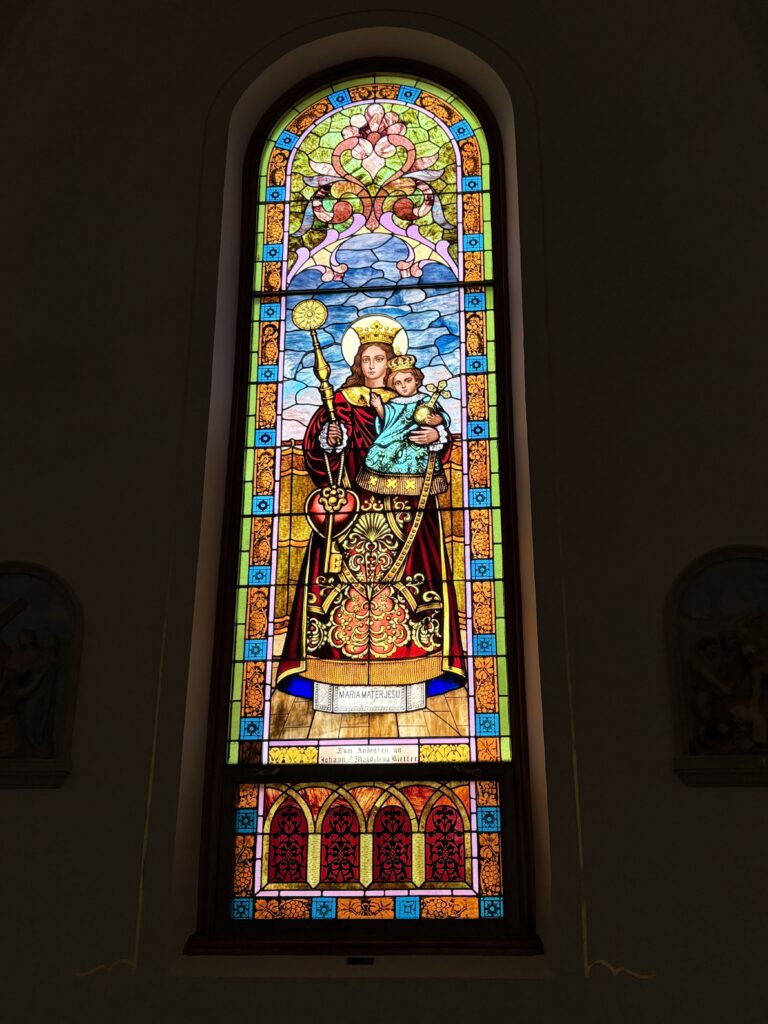
Through donations from parishioners, stained glass windows featuring saints and other sacred images were purchased from the Milwaukee Mirror and Art Glassworks Company of Milwaukee, Wisconsin, for $1,275.[12] One of the windows representing the Luxembourg heritage of the parish is an image of Our Lady of Luxembourg, donated by parishioners John P. Kieffer Sr. and Magdalene (Schmit) Kieffer, Luxembourg immigrants and early members of St. Mary’s. Their names appear at the bottom of the windows. The Kieffer’s sons John and Nicholas served as members of the building committee for the new church.
John P. Kieffer Sr., born in Gostingen, Luxembourg, on April 29, 1839, married Magdalene Schmit on December 15, 1863, in Flaxweiler, Luxembourg. Magadalena was born December 10, 1840, in Ellange, Luxembourg. Three of their children were born in Gostingen. In 1871, the couple immigrated to America with their two surviving children and settled in Mineral Point where, according to the 1880 US Federal Census, John operated a retail liquor store on High Street.[13] Family tradition holds that the Kieffers owned several saloons in Mineral Point that catered to the local miners. After nine years, the Kieffers sold their saloon business and purchased a farm two miles west in the Town of Linden.[14] They had an additional nine children in Mineral Point and celebrated their 50th wedding anniversary on December 16, 1913.[15]
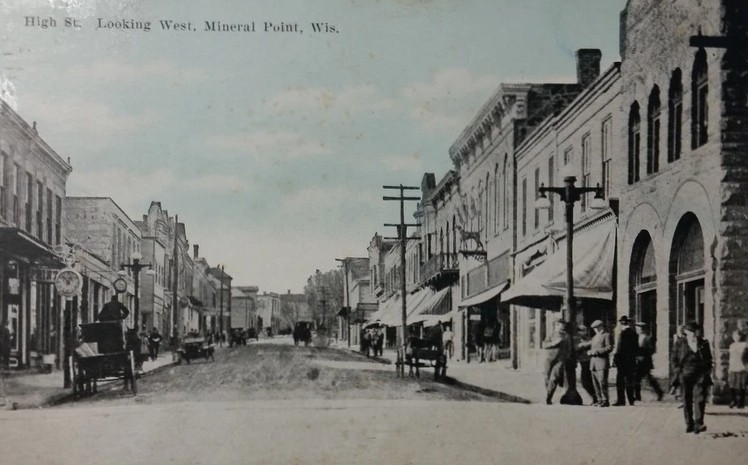
The Kieffers eventually retired to the City of Mineral Point and lived on Washington Street. Magdalene died there on February 24, 1918, and John died three weeks later on March 16, 1918. They are buried in St. Mary’s Cemetery. Little else is known of their lives except that both of their obituaries said that they were devoted members of St. Mary’s Church.
The generosity of the Luxembourg members of the parish can also be seen in other stained-glass windows in St. Mary’s church donated by the Rev. Mathias Ternes (Sacred Heart window), Nicholas and Maria Kieffer (Immaculate Heart window), John and Barbara DeMuth (St. John the Evangelist window) and the family of John Kieffer Sr. (Coronation of Mary window). The statue of the Blessed Virgin Mary in the church was donated by Luxembourgers Nicholas and Anna May.
While St. Mary’s has been extensively remodeled many times over the years, the stained-glass window of Our Lady of Luxembourg continues to beautify the church and serves as a reminder of the prominent role Luxembourgers played in the formation and history of the parish.
St. Mary’s Church also added a clock to their bell tower in 1914. As was typical in that day, the clocks were often donated by the residents of the community, including non-Catholics. The same was true for the St. Mary’s clock. According to the “Mineral Point Weekly Tribune,” (November 5, 1914, page 1):
The obtaining of this clock was made possible through the enthusiastic cooperation and generous contributions of our businessmen, other prominent citizens and the indefatigable work of the pastor of the church. The clock was manufactured by M. Schwalbach & Sons of Milwaukee and is an addition to our town of which every citizen can justly be proud.
In 1996, the Irish-founded parish of St. Paul’s merged with St. Mary’s to form Sts. Mary & Paul Parish. St. Paul’s Church was eventually sold to a Lutheran congregation and St. Mary’s Church is now the worship site for the combined parish.[16]
A walk through St. Mary’s Cemetery reveals the names of the Luxembourgish families who made this region their home, however, Luxembourgish immigrants and their descendants are also buried in nearby St. Patrick’s/Calvary Cemetery in Waldwick Township near Hollandale, St. Joseph’s Cemetery in Dodgeville and Holy Rosary Cemetery in Darlington.
Luxembourg Legacy has been honored to work with many dual citizenship clients who have ancestral roots in Mineral Point and Iowa County, several of whom participated in Luxembourg Legacy tours of the Grand Duchy. We at Luxembourg Legacy are proud to share the untold story of their ancestors as the Luxembourgers of Mineral Point played their own significant role in history of Luxembourgers in America.
Luxembourg Immigrants of Mineral Point
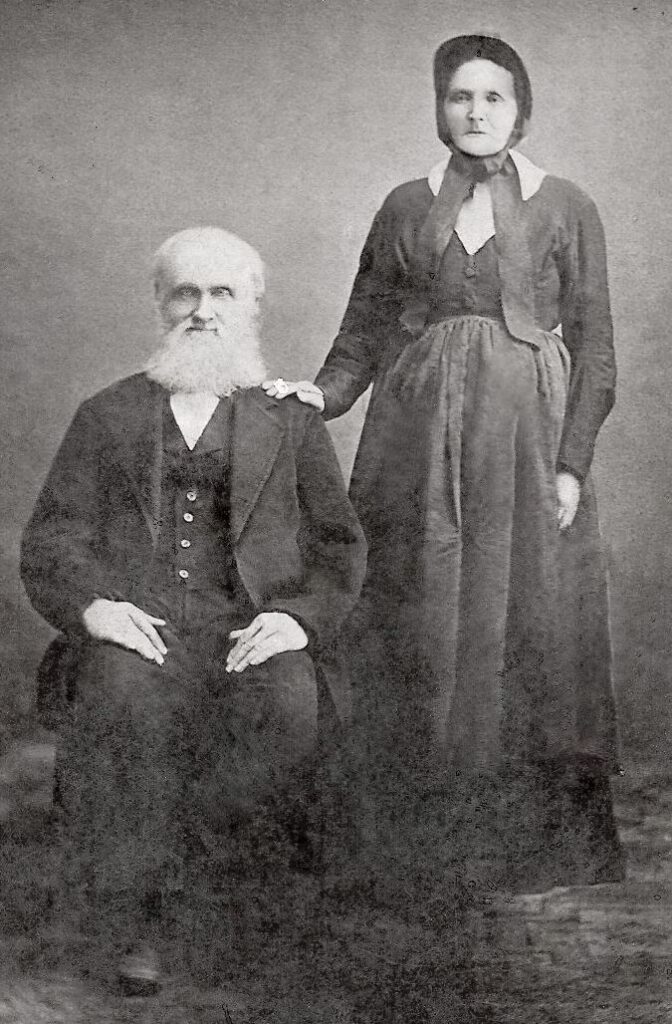
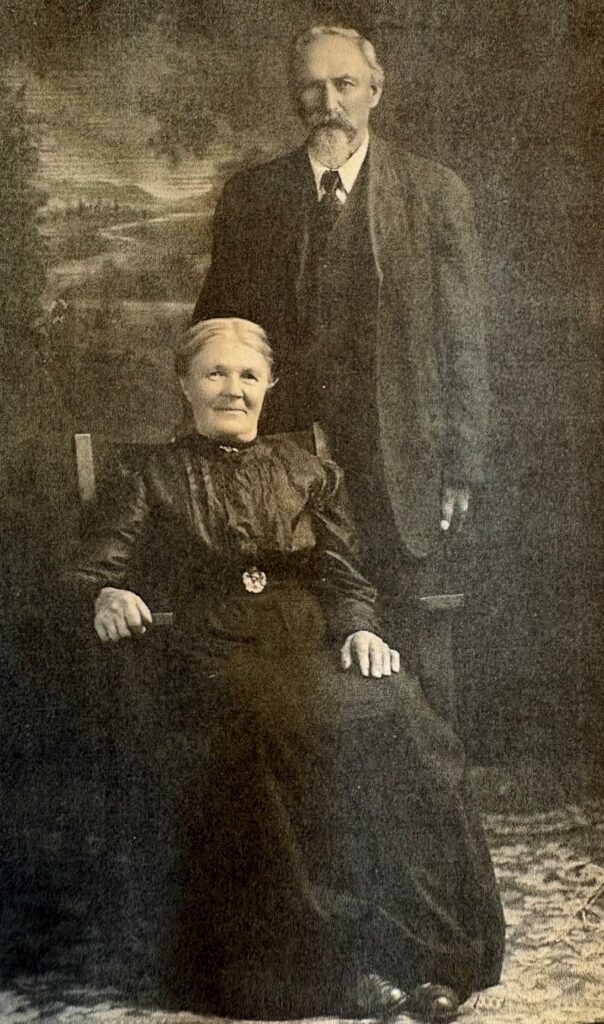
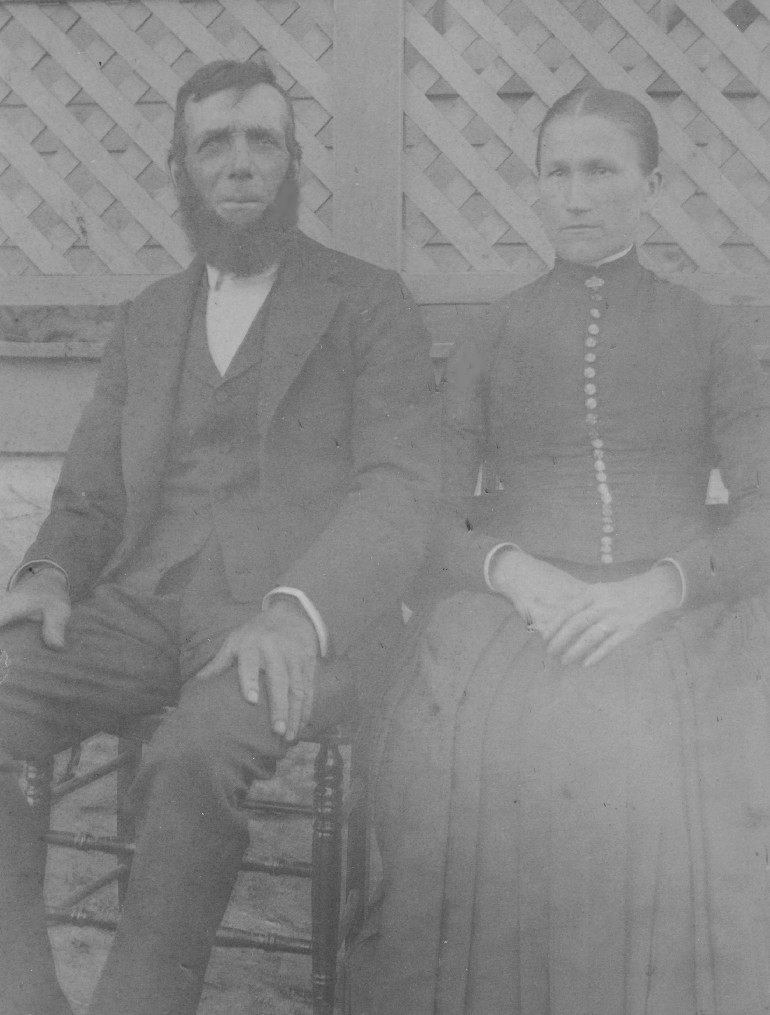
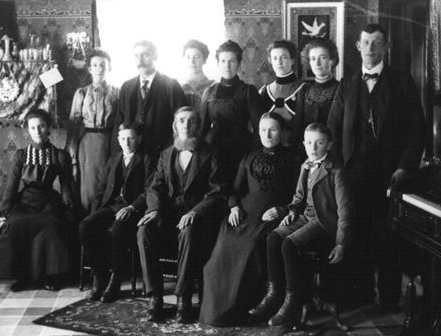
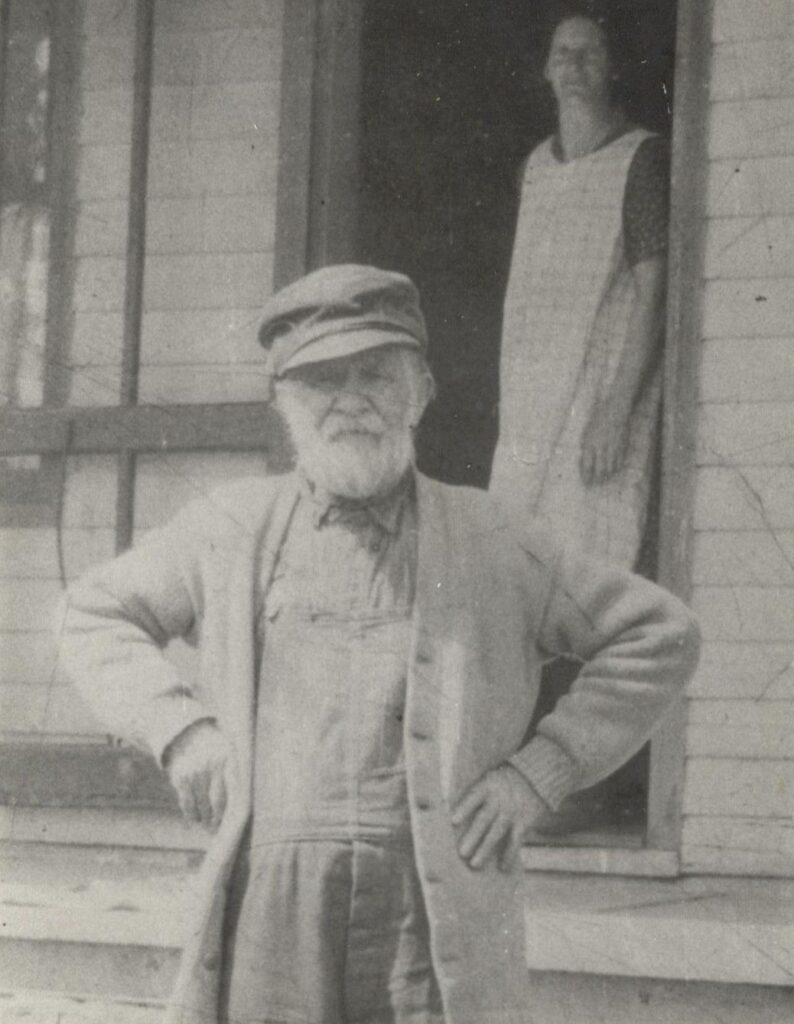
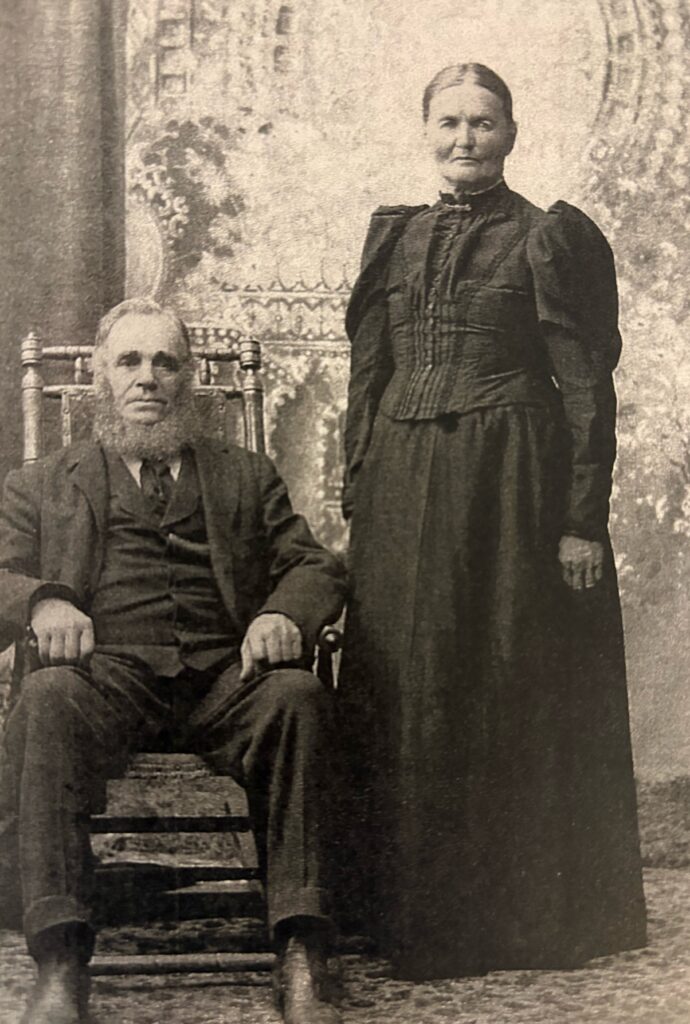
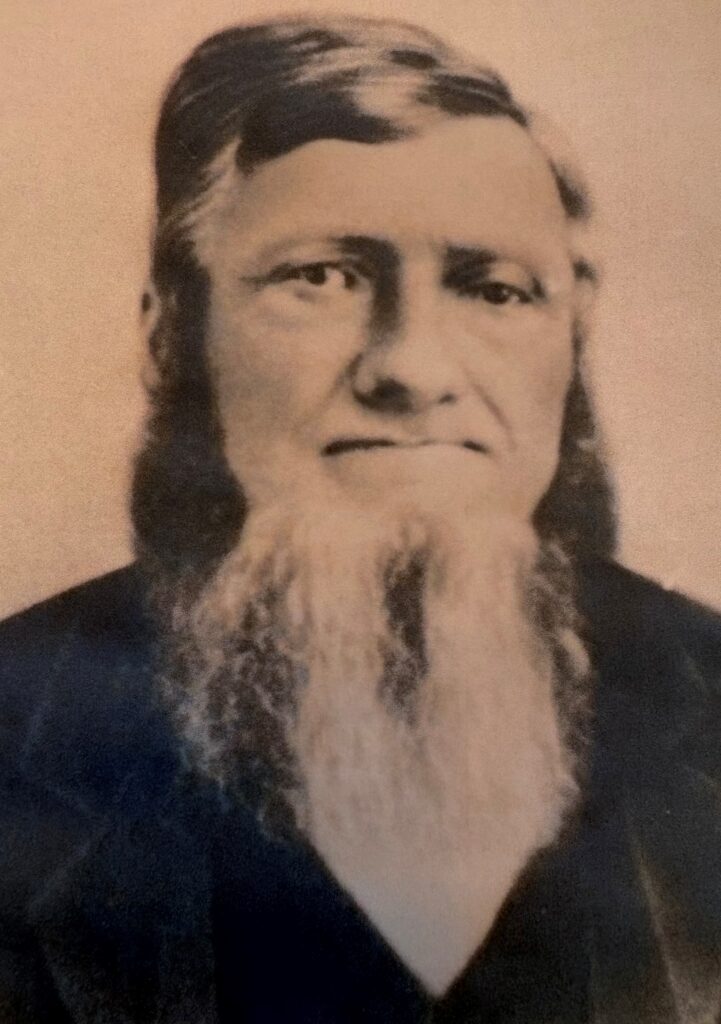
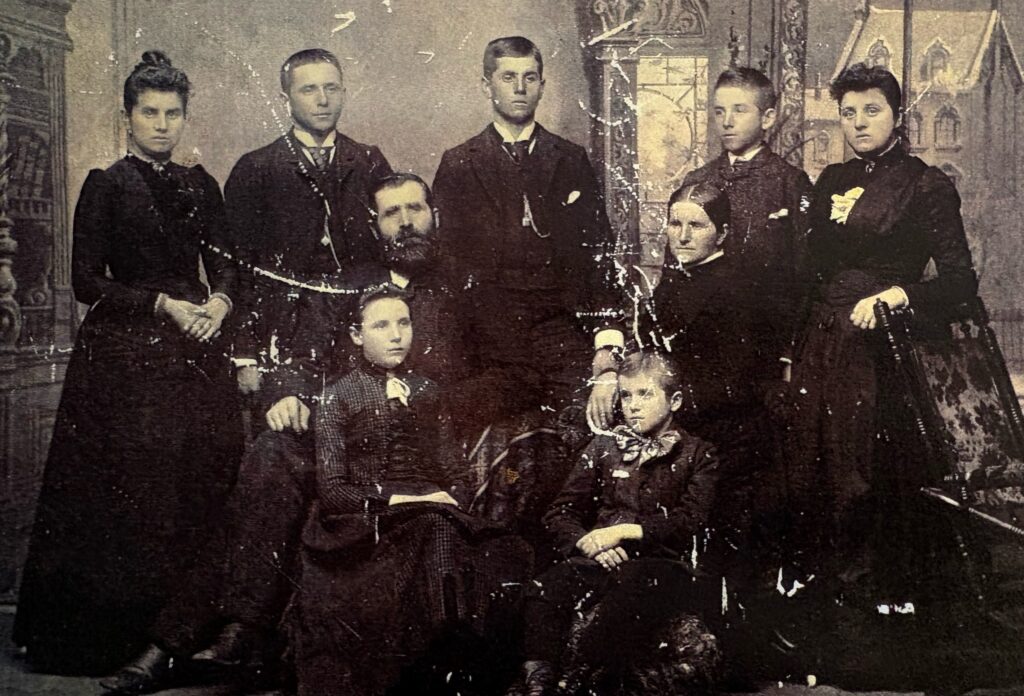
Back L-R: Anna (May) Demuth, Peter May, John May, Matt May, Barbara (May) Demuth; Middle L-R: Mathias May and Anna (Steffes) May; Front L-R: Elizabeth (May) Demuth Steil, Nicholas May, of Wormeldange and Beyren, Luxembourg.
Check out these Luxembourg Legacy videos about Mineral Point, Wisconsin:
Exterior of St. Mary’s Church, Mineral Point
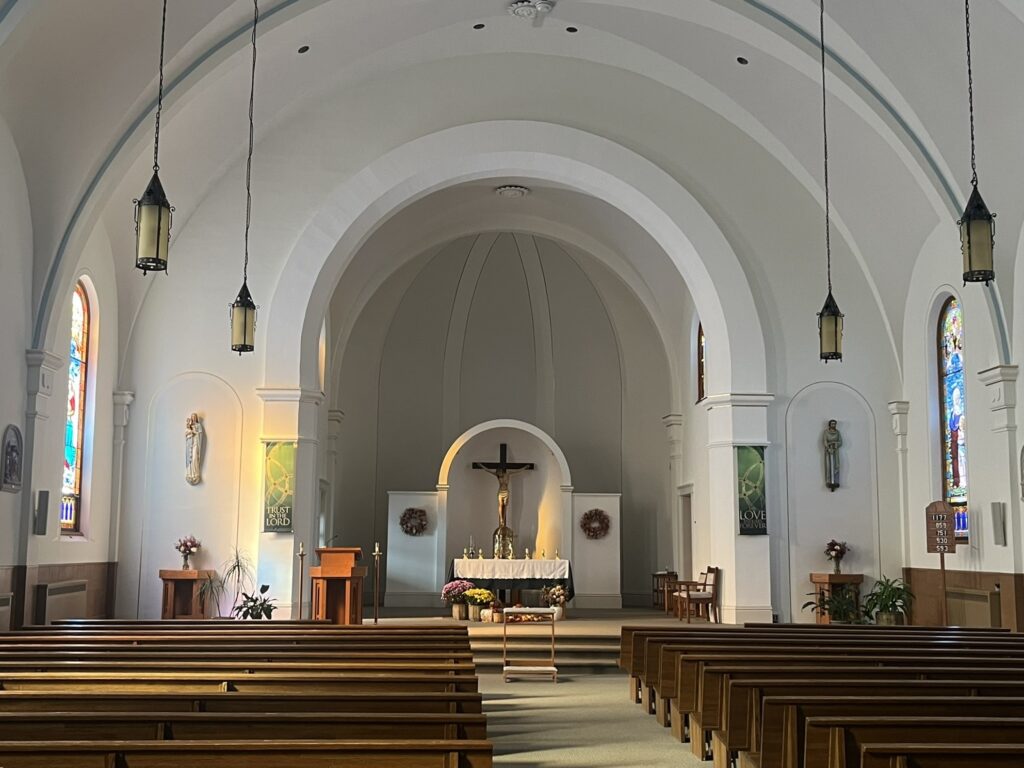
Interior of St. Mary’s Church, Mineral Point
Stained-glass window of Our Lady of Luxembourg in St. Mary’s Church
St. Mary’s Cemetery, Mineral Point
Interview with 98-year-old Lucille May, Matriarch of Luxembourgers in Mineral Point
Interview with Ellen Demuth Sandow with roots in Mineral Point
If you have Luxembourgish family roots in Mineral Point or Iowa County, Wisconsin, please send your family stories and photos to mary@luxembourglegacy.com and we’ll share them in next month’s edition of Lion Tales.
[1],Congregation of St. Mary’s/St. Paul’s – 150th Anniversary Celebration booklet, 1993, self-published, 4.
[2] Ibid, 4.
[3]Unannotated newspaper clipping – St. Mary’s Parish Centennial, 1870, Mineral Point Library Archives.
[4] Congregation of St. Mary’s/St. Paul’s – 150th Anniversary Celebration booklet, 5.
[5] Ibid, 8.
[6] Ibid, 8.
[7] Luxembourgers in the New World, a 1987 reedition based on the work of Nicholas Gonner Die Luxemburger in der Neuen Welt, Dubuque, Iowa, 1889, 145.
[8] Congregation of St. Mary’s/St. Paul’s – 150th Anniversary Celebration booklet, 8.
[9] Iowa County Democrat, Mineral Point, Wisconsin, March 20, 1902, 4.
[10] Ibid, 4.
[11] Iowa County Democrat, Mineral Point, Wisconsin, December 19, 1901, 1.
[12] Iowa County Democrat, March 20, 1902, 4.
[13] 1880 US Federal Census
[14] Mineral Point Tribune, Obituary for Mrs. John P. Kieffer, Sr., Mineral Point, Wisconsin, February 28, 1918.
[15] Mineral Point Weekly Tribune, Mineral Point, Wisconsin, December 18, 1913, 8.
[16] Unidentified newspaper article, May 9, 1996, from Mineral Point Public Library Archives.
Thank you Kevin for this fantastic article on Mineral Point. My dad was born and raised in Mineral Point and I have a lifetime appreciation for my Luxembourg roots. I am also immensely proud, to know and cherish Lucille and Marcia May and Eileen DeMuth Sandow as relatives!
My dad’s family were both from Luxembourg. I have dual citizenship. My dad only spoke German until first grade at St Mary. My mom’s family belonged to St Paul’s.