By Steve Frank
Editor’s note: Steve Frank, of Tiffin, Ohio, is an authority on Luxembourg and Belgic-Luxembourg immigration to Seneca County, Ohio. In this article, he explains the three historic partitions of Luxembourg as well as who can be considered Belgic-Luxembourgers. He also discusses how the traditional language division in the Province of Luxembourg in Belgium impacted people’s ethnic identity. Luxembourg Legacy is grateful to Steve for sharing his research and insights on Ohio Luxembourgers.
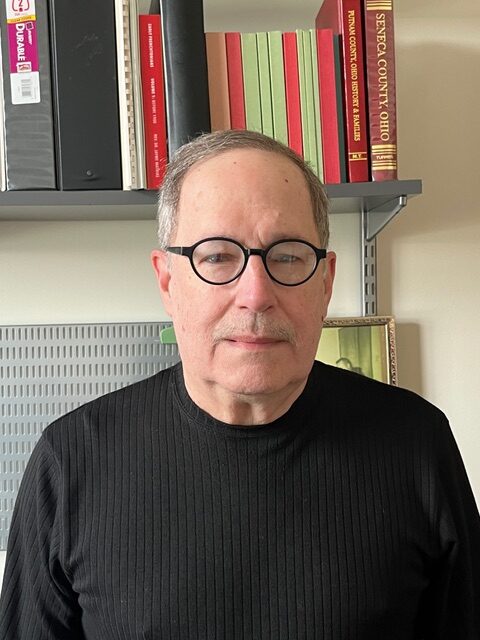
Steve Frank, of Tiffin, Ohio
Introduction
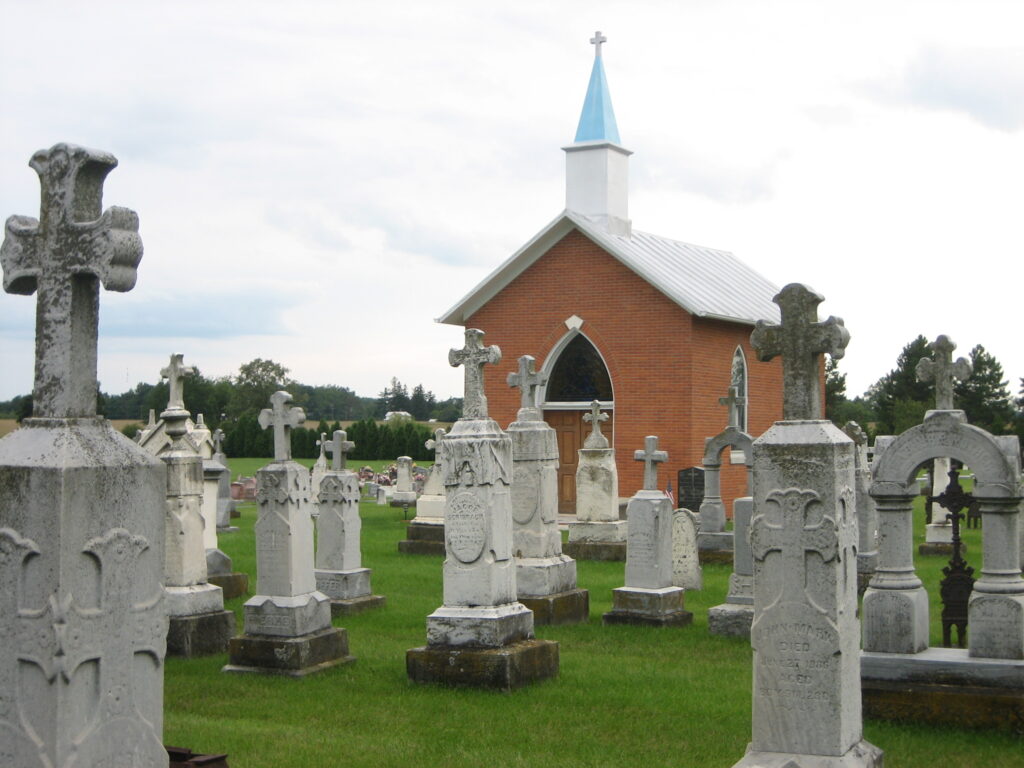
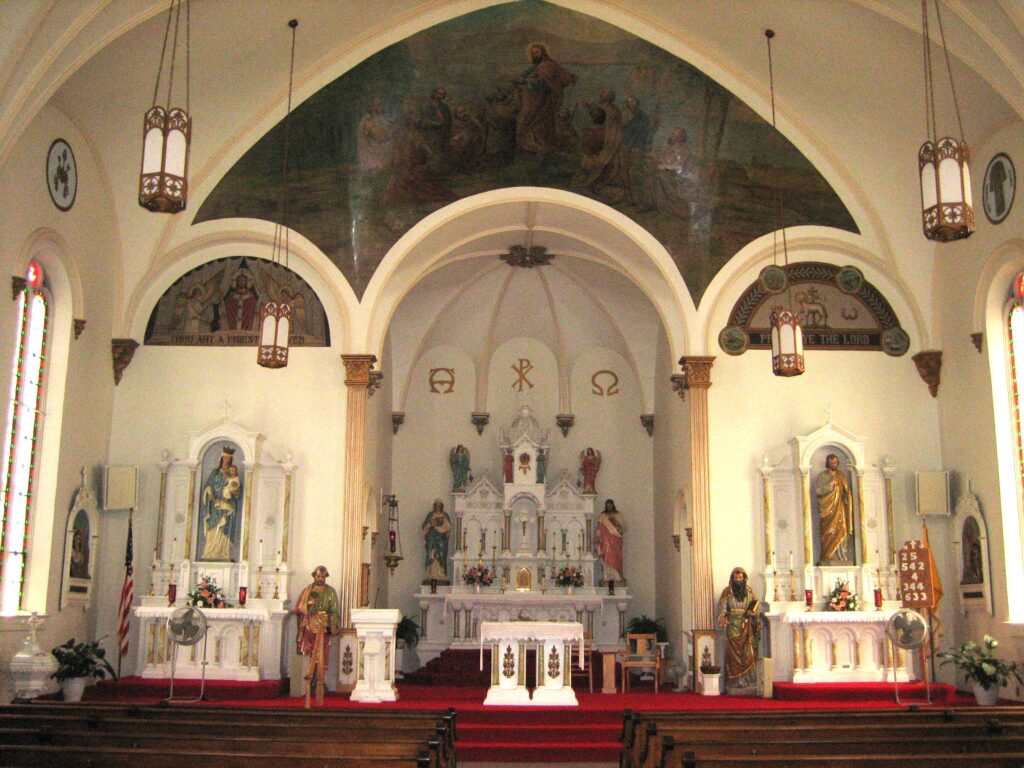
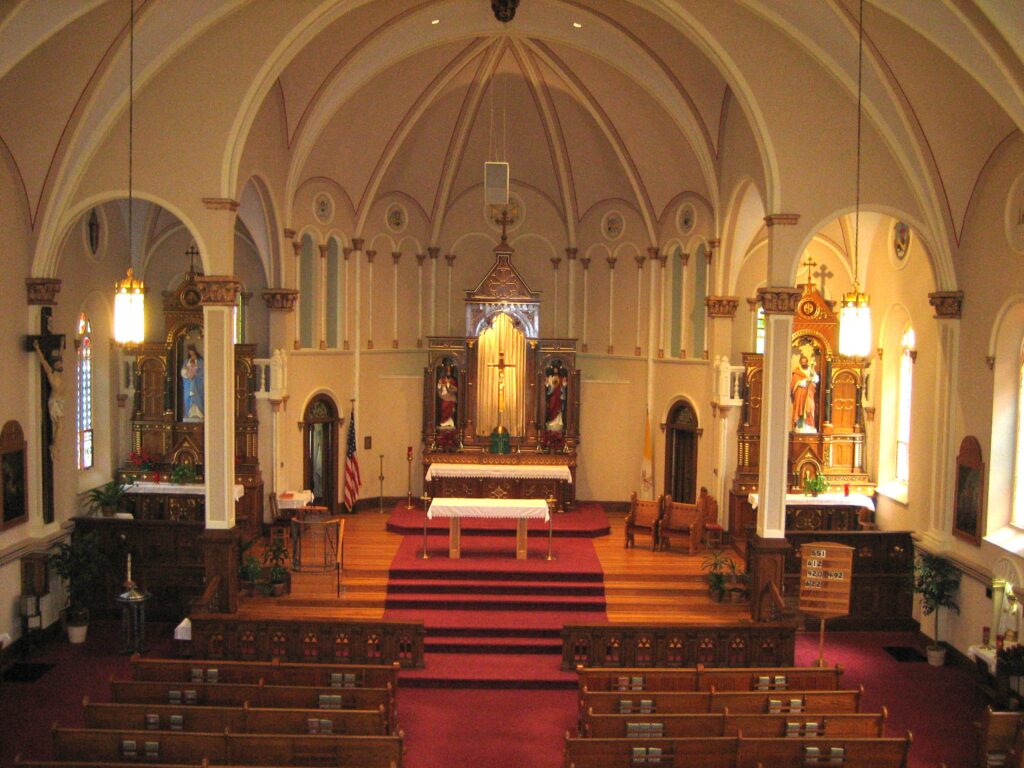
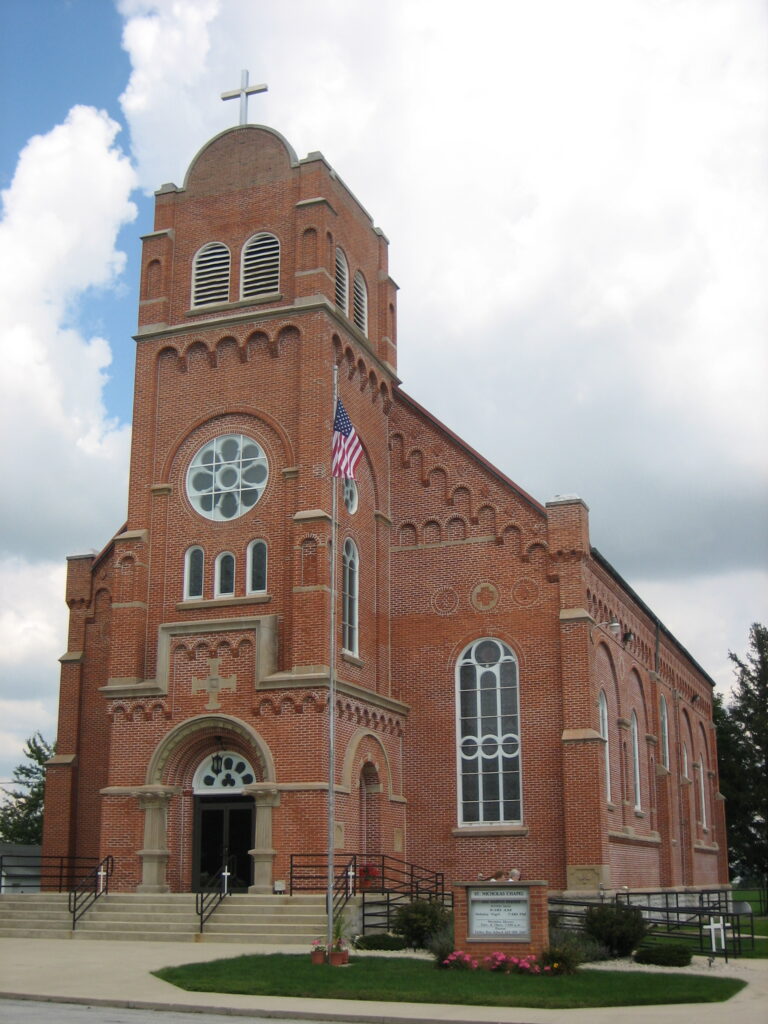
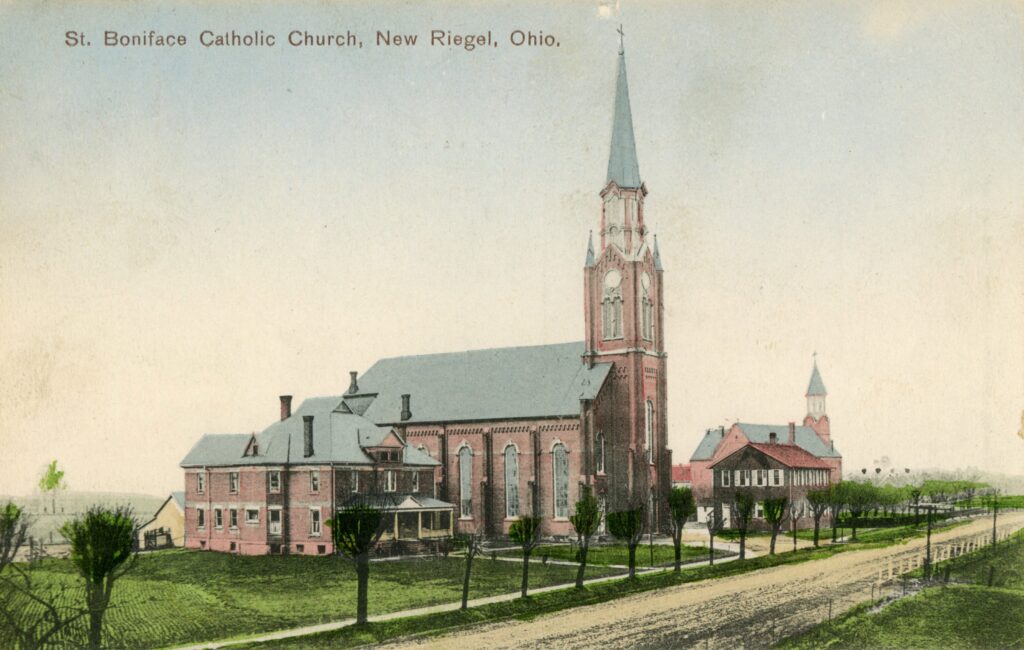
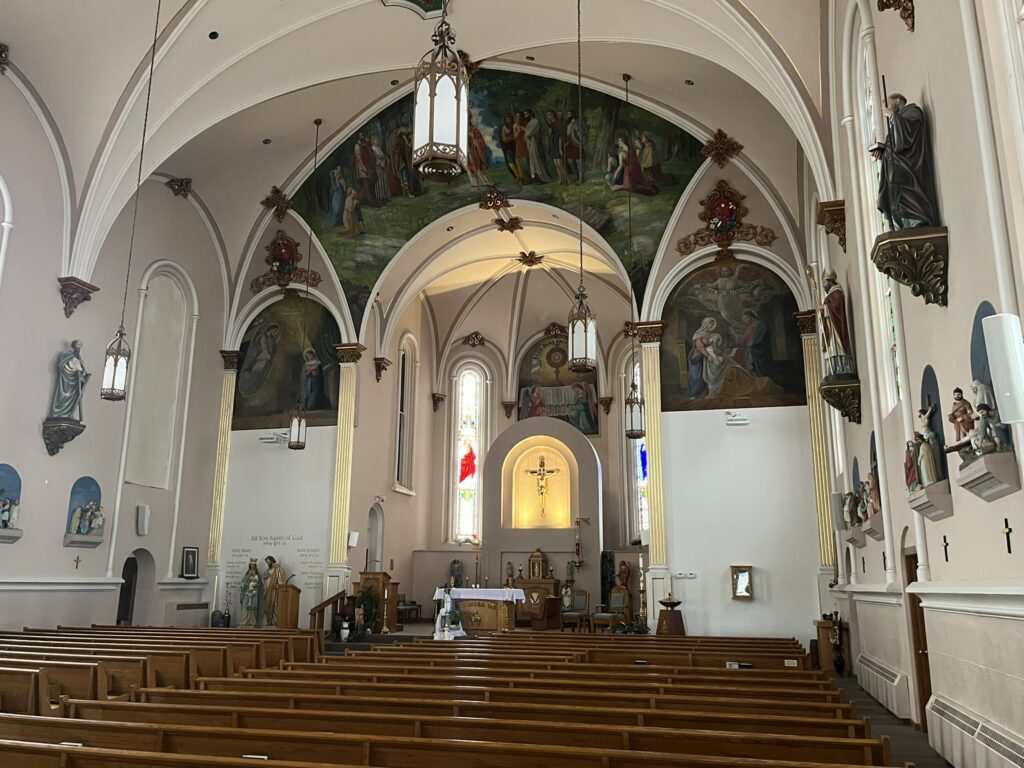
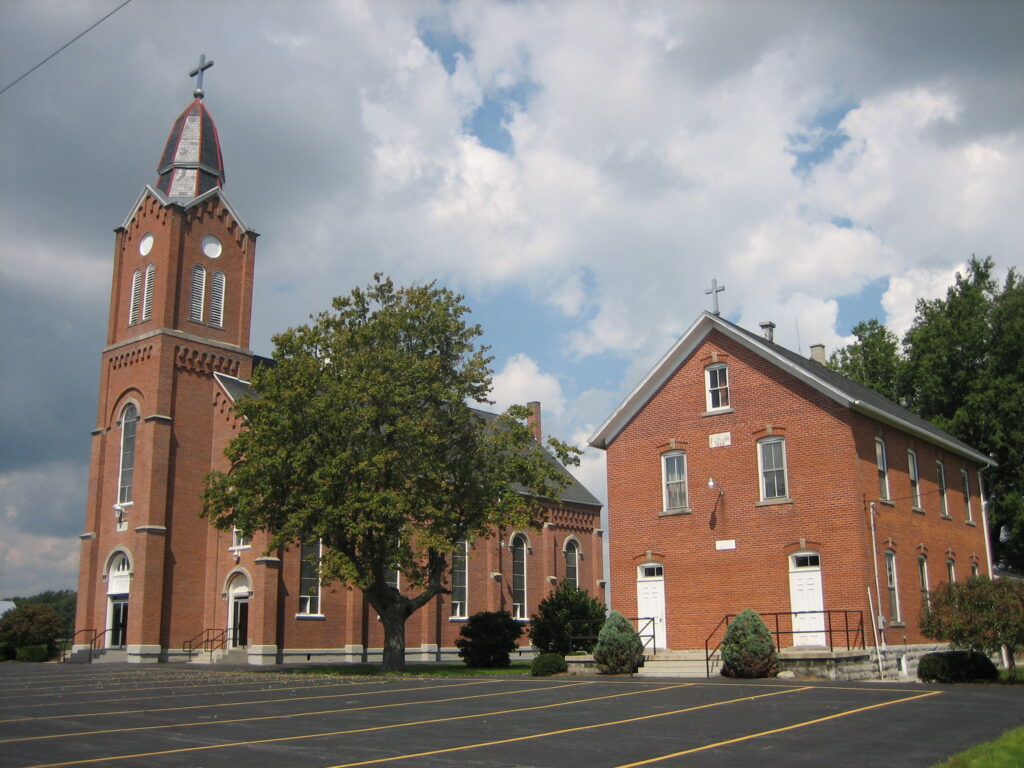
The geographical area presented in this article focuses primarily on Seneca County, Ohio, home to many Luxembourgers and Belgic-Luxembourgers. However, some of these immigrants settled in areas slightly beyond Seneca County including the communities of Fostoria, Findlay, Carey and Kirby. Also, my research of online church records included the Catholic parishes of St. Nicholas in Frenchtown, St. Peter in Alvada, and St. Boniface in New Riegel. Some of these church members also lived slightly beyond Seneca County.
Partition of Luxembourg
To understand the Luxembourgers and Belgic-Luxembourgers in Seneca County, one must understand the three historic partitions of Luxembourg. Below is a map showing how Luxembourg has been partitioned over the last 350+ years.[1]

The three partitions of Luxembourg reduced Luxembourg’s area by over one half, to the advantage of the three neighboring countries, France, Germany and Belgium:
Outlined in red: Original borders of the Duchy of Luxembourg before 1659
Shaded in teal: Lost to France by the Treaty of the Pyrenees in 1659
Shaded in blue: Lost to Prussia by the Congress of Vienna in 1815
Shaded in yellow: Lost to Belgium by the Treaty of London in 1839
Shaded in salmon: Luxembourg after 1839
Numerous Luxembourgers who later immigrated to Seneca County were impacted by the Treaty of London in 1839, which created the Province of Luxembourg in Belgium. Prior to the treaty, they were Luxembourgers. Following the treaty, they were Belgians or more precisely, Belgic-Luxembourgers.
Some of the 19th century immigrants to Seneca County came from what today is the Grand Duchy of Luxembourg and others were from the Province of Luxembourg in Belgium formed in 1839. In this article, those coming from the Grand Duchy of Luxembourg will be identified as Luxembourgers and those coming from the Province of Luxembourg in Belgium will be identified as Belgic-Luxembourgers.
Language Map of Luxembourg Province of Belgium[2]

Language division in the Province of Luxembourg in Belgium
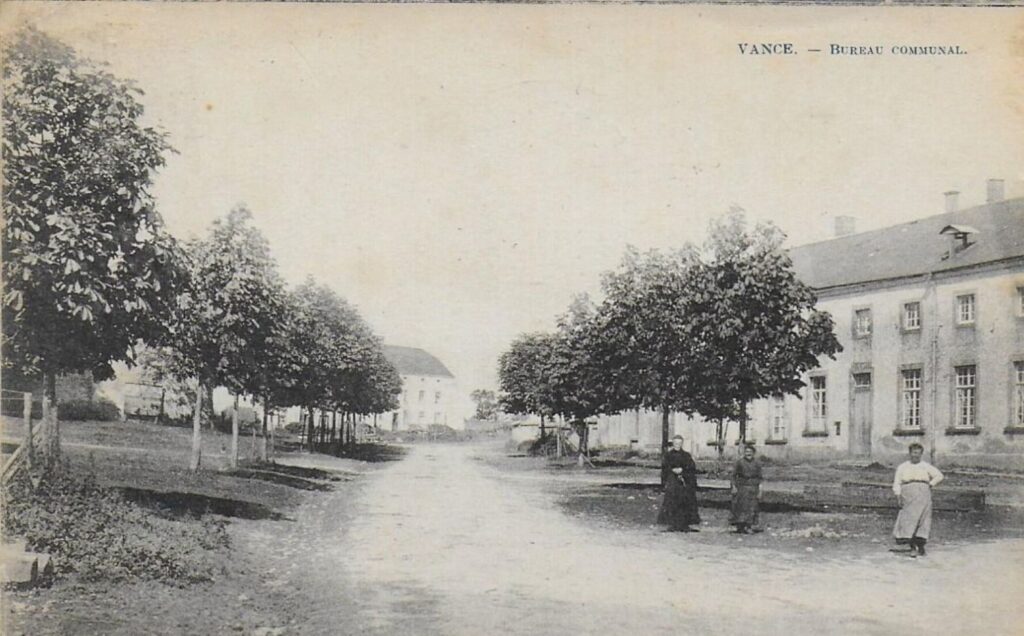
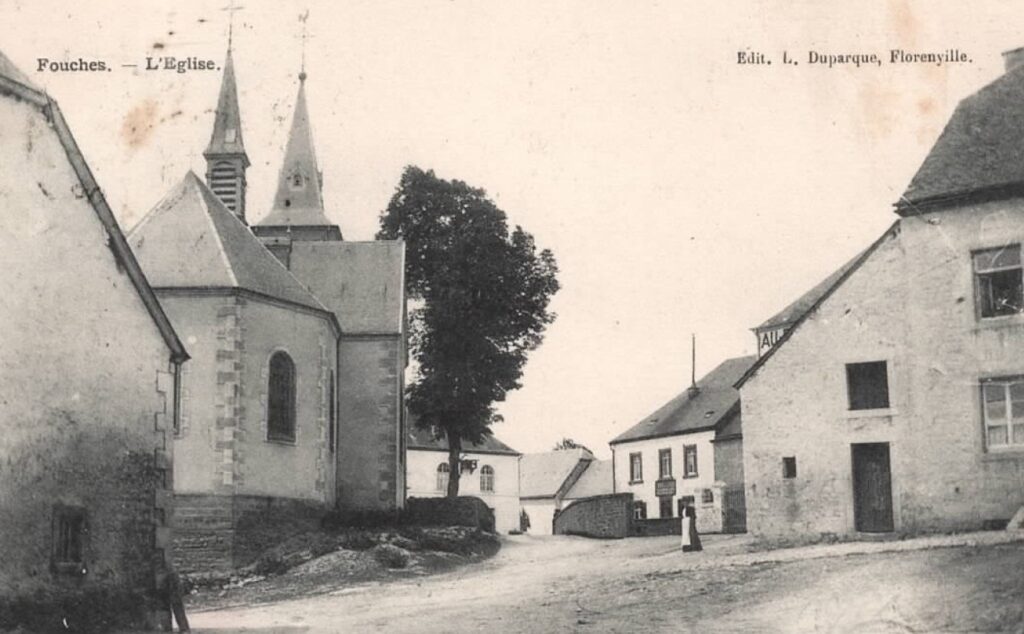
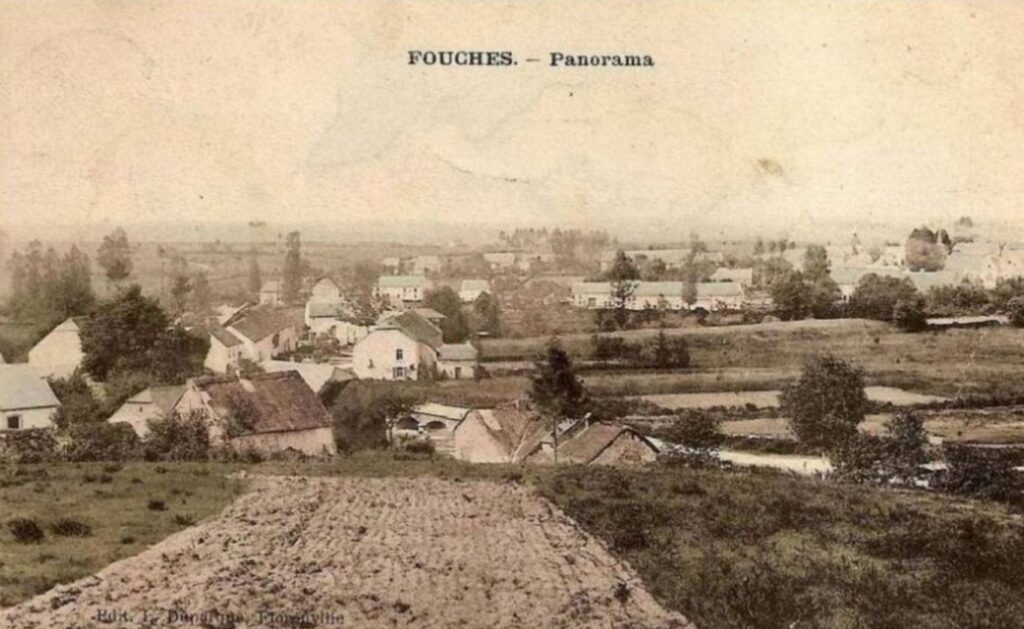
In my opinion, the most crucial element to understand Seneca County’s Belgic-Luxembourg immigration is this map showing the linguistic divide between the villages of Vance and Fouches in the Province of Luxembourg in Belgium (see dotted line on the right side of map and the Villages of Vance and Fouches). Those Belgic-Luxembourgers residing in villages on the right side of the dotted line spoke Luxembourgish and German. On the left side of the line, people spoke French. Those living in villages straddling the linguistic line often learned all three languages to be able to conduct business and personal matters.
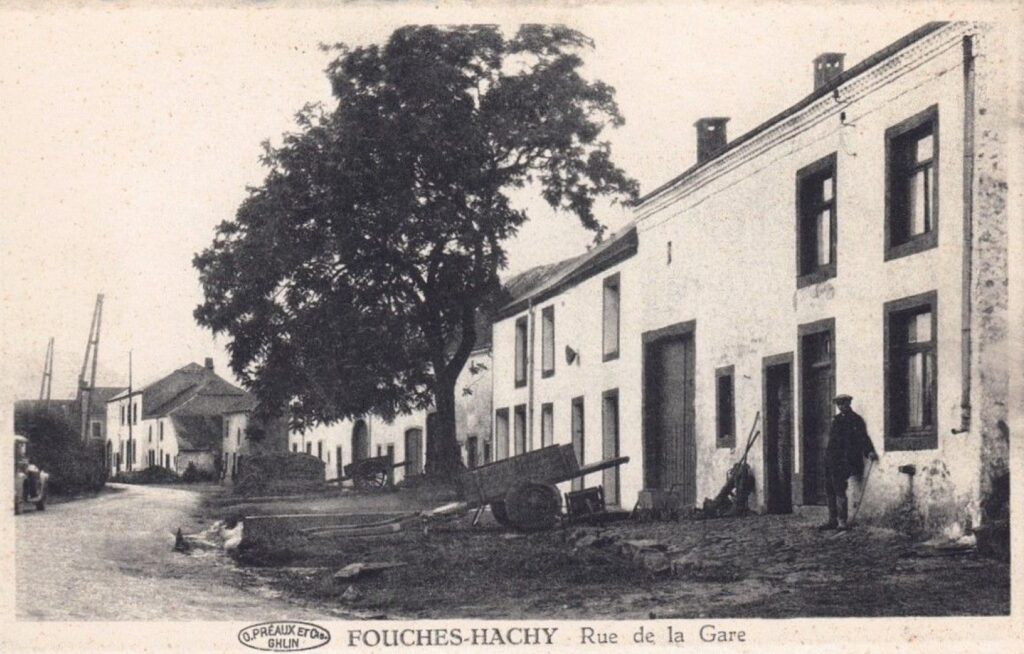
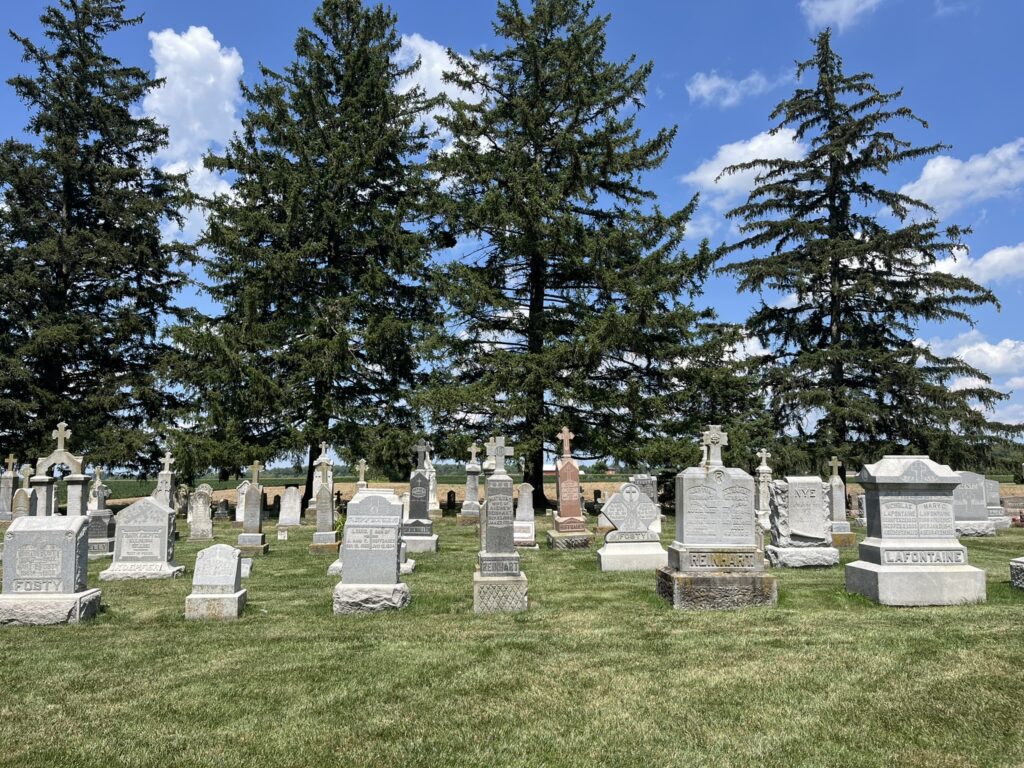
Among Seneca County’s Belgic-Luxembourg immigrants, at least 10 families had ties to the French-speaking village of Vance: Bakies, Dietrich, Fosty, Genin, Guillaume, Lafontaine, Mangin, Nepper, Pethe and Warnement. Other Seneca County Belgic-Luxembourgers lived immediately on the other side of the linguistic divide in the Luxembourgish/German-speaking villages of Fouches, Hachy and Sampont, including the Bouillon, Theis, Mathias, Frankart, Lucius, Kauffman, George and Kin(n) families. Many Seneca County Belgic-Luxembourg families straddled this linguistic line.
Confusion over Luxembourgish heritage in Seneca County
Some people living in Seneca County, Ohio, today are confused about their Luxembourgish heritage. We have done an inadequate job communicating with the rest of the country and the world the degree to which Luxembourgish heritage has impacted this region.
There are two primary reasons. First, there is a tendency to describe villages and parishes by only one nationality. There are several examples of this in Seneca County. Frenchtown was referred to as the French parish. Alvada was the Luxembourgish parish and New Riegel was the German parish. Tiffin’s St. Mary Church was the Irish and Italian parish and Tiffin’s St. Joseph Church was the German parish. These simplistic, broad generalizations do not accurately describe the multiple nationalities of the communities and their parishes.
Second, people’s ethnicity was frequently and inaccurately associated with the language they spoke. If they spoke German, they were classified as being from Germany even though they were Luxembourgish. If they spoke French, they were classified as being from France even though they were from Belgium. Those who could speak more than one language were likely thought to be from Alsace-Lorraine.
In Seneca County, Ohio, many residents believed their ancestors were German, but in fact, their roots are Luxembourgish. I had never heard anything about Luxembourg for much of my life, but my maternal side is all Belgic-Luxembourger.
Previous research on Luxembourgish immigration to Seneca County, Ohio
Nicholas Gonner, the editor and publisher of the Luxemburger Gazette newspaper (1871-1918) and the 19th century authority on Luxembourgers in America, wrote about the underestimation of Luxembourgers in Ohio.[3] Gonner stated that Luxembourger immigration into Seneca County started in 1833. [4] “Michael Wagner, who died later in Minnesota, and Johann and Nicholas Feck of Heverdingen [known as Habergy in French and located in the Province of Luxembourg in Belgium] sought a home in the virgin forest near St. Nicholas, not far from Berwick [Frenchtown].”[5]
In his 1889 book, “Luxembourgers in the New World,” Gonner attempted to estimate the number of Luxembourgish families in Alvada, Frenchtown and New Riegel. Alvada had the nickname Nospelter Eck [Nospelt Corner] because of the number of settlers from Nospelt, Luxembourg].[6] Gonner estimated 37 Luxembourger families, 12 families of mixed background and six families of other German roots.[7] He described Frenchtown as having 50 French-speaking families, both French and Belgian.[8]
Of the 20 Luxembourger families of this parish, only three are from the Grand Duchy proper.[9] The rest were of other nationalities. Turning to New Riegel, Gonner reported 152 German and three Irish families in this parish.[10] Among the Germans, he broke out 60 Luxembourger households, five or six of which originated in the Luxembourgish/German-speaking part of the Province of Luxembourg in Belgium.[11]
The Rev. Jean Ducat, a well-known 20th-century Belgian priest and researcher of Belgians in America, wrote about Seneca County in his book “Arlonais Fondateurs de Belgium-Wisconsin.” Although a few of the Luxembourger immigrants came in the early 1830s, Ducat described them as Belgians even though the Treaty of London did not take place until 1839.[12] He also talked about the role of the immigrant Jean-Jacques Lafontaine as a trapper and scout in Seneca County, Ohio, in 1836.[13]
In 1985, Allen Huelskamp, a New Riegel historian, wrote the book “Wooden Chalices, Golden Priests, and Golden Hearts… A History of St. Boniface Church Parish New Riegel Ohio” for the sesquicentennial of the parish. Allen’s groundbreaking work included a section entitled “From Whence They Came,”[14] where he listed surnames and villages from which the immigrants originated in Germany, the Province of Luxembourg in Belgium and today’s Grand-Duchy of Luxembourg, as well as France and Switzerland. For his research, Huelskamp used county histories, family records, gravestone inscriptions, census records and civil and church records.
My research of Luxembourgers and Belgic-Luxembourgers in Seneca County
A few years ago, I conducted a review of available church records online at familysearch.org. [15] [16] [17] I developed some conclusions about the makeup of the Luxembourg population in Alvada, Frenchtown, and New Riegel in Seneca County. The study involved viewing the earliest available baptism and marriage records for the parishes of Frenchtown, New Riegel, and Alvada. Then, I traced back the individuals in the sacramental records to their country of origin using available genealogical resources. I focused primarily on five areas: 1. Grand Duchy of Luxembourg, 2. Province of Luxembourg in Belgium (linguistically Luxembourgish/German), 3. Province of Luxembourg in Belgium (linguistically French), 4. Germany and 5. France.
Findings of my research were:
- The highest percentage of families from the Grand Duchy of Luxembourg settled in Alvada (29.92%). Frenchtown had 17.16% and New Riegel had 14.33%.
- The highest percentage of families from the Luxembourg Province of Belgium (linguistically Luxembourgish/German) settled in Alvada (24.80%). Frenchtown had 22.02% and New Riegel had 14.02%.
- The highest percentage of families from the Province of Luxembourg in Belgium (linguistically French) settled in Frenchtown 12.10%. Alvada had 3.94% and New Riegel had 3.74%
- The highest percentage of families from the Province of Luxembourg in Belgium (in total) settled in Frenchtown (34.12%). Alvada had 28.74% and New Riegel had 17.76%. The highest percentage of families from Germany settled in New Riegel (48.0%). Alvada had 34% and Frenchtown had 32%.
Additional observations
Our ancestors in Luxembourg were not stationary. Over time, they often lived in more than one community, region or country. Two distinct Lucius families of Seneca County are perfect examples of this.
Joseph Lucius, who is buried in Frenchtown, has a family line which can be traced back to the 1600s as residing in Roodt-sur-Eisch, Luxembourg, located in today’s Grand Duchy. Yet Joseph resided in Sampont, Province of Luxembourg, in Belgium, and immigrated from there to Seneca County. Thus, Lucius descendants from this line can claim their heritage as both Luxembourgish and Belgic-Luxembourgish.
Henry Lucius, who is buried in St. Joseph Cemetery in Tiffin, Ohio, has a family line which can be traced to the 1700s as residing in Beckerich, Luxembourg, located in today’s Grand Duchy. Yet Henry resided in Schockville, Province of Luxembourg, in Belgium, and immigrated from there to Seneca County. Thus, this Lucius family can also claim their heritage as both Luxembourgish and Belgic-Luxembourgish.
There are numerous examples of Seneca County immigrants living previously as neighbors in their villages of origin in Luxembourg. We also find Seneca County immigrants living in the same neighborhoods of Sampont and Hachy in the Province of Luxembourg in Belgium. The Luxembourgers and Belgic-Luxembourgers of Seneca County also established ties with other Luxembourgish communities throughout the United States.
Luxembourgish surnames in Seneca County and communities of origin
Surnames of immigrant families to Seneca County from the Grand Duchy of Luxembourg include 73 names: Adang (aka Adam), Alesch, Altwies, Bonifas, Brumeier, Clouse (Claus), Dell, Donnersbach, Frieden, Gengler, Godar, Greiveldinger, Greven, Hammerel, Heinen, Heinisch, Hilger, Hoffel(t), Huber, Hummer, Huss, Jacoby, Kalmes, Kettenmeier/Kettenmayer, Kiefer, Kill, Kirbach, Kirch, Klement, Kolb, Kreais, Lamberjack, Lauterbur, Leclerc, Limbach/Limpach, Lippert, Lommel, Marks, Miller, Moes, Muller, Nick, Niederkohr, Nye, Pierri, Rahrig, Rober, Sauber, Shira, Schmidt, Schmitz, Schortgen, Schuler, Schwinnen, Seren/Sieren, Siebenaller, Steinmetz, Strasser, Theis, Theisen, Thiel, Tiell, Trausch, Wagner, Walens, Wangler, Weber, Weimerskirch, Weinandy, Welter, Weott, Yost and Zeches/Zecher.
Communities in the Grand Duchy of Luxembourg with ties to immigrant families to Seneca County include Beaufort, Bertrange, Bettendorf, Capellen, Dalheim, Differdange, Echternach, Fischbach, Garnich, Goetzingen, Greiveldange, Grosbous, Heffingen, Junglinster, Kahler, Koerich, Lenningen, Lintgen, Mersch, Meysembourg, Mompach, Mondercange, Niederkorn, Niederwiltz, Nospelt, Perle, Petange, Pissange, Reisdorf, Remerschen, Remich, Simmer, Steinfort, Steinsel, Stolzembourg, Stadtbredimus and Wormeldange.
Surnames of immigrant families to Seneca County from the Province of Luxembourg in Belgium (Luxembourgish/German-speaking) include 45 names: Arend, Bintz, Bouillon, Buquet, Calmes/Kalmes, Cruchten, Dumont, Etgen/Etchen/Etienne, Genin, Genot/Jenot, George, Goffine, Goshe, Gremling, Grine, Guelff, Frankart, Hofbauer, Huber(t), Jackman/Jacquemin, Karcher, Kauffman, Kin(n), Krell/Krull, Long/Lang, Loutsch, Lucius, Mangette/Magnette, Mathias, Mendels, Mertz, Monday, Nepper, Niederkohr, Noel, Perl, Peter(s), Priory, Rudisch, Schreiber, Theis, Thines, Thomas, Wagner, Warling/Werling and Youngpeter.
Communities in the Province of Luxembourg in Belgium (Luxembourgish/German-speaking) with ties to immigrant families to Seneca County include Arlon, Bebange, Buvange, Fouches, Guelff, Hachy, Habergy, Halanzy, Hondelange, Mageret, Messancy, Post, Salmchateau, Sampont, Schockville, Turpange and Udange.
Surnames of immigrant families to Seneca County from the Province of Luxembourg in Belgium (French-speaking) include 23 names: Bakies, Balom, Billock, Boley, Collet, Company, Dietrich, Flamion, Fosty, Genin, Guillaume, Jacob, Lafontaine, Mangin, Menus, Nepper, Peter, Pethe, Rogier, Soblet, Sosson, Thiry and Warnement.
Communities in the Province of Luxembourg in Belgium (French-speaking) with ties to immigrant families to Seneca County include: Beheme, Chantemelle, Chatillon, Les Bulles, Neufchateau, St. Vincent, Tintigny, Vance and Vlessart.
Conclusion
Many people with roots in and near Seneca County, Ohio, can trace their ancestors to Luxembourg. Prior to the Treaty of London, the ancestral lines would have all been considered Luxembourgish.
The Province of Luxembourg in Belgium, formed in 1839, was divided linguistically into two parts—Luxembourgish/German-speaking and French-speaking. People immigrating to Seneca County came from both parts. The French-speaking part is what gave Frenchtown its name and not the small minority or residents who had immigrated from France.
New Riegel was German because of the high percentage of people coming from Germany coupled with the German/Luxembourgish speakers from both the Grand Duchy of Luxembourg and the Province of Luxembourg in Belgium.
More than 140 surnames have been identified as coming from either the Grand Duchy of Luxembourg or the Province of Luxembourg in Belgium. Over half the surnames came from within the 1839 border of today’s Grand Duchy of Luxembourg.
Thirty-seven communities in the Grand Duchy of Luxembourg were identified as origins of the Seneca County, Ohio, immigrants. Twenty-seven communities in the Luxembourg Province of Belgium were identified as origins of the Seneca County Ohio, immigrants.
The number of people counted as Luxembourgers or Belgic-Luxembourgers in Seneca County does not include family lines that first immigrated to Perry County, Indiana, and later settled in Seneca County, Ohio, including the Holman, Bodart and Saalman families and others.
The number of people living in Seneca County today with Luxembourger roots is much greater than the number of original Luxembourger and Belgic-Luxembourger immigrants to the county.
If you have additional information about Luxembourgers and Belgic-Luxembourgers in Seneca County, Ohio, please contact Steve Frank at sfrank@woh.rr.com.
[1] Partitions of Luxembourg, “Wikipedia”, the Wikimedia Foundation, Rev. 06 August 2025, https://en.wikipedia.org/wiki/Partitions_of_Luxembourg#:~:text=There%20were%20three%20Partitions%20of,Belgium%2C%20France%2C%20and%20Germany.
[2] Coralie Roskam, Mussy-la-Ville, Belgium [(E-ADDRESS FOR PRIVATE USE),], to Steve Frank. 21 April 2016. Privately held by Frank, [(E-ADDRESS), & ADDRESS FOR PRIVATE USE], Tiffin, Ohio, 2016.
[3] Nicholas Gonner, “Luxembourgers in the New World” (Dubuque, Iowa: 1889), p. 108.
[4] Nicholas Gonner, “Luxembourgers in the New World” (Dubuque, Iowa: 1889), p. 109.
[5] Nicholas Gonner, “Luxembourgers in the New World” (Dubuque, Iowa: 1889), p. 109.
[6] Nicholas Gonner, “Luxembourgers in the New World” (Dubuque, Iowa: 1889), p. 112.
[7] Nicholas Gonner, “Luxembourgers in the New World” (Dubuque, Iowa: 1889), p. 112.
[8] Nicholas Gonner, “Luxembourgers in the New World” (Dubuque, Iowa: 1889), p. 110.
[9] Nicholas Gonner, “Luxembourgers in the New World” (Dubuque, Iowa: 1889), p. 110.
[10] Nicholas Gonner, “Luxembourgers in the New World” (Dubuque, Iowa: 1889), p. 111.
[11] Nicholas Gonner, “Luxembourgers in the New World” (Dubuque, Iowa: 1889), p. 111.
[12] Jean Ducat, “Arlonais Fondateurs de Belgium-Wisconsin” (BIESME-METTET, Belgique: 1993), p. 31.
[13] Jean Ducat, “Arlonais Fondateurs de Belgium-Wisconsin” (BIESME-METTET, Belgique: 1993), p. 31.
[14] Allen Huelskamp, “Wooden Chalices Golden Priests Golden Hearts, A History of St. Boniface Parish New Riegel Ohio” (Messenger Press, Carthagena, Ohio: 1985), p. 8.
[15]”Ohio, Diocese of Toledo, Catholic Parish Records, 1796-2004,” images, FamilySearch (https://familysearch.org/ark:/61903/3:1:S3HT-DTTT-G5? cc=1494476&WC=M6KB-8W5%3A60808301%2C61126501%2C61039002%2C61131501: 21 May 2014), Seneca > Alvada > St. Peter > 1860-1917 Marriages1857> image 1 of 25; Bowling Green State University, Center for Archival Collections, Bowling Green.
[16] “Ohio, Diocese of Toledo, Catholic Parish Records, 1796-2004,” images, FamilySearch (https://familysearch.org/ark:/61903/3:1:S3HT-DTTT-G5? cc=1494476&WC=M6KB-8W5%3A60808301%2C61126501%2C61039002%2C61131501: 21 May 2014), Seneca > Frenchtown > St. Nicholas > 1856-1886 Baptisms> Bowling Green State University, Center for Archival Collections, Bowling Green.
[17] “Ohio, Diocese of Toledo, Catholic Parish Records, 1796-2004,” images, FamilySearch (https://familysearch.org/ark:/61903/3:1:S3HT-DTTT-G5?cc=1494476&wc=M6KB-8W5%3A60808301%2C61126501%2C61039002%2C61131501 : 21 May 2014), Seneca > New Riegel > St. Boniface > 1839-1857 Baptisms, Marriages, Deaths > image 1 of 87; Bowling Green State University, Center for Archival Collections, Bowling Green.
0 Comments