Here in the U.S. we’ve just celebrated Halloween. Our secularized, commercialized version of “All Hallows’ Eve” has grown in popularity in Luxembourg but seasonal traditions in Luxembourg have deep roots that go back centuries.
In Luxembourg, people celebrate Allerhelgen (All Saints’ Day), Allerseílen (All Souls’ Day), Haupeschdag (Saint Hubert’s Day) and the fun tradition of d’Trauliicht Brennen.
In the week leading up to November 1, a public holiday in Luxembourg, many Luxembourgish families gather to visit cemeteries to clean gravestones, decorate graves with flowers, especially chrysanthemums, and pay respect to the deceased members of their families.
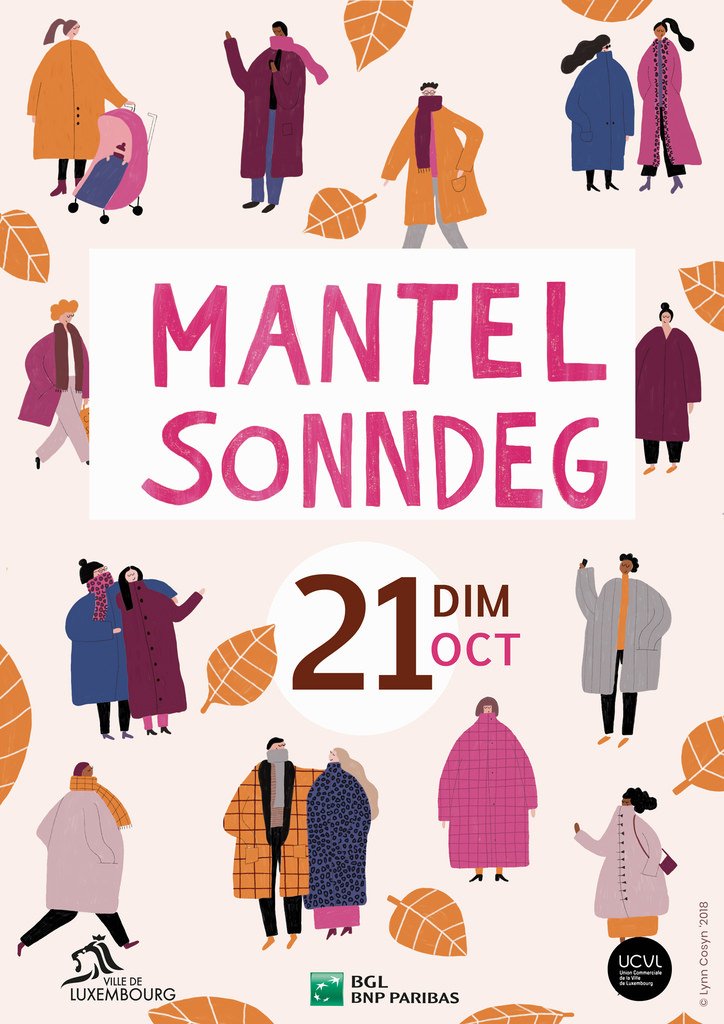
The Sunday preceding All Saints’ Day is known as Mantelsonndeg, or “New Coat Sunday,” because farmers used to buy a new coat to wear for All Saints’ Day. It’s still one of the few Sundays of the year that shops in Luxembourg are open.
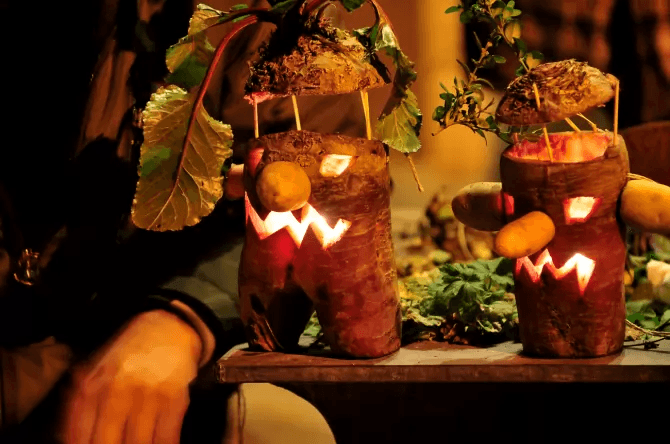
D’Trauliicht Brennen is a tradition for the eve of All Saints’ Day that originated in the Ardennes in northern Luxembourg. Villagers hollowed out beetroots or turnips and carved and decorated them with scary faces. Lit by a candle, Trauliichter were placed in windows and on village walls to ward off evil spirits and the souls of the dead. The lanterns also had the practical use of providing light in homes during the dark days of winter.
Trauliicht festivities of the Ardennes were popular until the 1970s when it was replaced by Halloween. In the 1990s, Trauliicht was revived throughout Luxembourg and remains a more traditional and less commercial holiday.
All Saints’ Day on November 1 commemorates all saints while All Souls’ Day on November 2, a Catholic tradition, is a day for blessing the graves of loved ones and remembering the deceased souls in purgatory.
Saint Hubert’s Day, observed on November 3, celebrates the patron saint of hunters (dogs, archers, and lovers of forests, too). The celebration, which is strongly rooted in the Ardennes, includes the blessing of hunters, hounds and horses and Masses featuring hunting horns are held. It’s also a social occasion for people who hunt or enjoy the forest.
Check out this fun video (in Luxembourgish with subtitles) on how to make a Trauliicht.
How does your family celebrate these holidays?
Autumnal Observances
The Luxembourgish term Trauliicht translates to lantern or torchlight. Trauliichtwochen is the festive week from October 20 to November 2 before All Souls’ Day. In rural communities, Trauliicht were placed in front of barns to protect animals from disease.
Mantelsonnedeg, which means “Coat Sunday” or “Coat Buying Sunday,” is observed in cities throughout Luxembourg. On this day, shops are open for business on one of the few Sundays of the year, drawing in shoppers with sales and seasonal offers.
Allerhelgen – All Saints’ Day is a Christian solemnity celebrating all the saints of the church, known or unknown. It dates back to May 13, 609 when Pope Boniface IV consecrated the Pantheon in Rome to the Blessed Virgin and all Catholic martyrs. The day was moved to November 1 by Pope Gregory III when he consecrated a chapel inside St. Peter’s Basilica to honor all martyrs.
On Allerseílen, All Souls’ Day, people gather at their family cemetery plots and a priest leads prayers for the dead, sprinkles the graves with holy water and reverences them with incense.
Haupeschdag – According to legend, St. Hubert was a nobleman and avid hunter. His vision of a stag with a crucifix between his antlers led him to convert and become a bishop.
0 Comments