
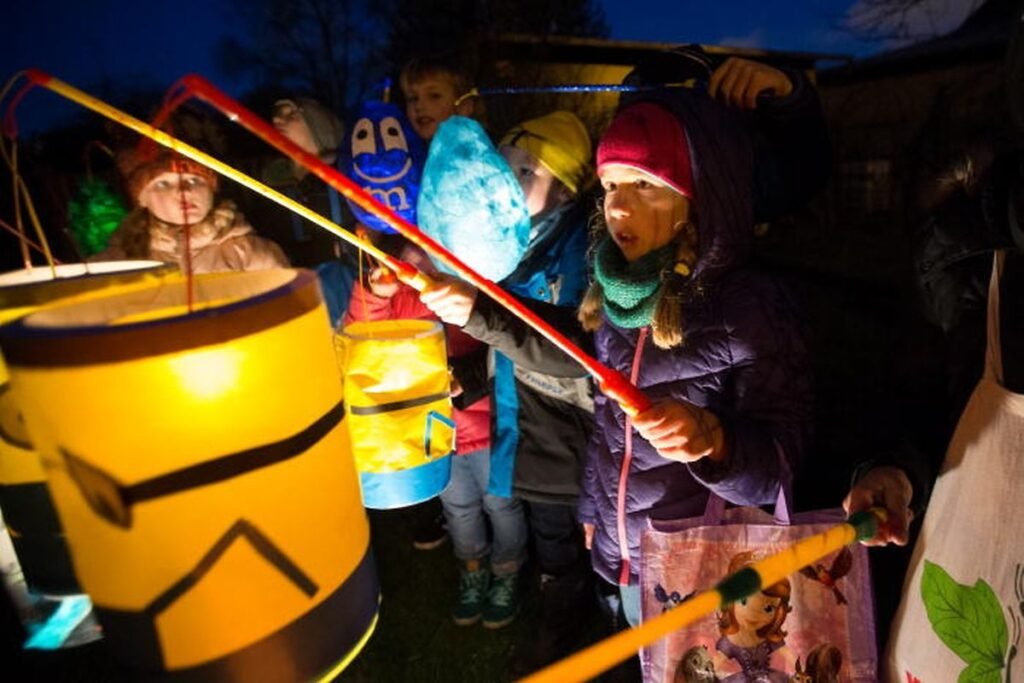
Children in Luxembourg carry lanterns, or Liichtëbengelcher, house to house to ask for treats and money on Liichtmëssdag.
Three festive Luxembourgish traditions fall in February this year
Easter falls on April 5 this year—a little more than two weeks earlier than last year, which brings a triple-header of Luxembourgish celebrations during the month of February. They include Liichtmëssdag, or Candlemas Day, which leads right into Fuesent, or Carnival, followed by the massive bonfires of Buergbrennen to chase winter away. Let’s dive into these festivities.
Liichtmëssdag
One of Luxembourg’s oldest tradition descending from an ancient torchlight procession is Liichtmëssdag. It takes place every year on February 2, the date of the annual celebration of the Presentation of Jesus in the Temple on the Catholic liturgical calendar. Candles are blessed at Mass for use throughout the year, which is why it’s called Liichtmëssdag (Light Mass Day). The blessed candles are also used on February 3, St. Blaise day, for the blessing of throats.
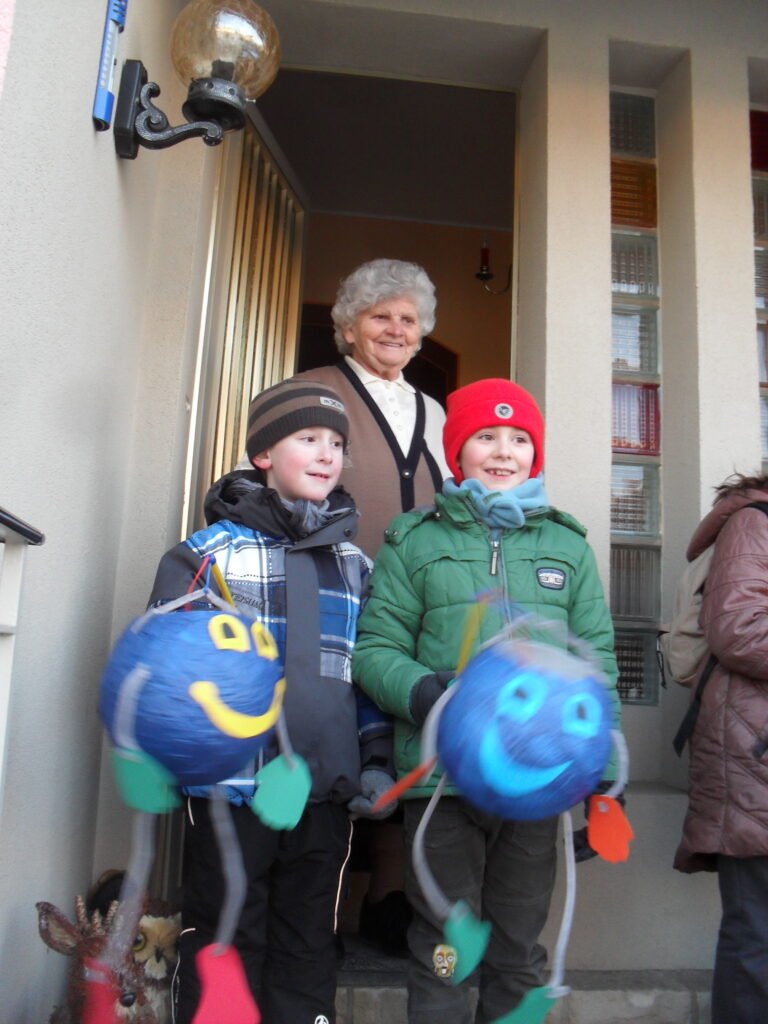
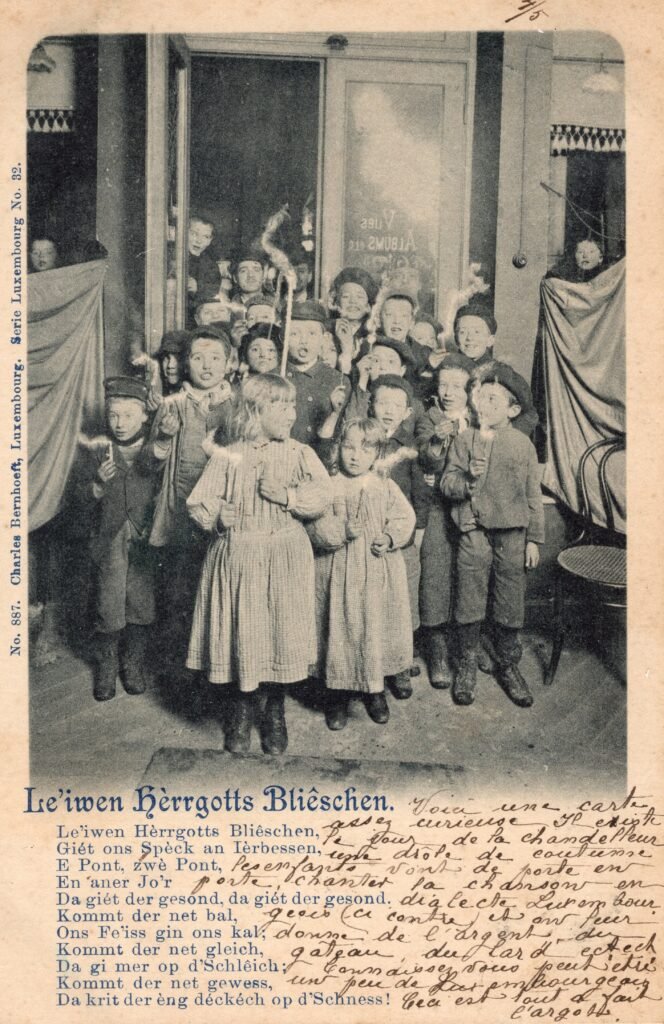
On the eve of St. Blaise’s day, February 2, children in Luxembourg carry lanterns, or Liichtëbengelcher, and walk from house to house. They knock on doors and sing Léiwer Härgottsbleischen in exchange for money and candy. In the old days, the children begged for bacon and peas.
Carnival
Luxembourgers celebrate Carnival, or Fuesent, between Liichtmëssdag and Äschermëttwoch (Ash Wednesday) with festive parades, colorful costumes, masquerade balls, music and parades, or cavalcades, with elaborate floats, costumed participants and marching bands.
The first cavalcade of this kind took place in Diekirch in 1870, and it’s still the largest Fuesent procession in Luxembourg. There are also parades in cities and towns throughout the country, including Remich, Wasserbillig, Esch-sur-Alzette and Schifflange.
There is plenty of drinking and eating, including a variety of donuts with more (or less) enchanting names like Nonnefascht, or nun’s farts, Maisercher, donuts shaped like a mouse, and knots of fried pastry dusted with sugar called Verwurrelter Gedanken, or scrambled thoughts.
And of course, something must be burned, so many people go to Remich on Ash Wednesday for the traditional burning of Stréimännchen (straw man). This doll represents a reveler, or Fuesbok, who holds an empty wine or crémant bottle and an empty wallet. The doll is carried in a procession through the streets to the bridge spanning the Moselle. Before the assembled crowd, the Stréimännchen is set on fire and thrown into the river, marking the end of the carnival season and the beginning of lent.
The doll usually represents a man but in leap years, it’s a straw woman, or Stréifrächen.
Buergbrennen
On the first weekend following Carnival Sunday, huge bonfires are lit throughout Luxembourg to chase winter away and welcome spring, another festival observed around the time of the spring equinox that is rooted in pagan tradition.
Each village has its own Buergbrennen where wooden crosses and sometimes castles are erected on large pyres made of flammable materials like straw, wood and old Christmas trees. These structures are usually constructed by youth organizations. A torchlight procession, called Fakelzuch, winds through each village to the Buerg, which is then set ablaze.
Around the bonfire, you’re likely to find food stalls selling Glühwäin (mulled wine), barbecue, Lerzebulli (pea soup) Bouneschlupp (traditional green bean soup), Gromperekichelcher (potato pancakes) and other Luxembourgish specialties.
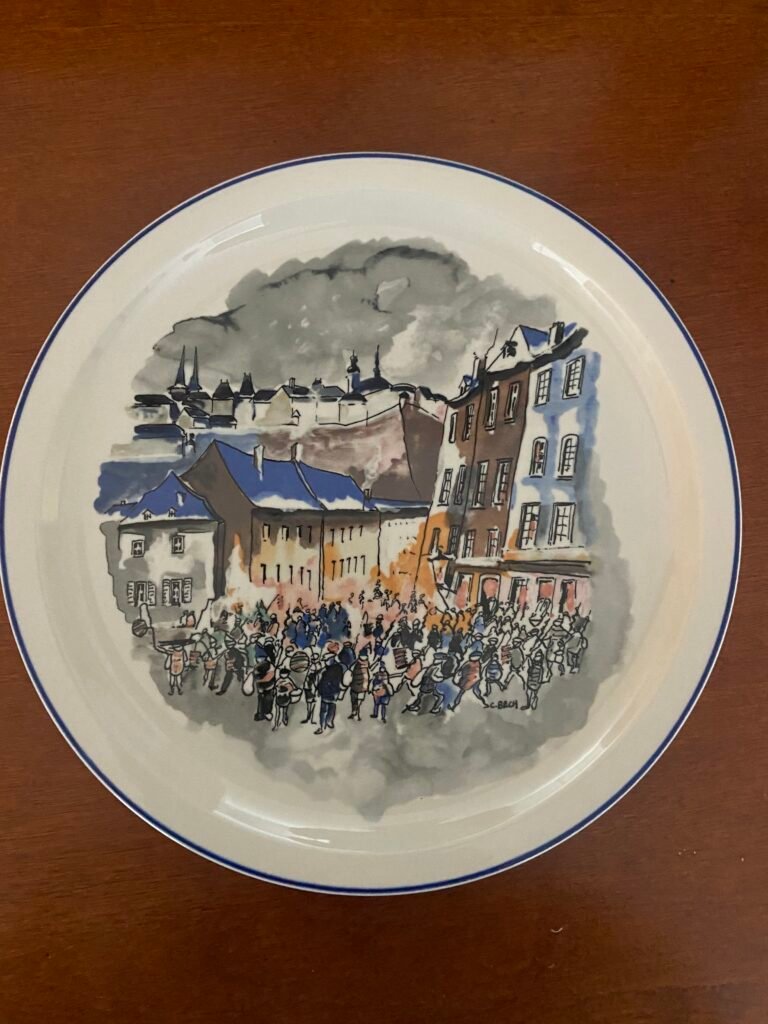
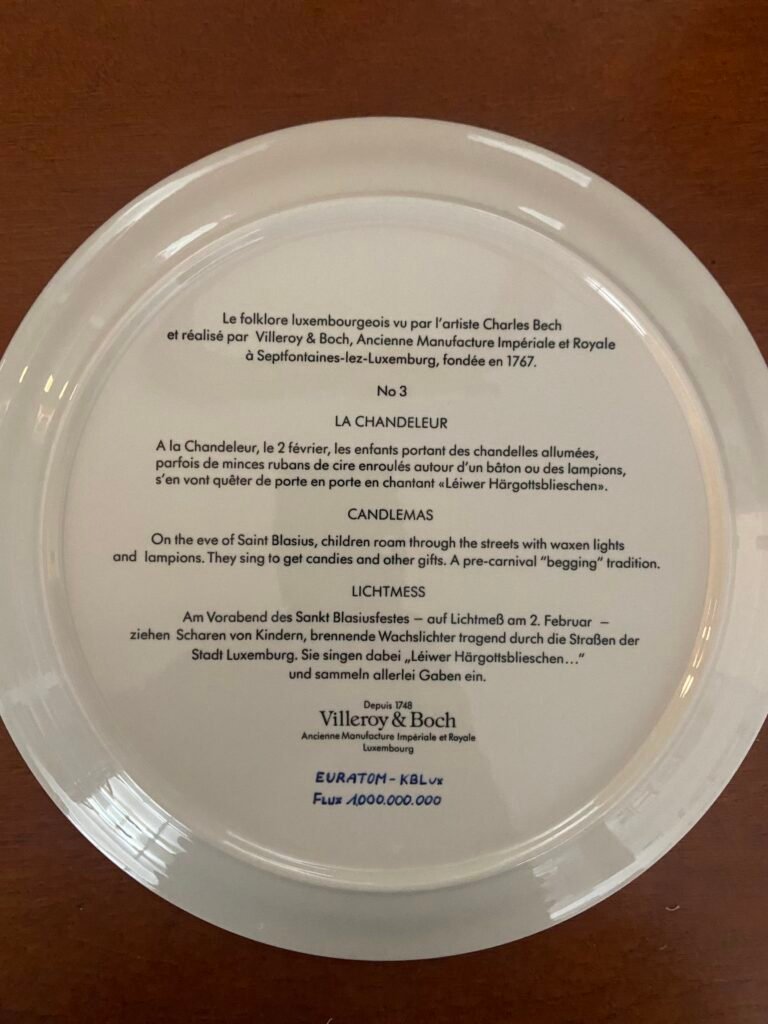
Special Villeroy & Boch Liichtméss plate.
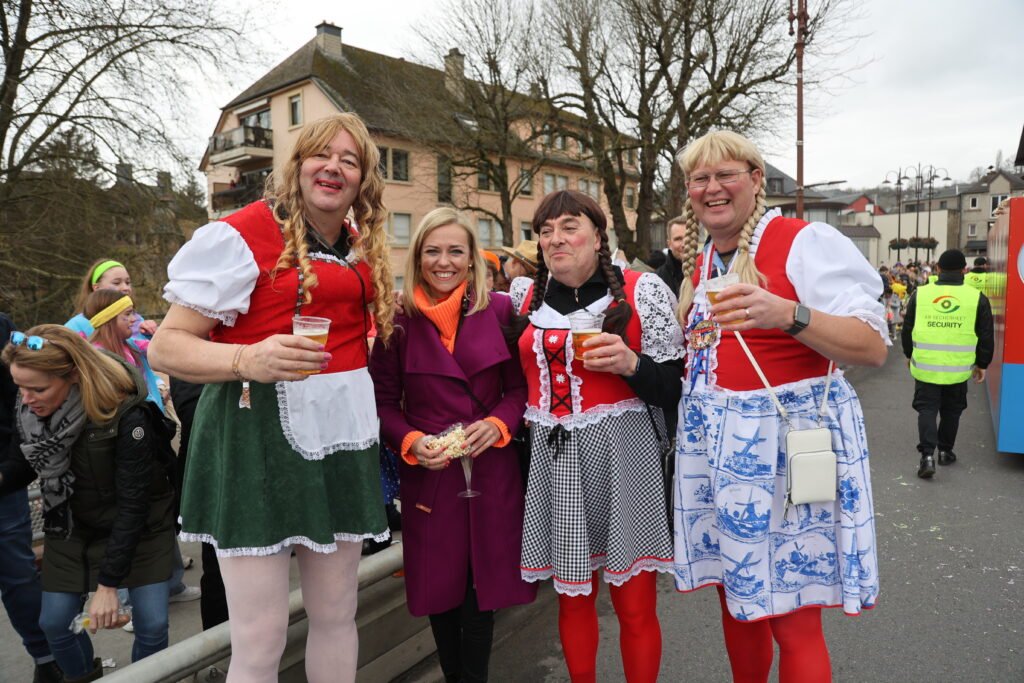
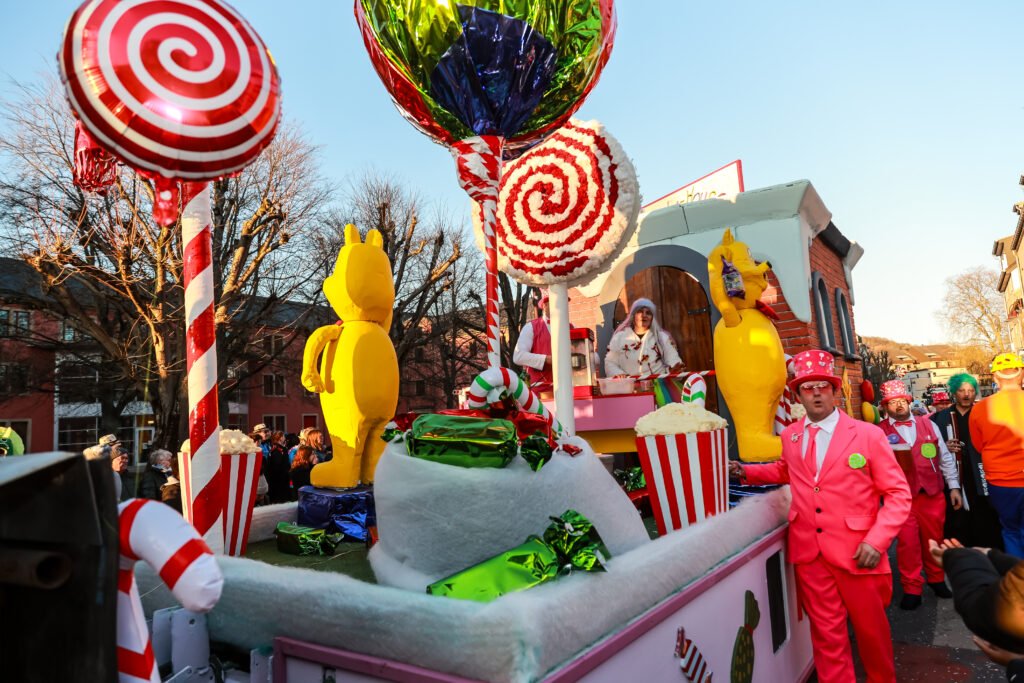
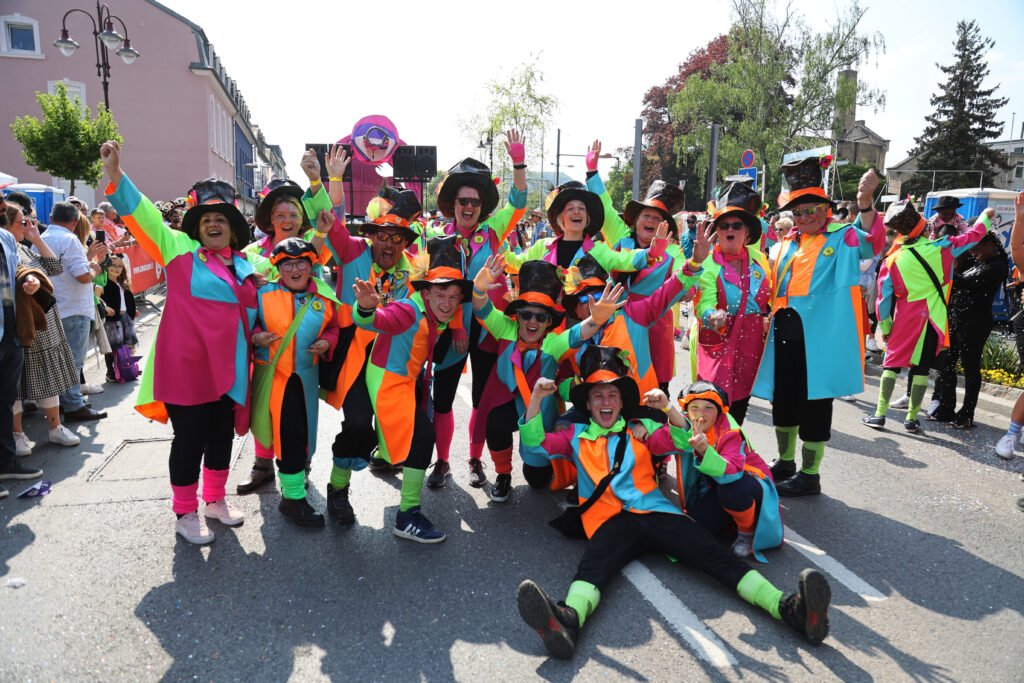
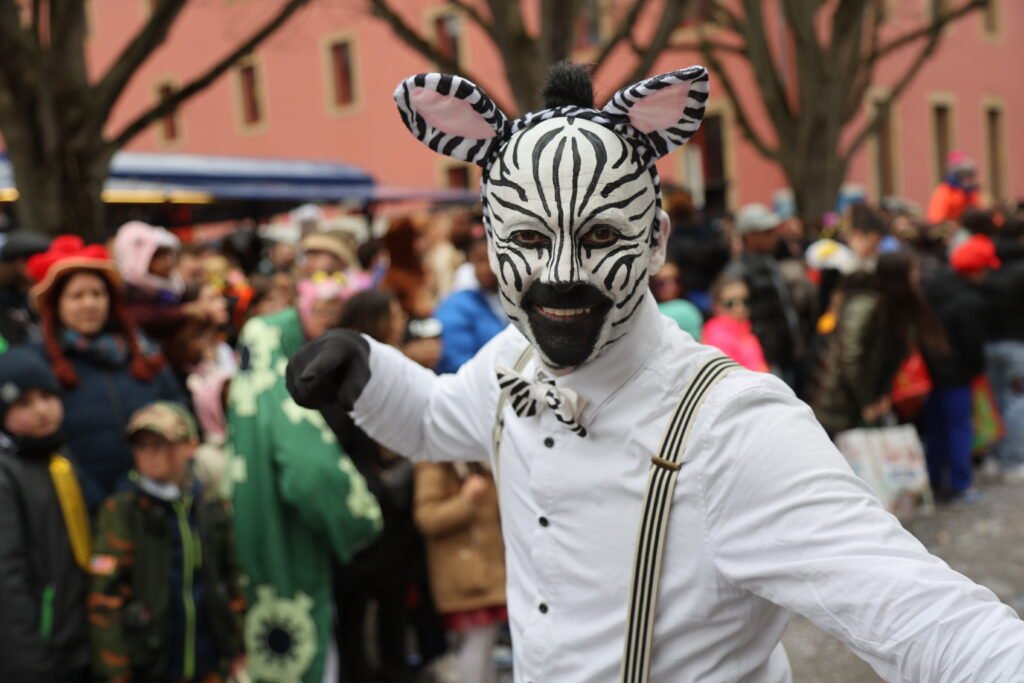
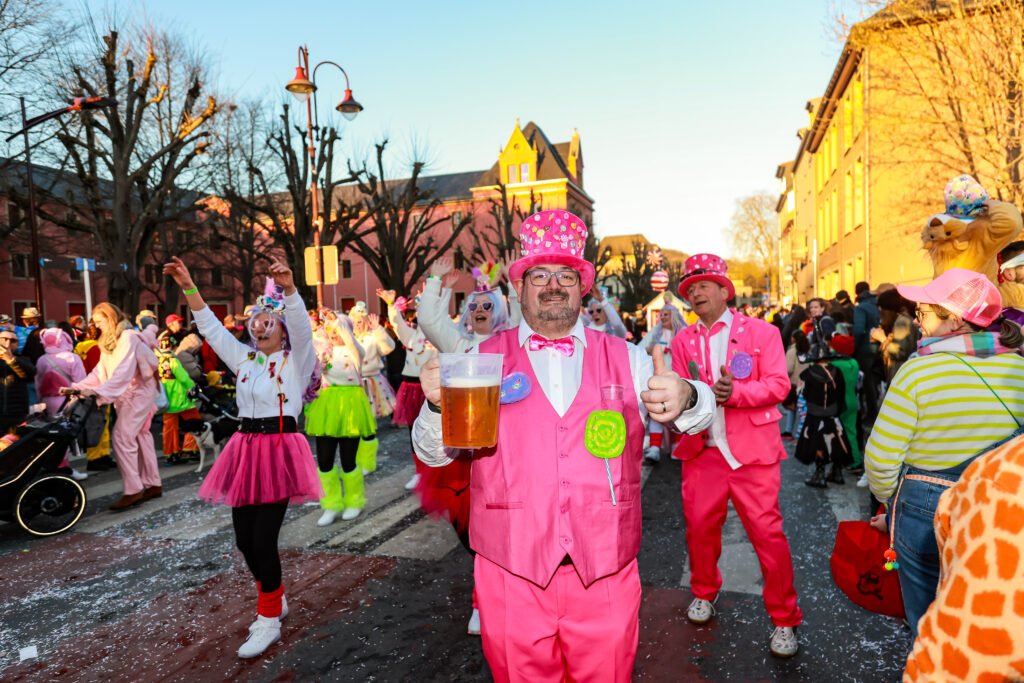
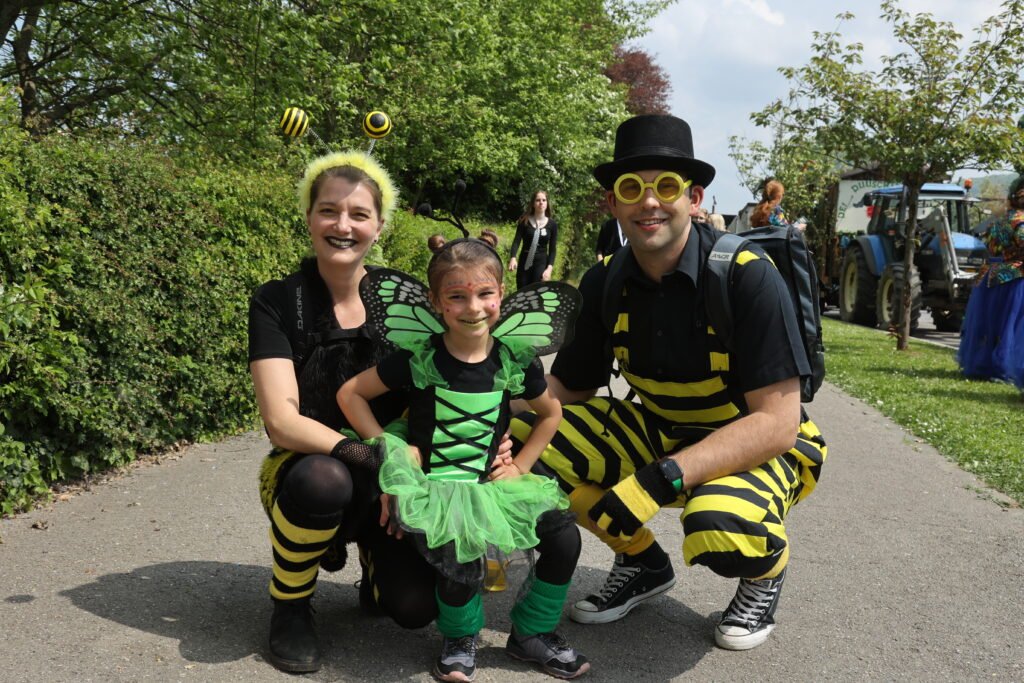
Cavalcade festivities in Diekirch, Luxembourg.
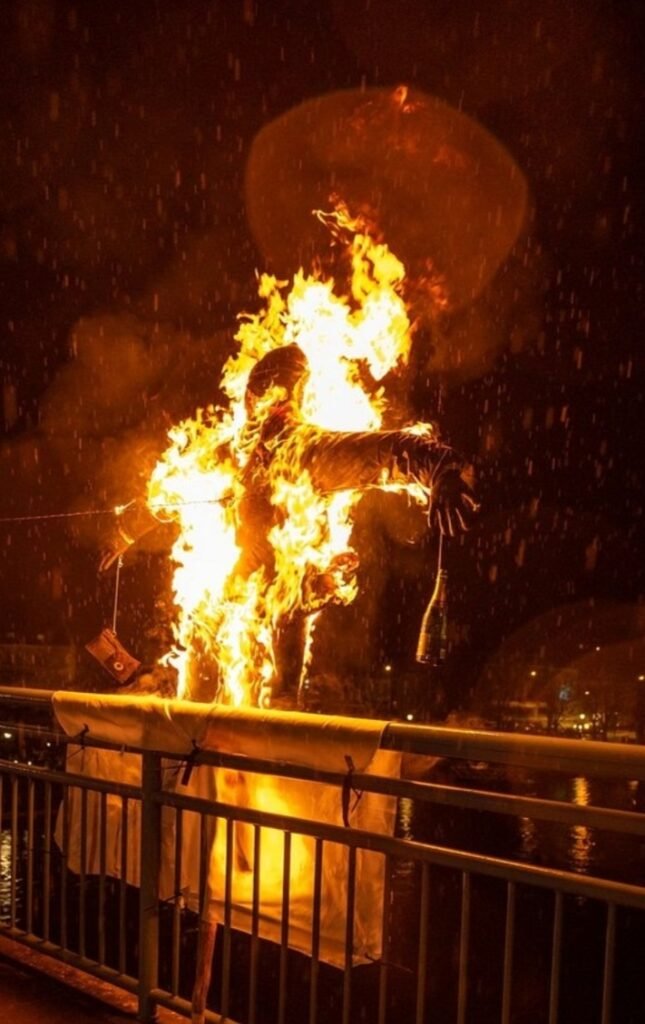
The traditional burning of Stréimännchen (straw man) in Remich, Luxembourg, on Ash Wednesday.
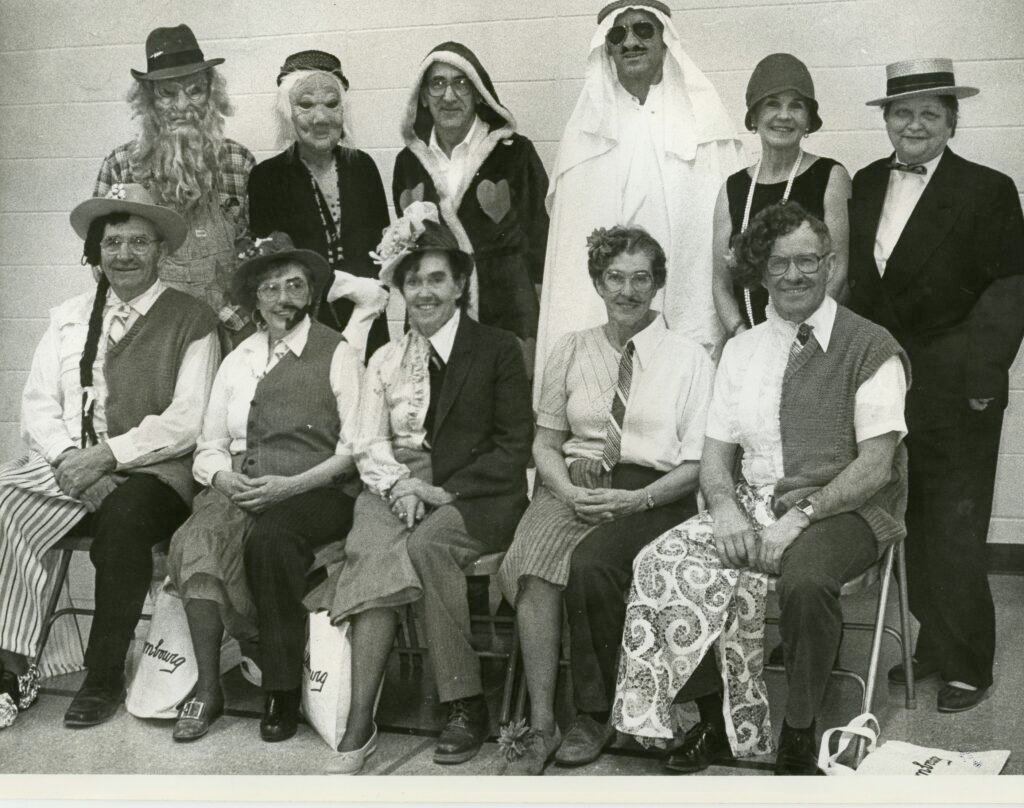
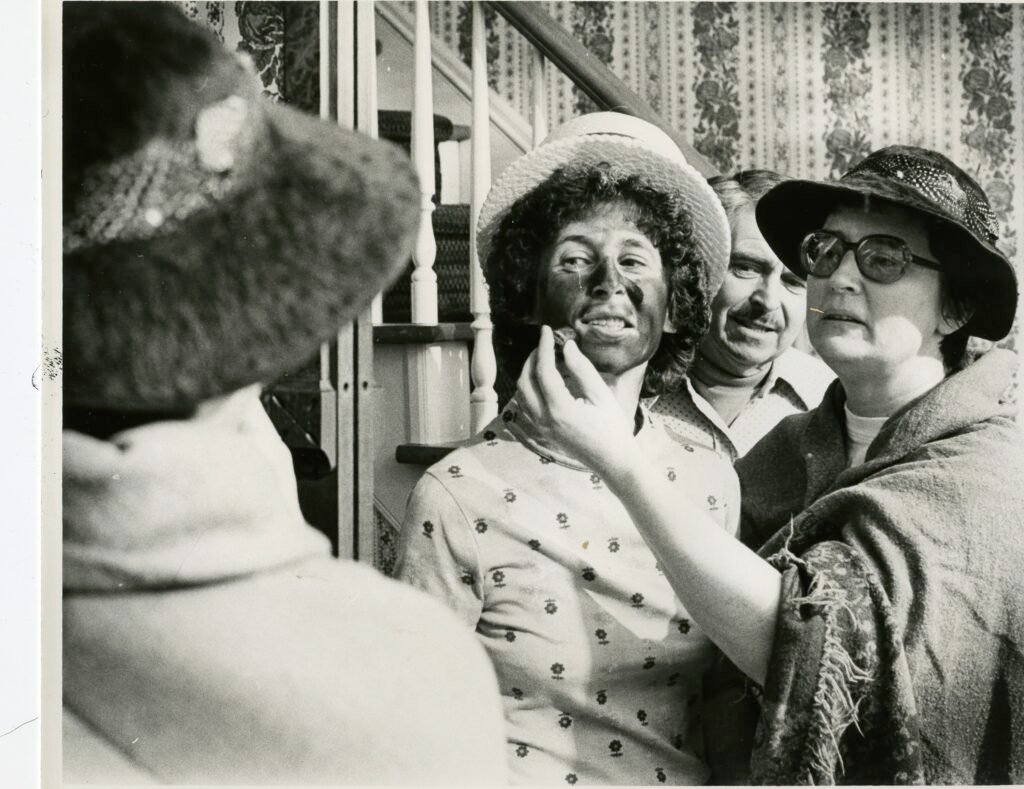
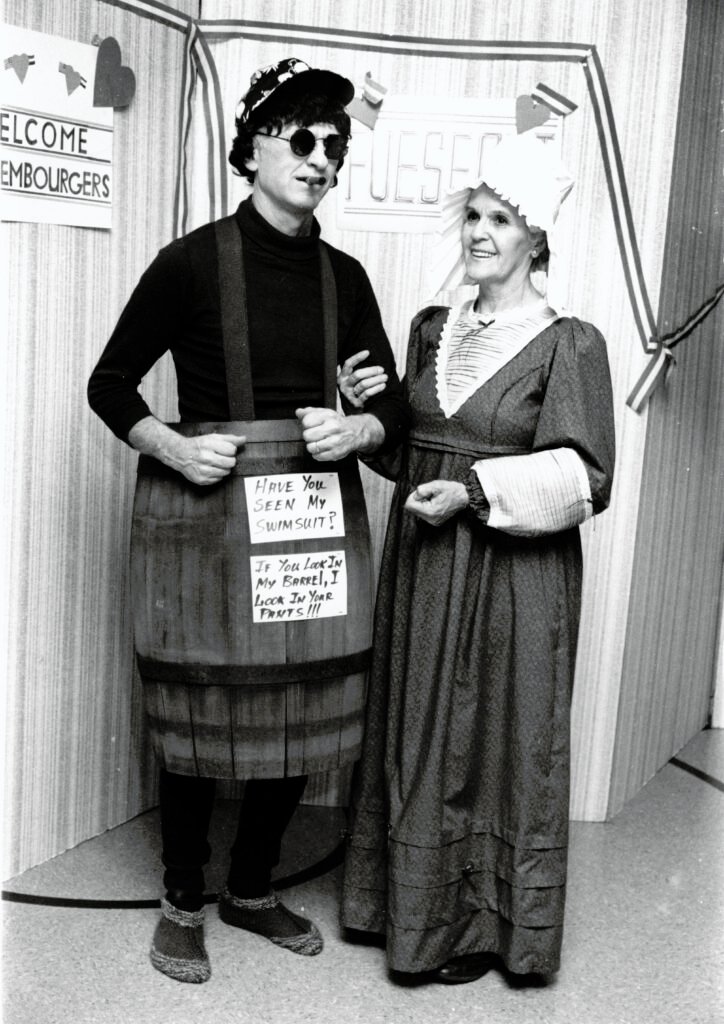
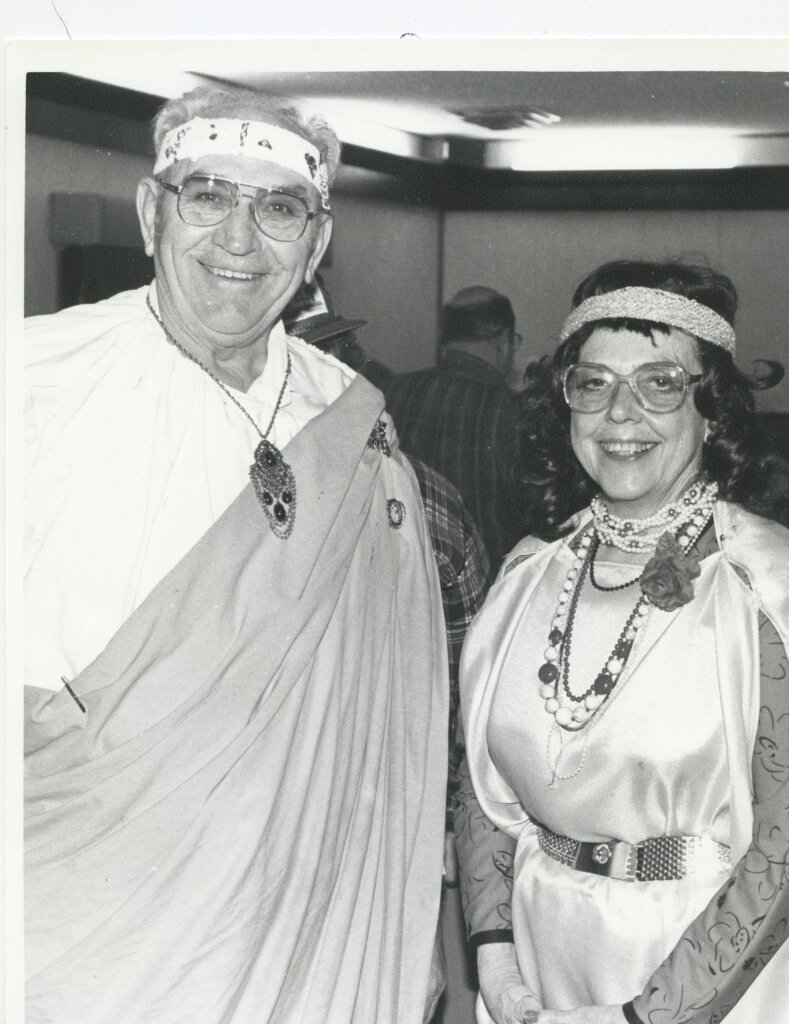
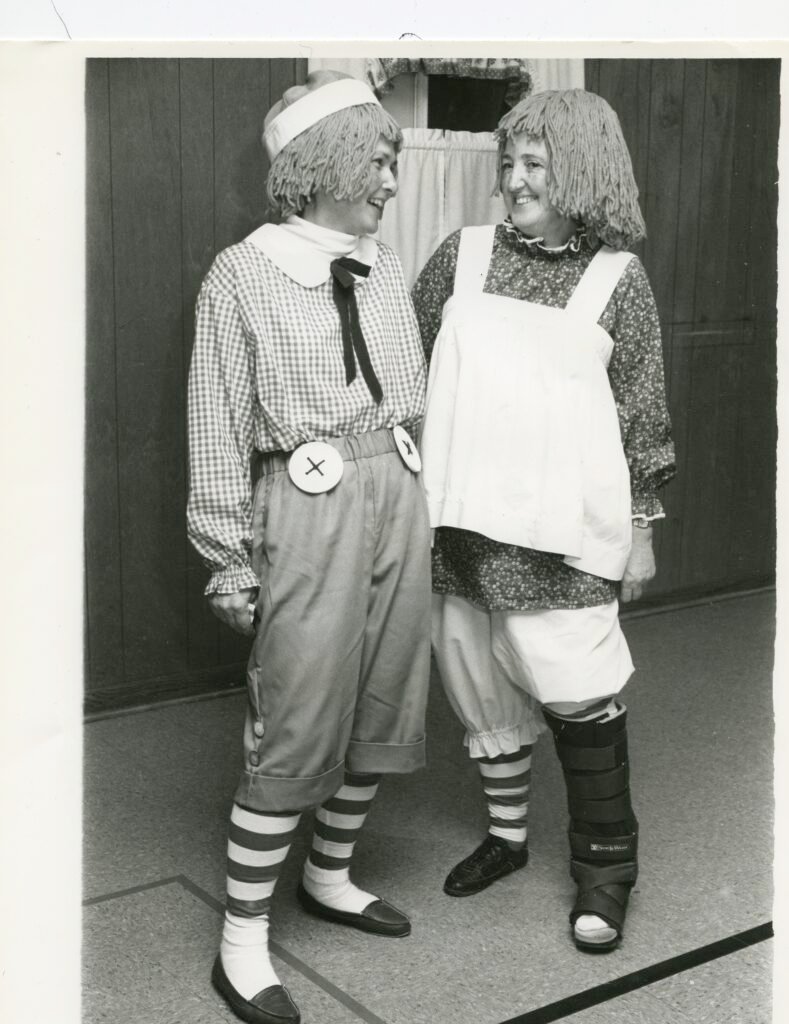
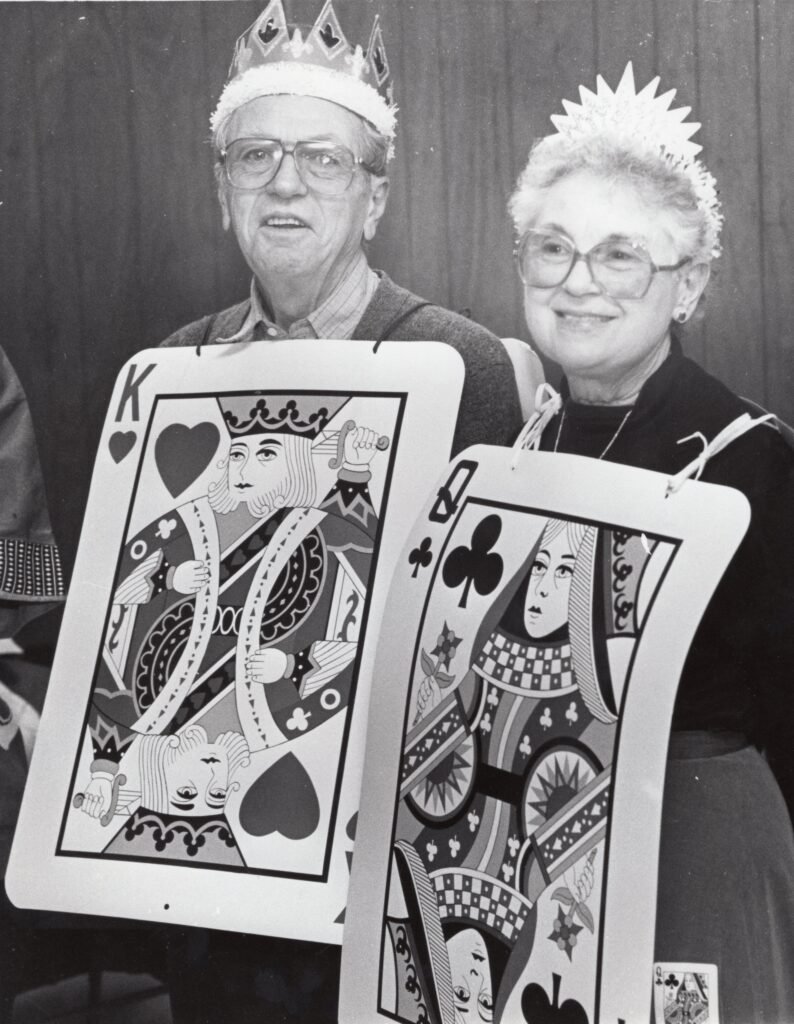
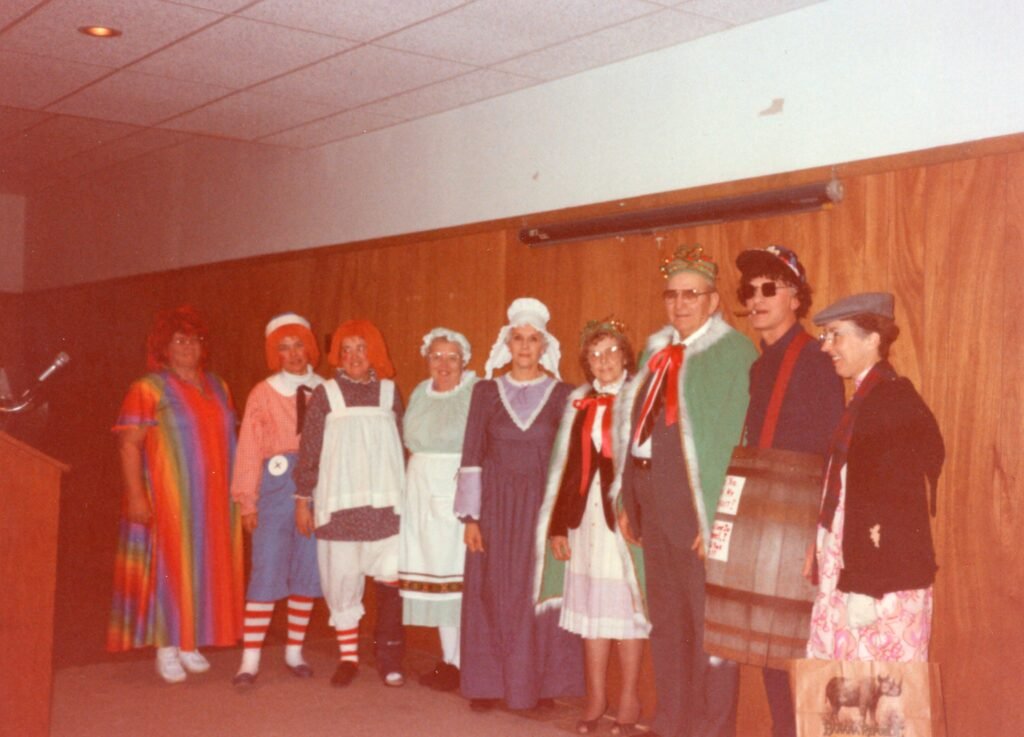
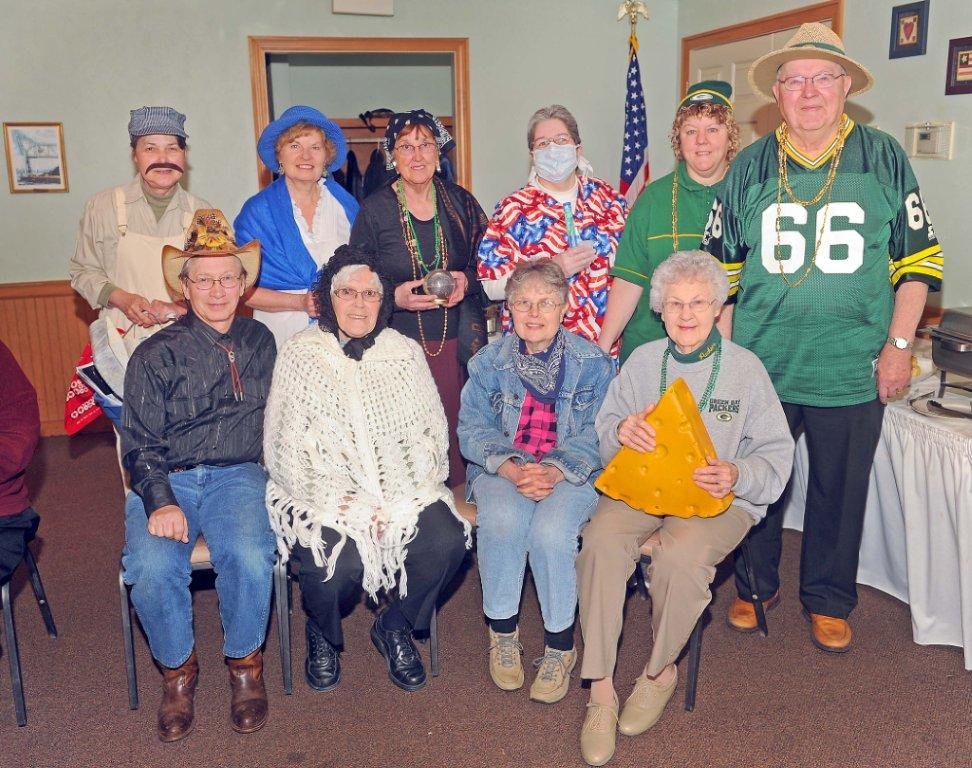
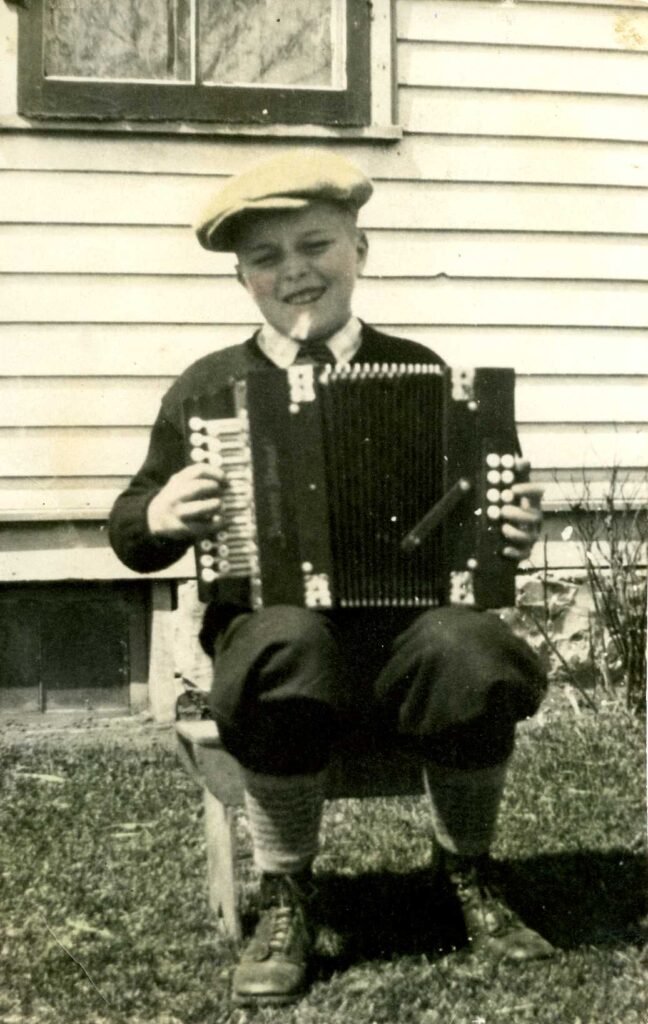
Members of the former Luxembourg Society of Wisconsin in Belgium, Wisconsin, celebrated Fuesent for many decades.
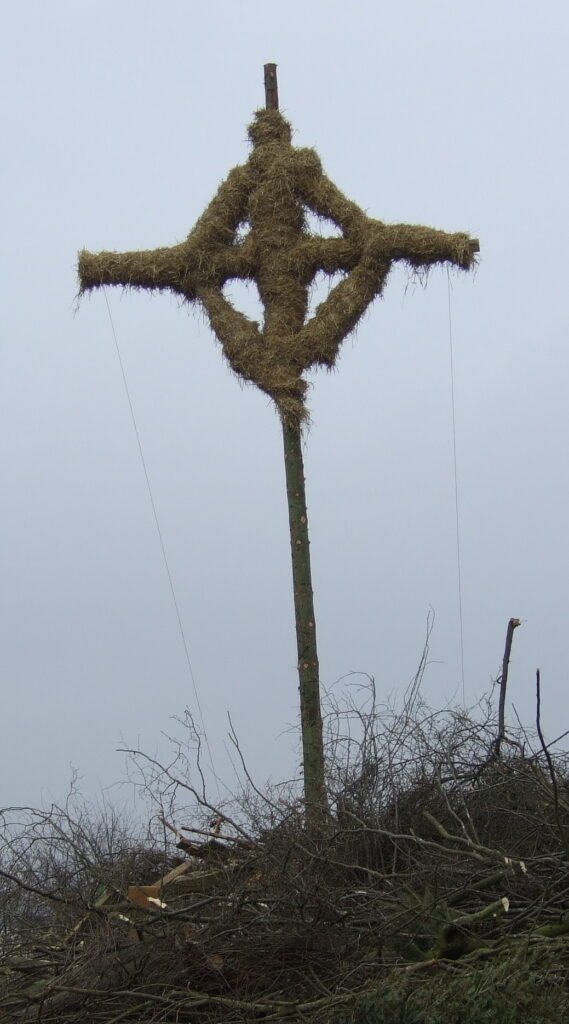
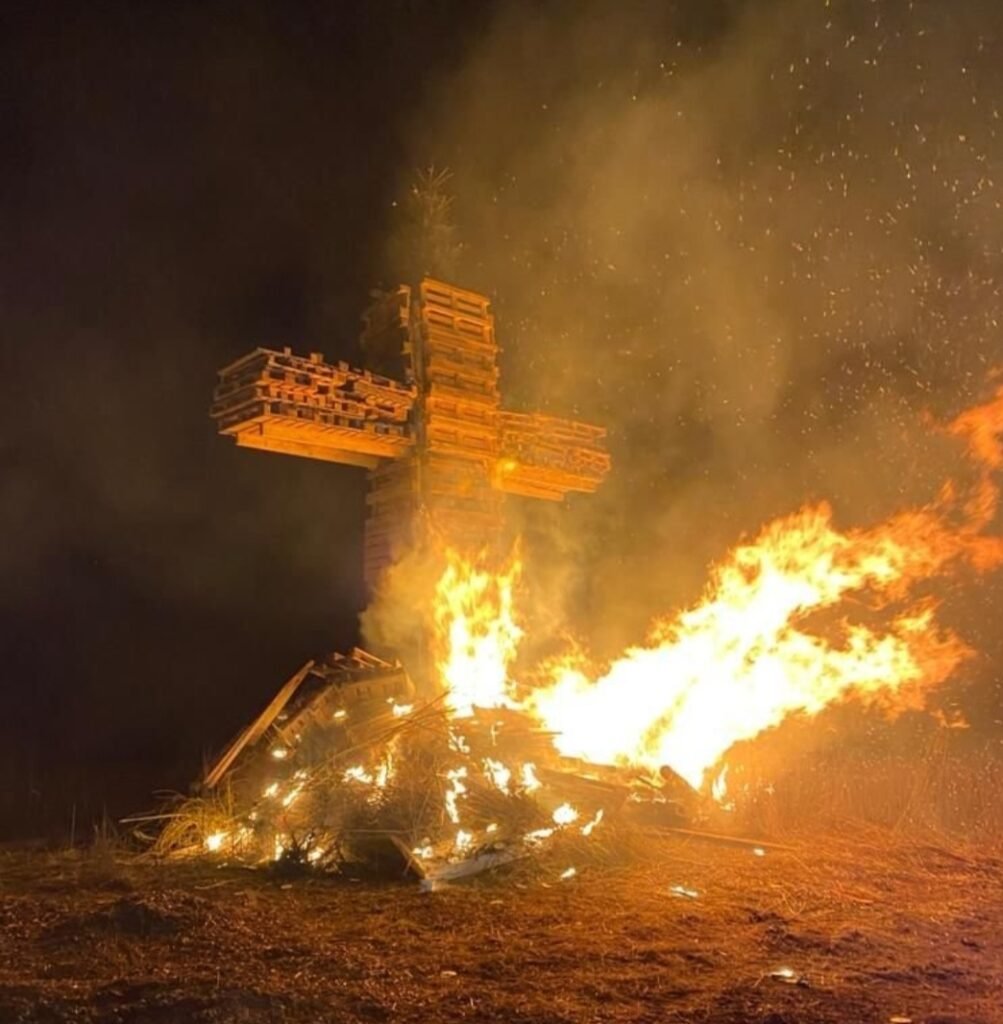
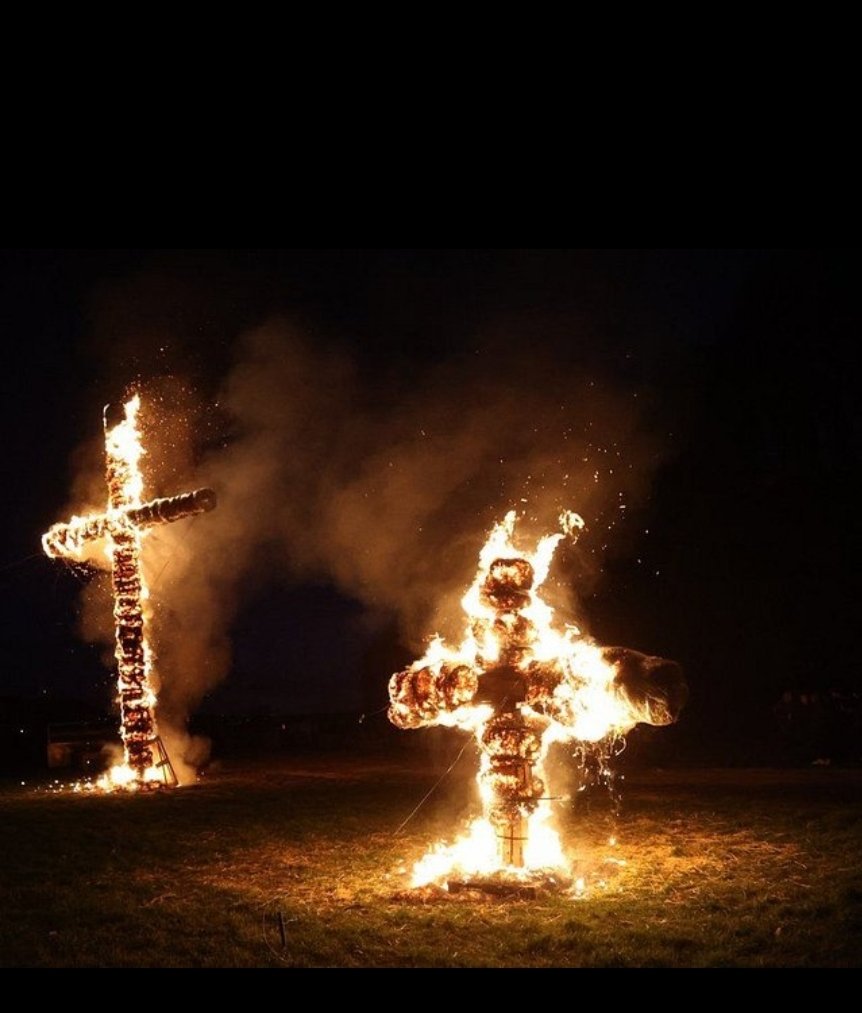
Buergbrennen in Luxembourg.
0 Comments