Beginning in 1850, two significant waves of immigrants from Luxembourg found a new home in Aurora, Kane County, Illinois, about 40 miles west of Chicago.
Many of the Aurora’s early settlers came from the Canton of Echternach, including the villages of Waldbillig, Haller and Ermsdorf. As was the custom, they immigrated with family members and neighbors and brought with them their religious beliefs, language, customs and strong work ethic.
While many of the early settlers established farms in the “Big Woods” in rural Aurora, others took up residence and occupations in the City of Aurora, which quickly made its mark as a vital railroad hub. The city Luxembourgers belonged to St. Nicholas Church on High Street, and the country Luxembourgers belonged to Annunciation Church in “Marywood” or “Big Woods.”
Despite Luxembourg being a small country, the number of Luxembourgers in and around Aurora made Luxembourgers one of the most noteworthy ethnic groups in that area among the Irish, Scandinavians, Germans and Romanians.
The First Wave of Immigrants
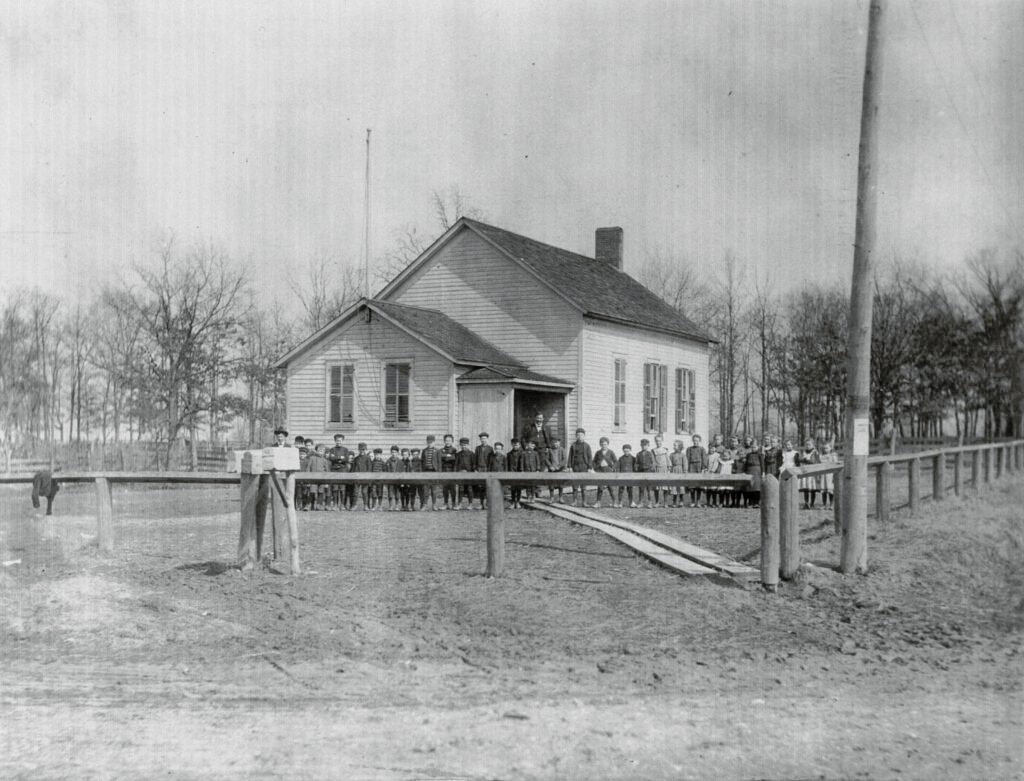
The first Luxembourger settlers in Aurora were Phillip and Margaret Jungels from Waldbillig, Canton Echternach, Luxembourg, who arrived in 1850 and settled at the current location of Garfield Park. Phillip’s brothers George and John arrived soon after.
Phillip Jungels donated one acre of land for what became Jungels School, an important early Luxembourg community gathering place in Aurora.
In 1851, the next settlers to arrive were brothers John and Michael Hankes, the Michael Frieders family and the Peter Petit family. These immigrants sent letters back home encouraging relatives and friends from the Canton of Echternach, Luxembourg, to join them in Aurora.
By 1870, the Big Woods area was almost totally occupied by immigrants from Luxembourg. They cleared the land and began farming and the cord wood they cut was used to purchase more land, often just one acre at a time.
Building Pioneer Churches
The German-speaking Luxembourgers and their German counterparts in Aurora wanted their own church, so an interested group met at Jungels School in February 1862.
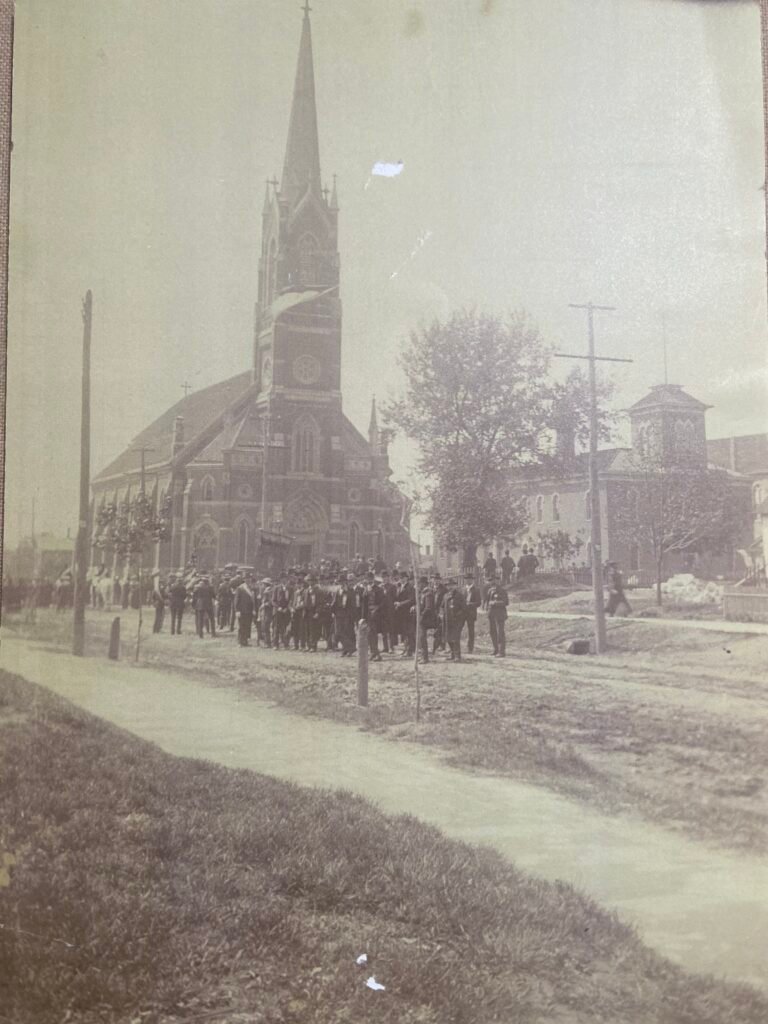
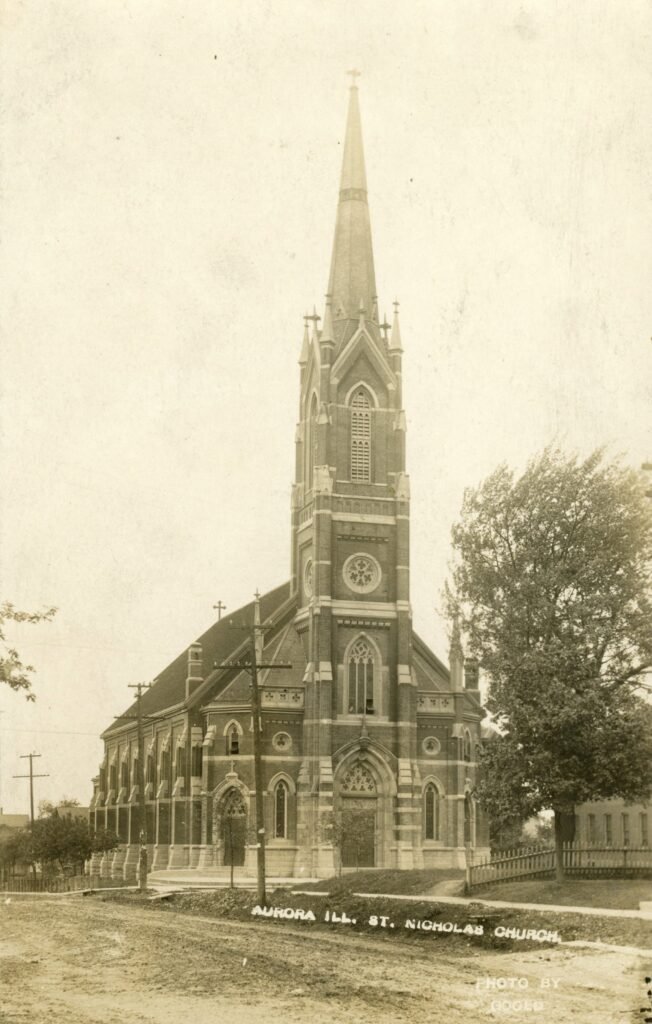
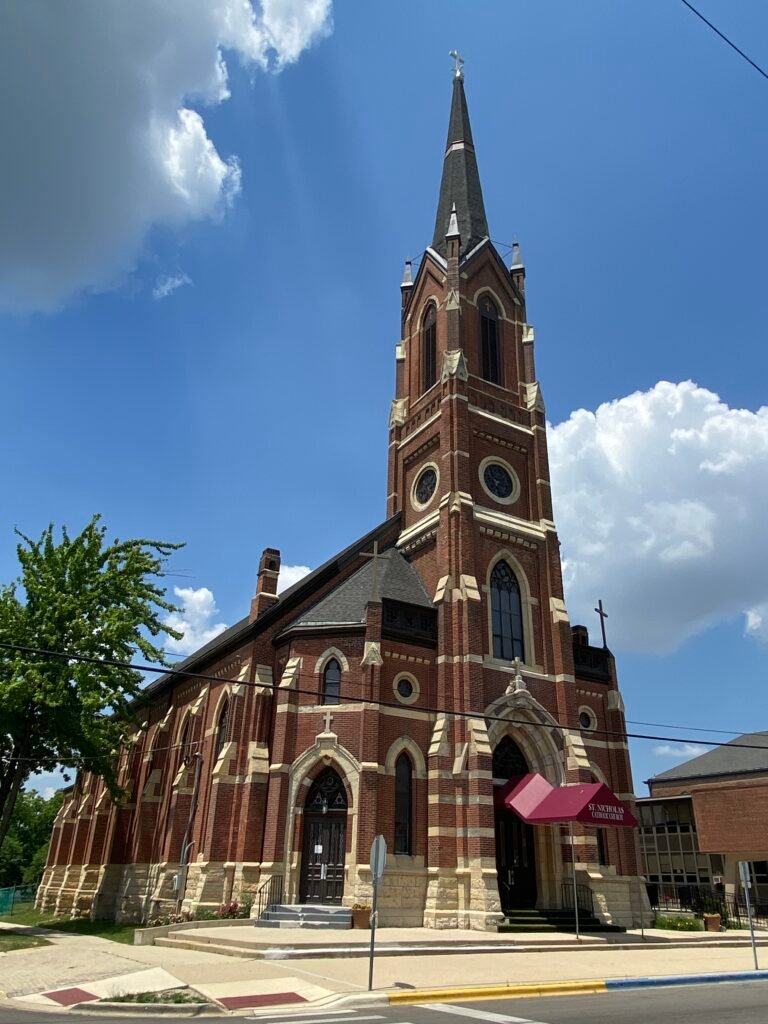
Michael Petit and Peter Loser, both Luxembourg immigrants, went to Chicago to petition Bishop James Duggan to organize and build St. Nicholas Parish. A frame church was built in 1863 on the corner of Liberty and High streets. The Luxembourgers in the city of Aurora and Luxembourg farmers from Big Woods all contributed to the cause.
The church that currently stands was built in 1887. Bishop Johannes Joseph Koppes, of Luxembourg, visited and celebrated Mass at the church in 1902.
Because travel to St. Nicholas from the Big Woods was difficult in bad weather, a movement started in 1874 for the people there to have their own church. In 1875, despite internal opposition, they organized Annunciation Parish. The Luxembourgers of Big Woods raised $16,000, the cost of the church by the time it was built. That same year, they built and opened Annunciation School, which held classes in German in the mornings and in English in the afternoons.
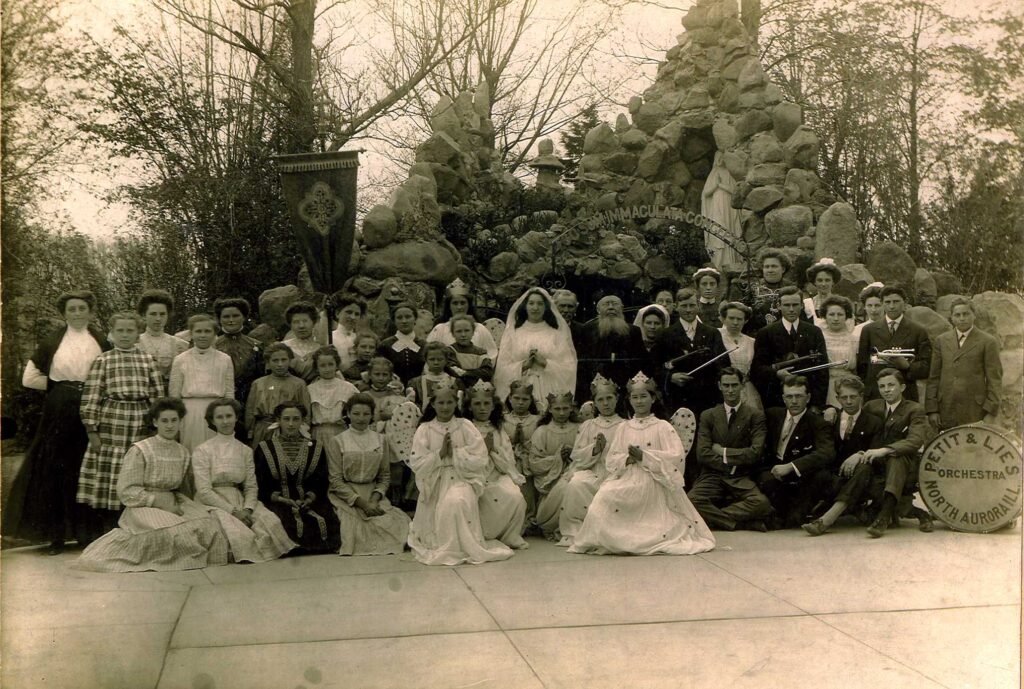
The Luxembourgers continued the spiritual traditions of their homeland, including devotions to Mary and Corpus Christi processions.
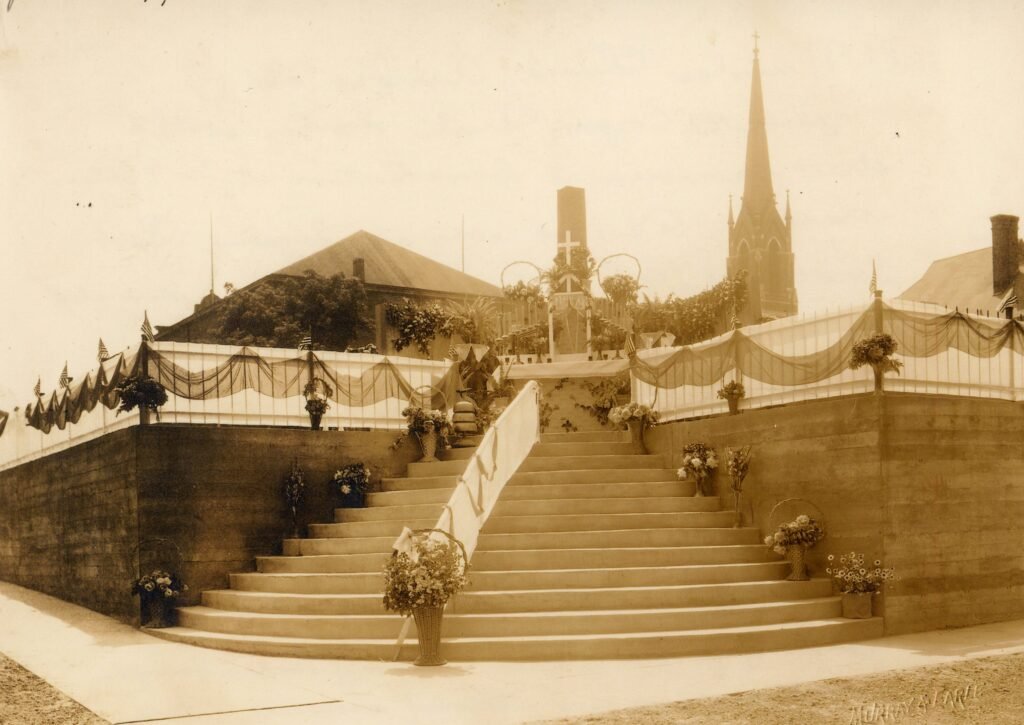
In 1910, Annunciation Parish built a Lourdes grotto in 1910 and pilgrims from Chicago and throughout the region made annual pilgrimages there.
Second Wave of Immigrants
By 1870, there was a second major wave of immigration to Luxembourg from the southern part of Luxembourg. Some of these immigrants farmed but many also had non-rural backgrounds and found employment in the Chicago, Burlington and Quincy railroad shops, while others worked as cabinetmakers, boilermakers, carpenters, molders and craftsmen.
Luxembourg immigrants and their first-generation descendants opened a variety of stores, shops and businesses in the ever-growing City of Aurora. Many Luxembourgers populated the area around High Street known as “Pigeon Hill.” They wanted their own church, so a meeting was held at Jungels School in 1898, and St. Joseph Parish was organized.
In 1909, another new parish was founded in large part by Luxembourgers, Our Lady of Good Counsel, known as the “church in the cornfields.”
The Formation of Ethnic Societies
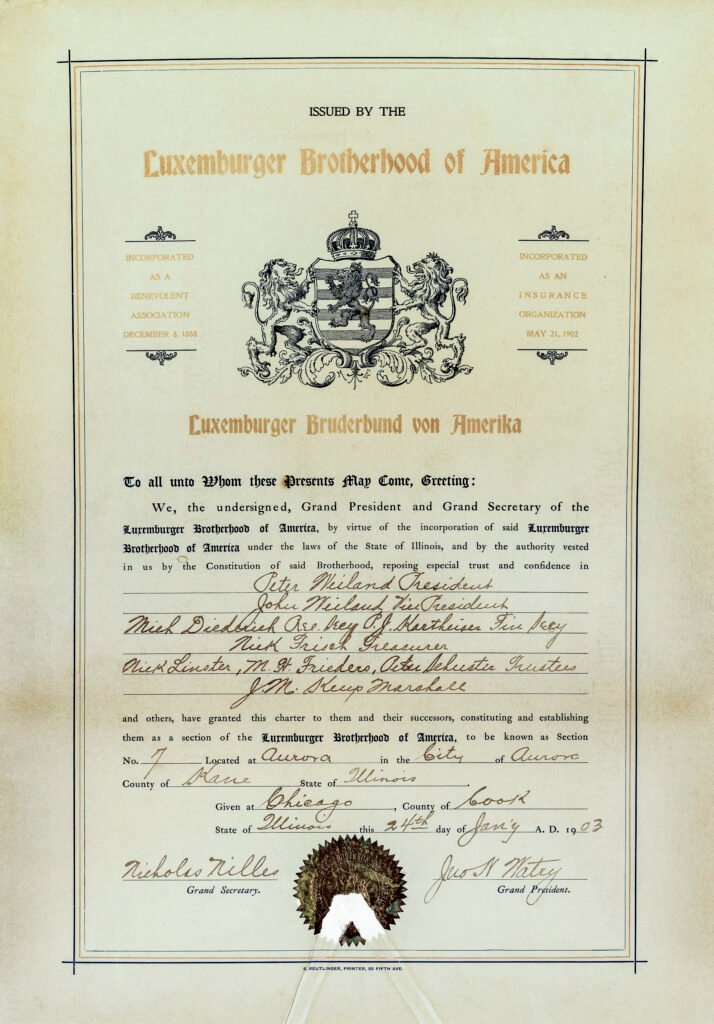
By the 1880s, Luxembourg ethnic societies were being formed in the Midwest, including the Luxembourg Brotherhood of America in Chicago in 1887.
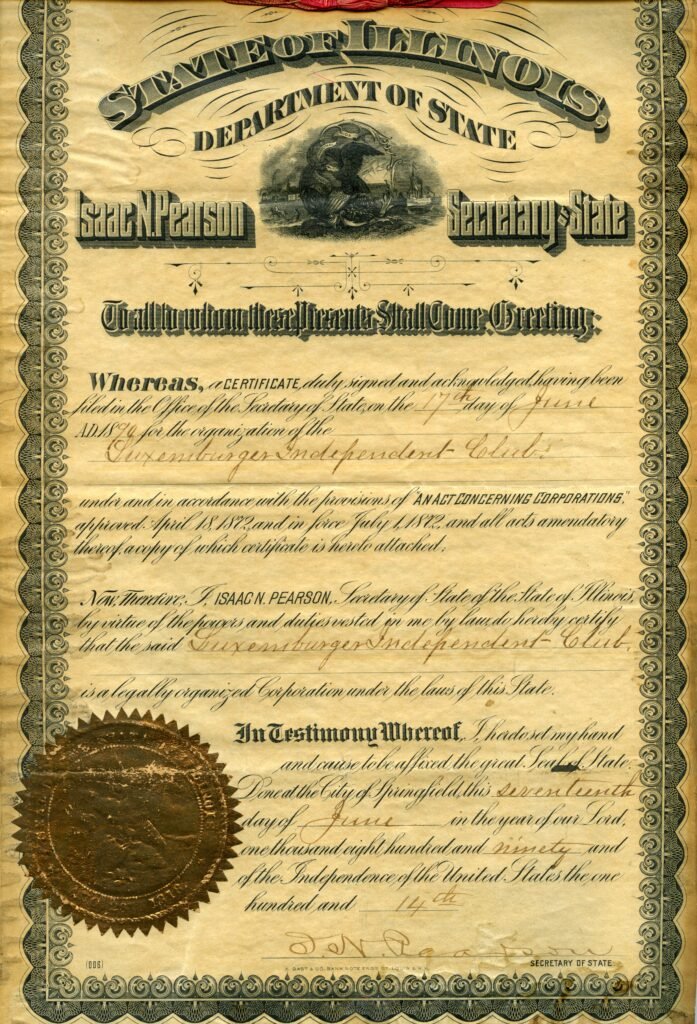
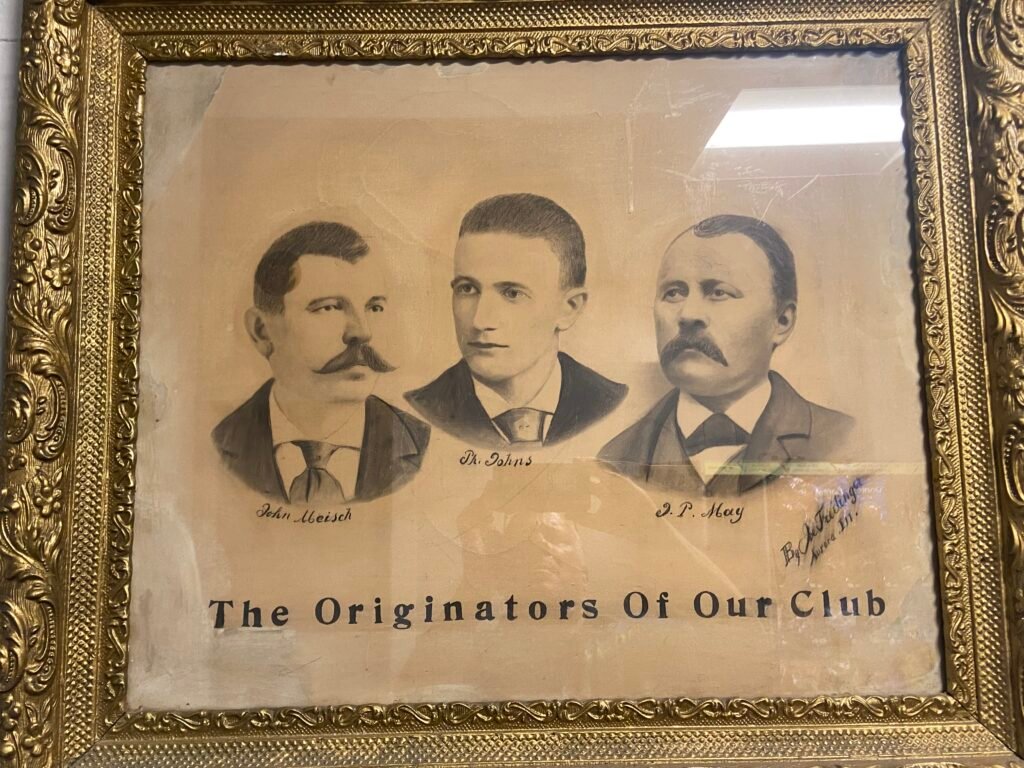
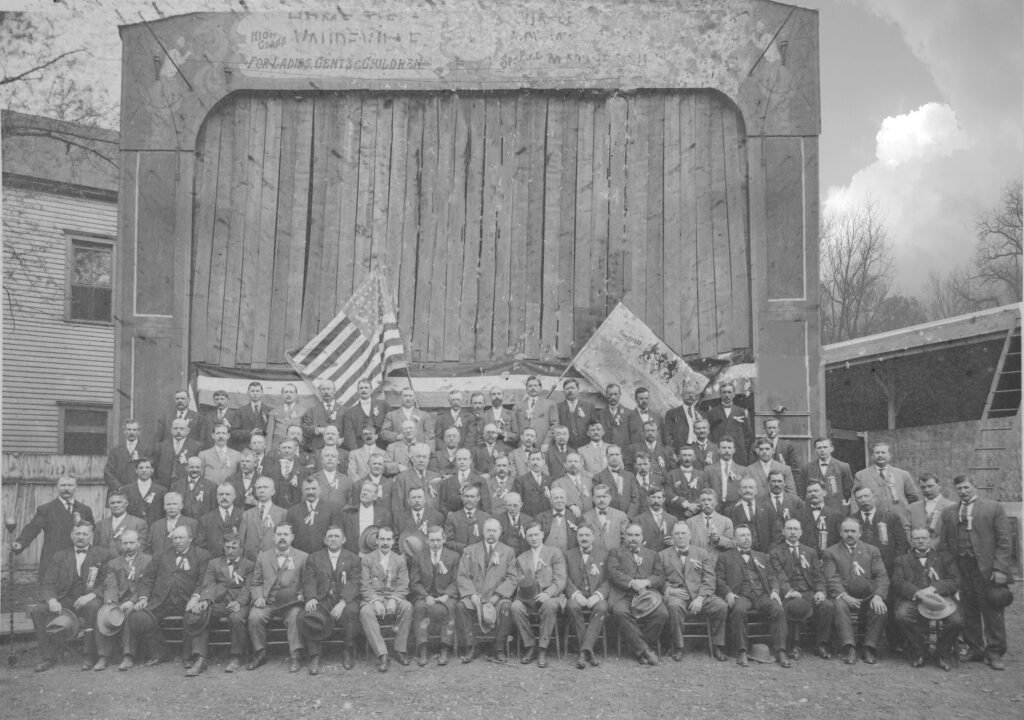
In 1890, a group of 100 Luxembourgers met in Aurora and founded their own “Luxembourg Independent Club” of Aurora. The first meeting was held at Weiland Hall on Main Street and throughout the years, it had a drama club, a singing society and a variety of social events. In 1900, a group of Luxembourgers from Aurora formed another society, Section 7 of the Luxembourg Brotherhood of America.
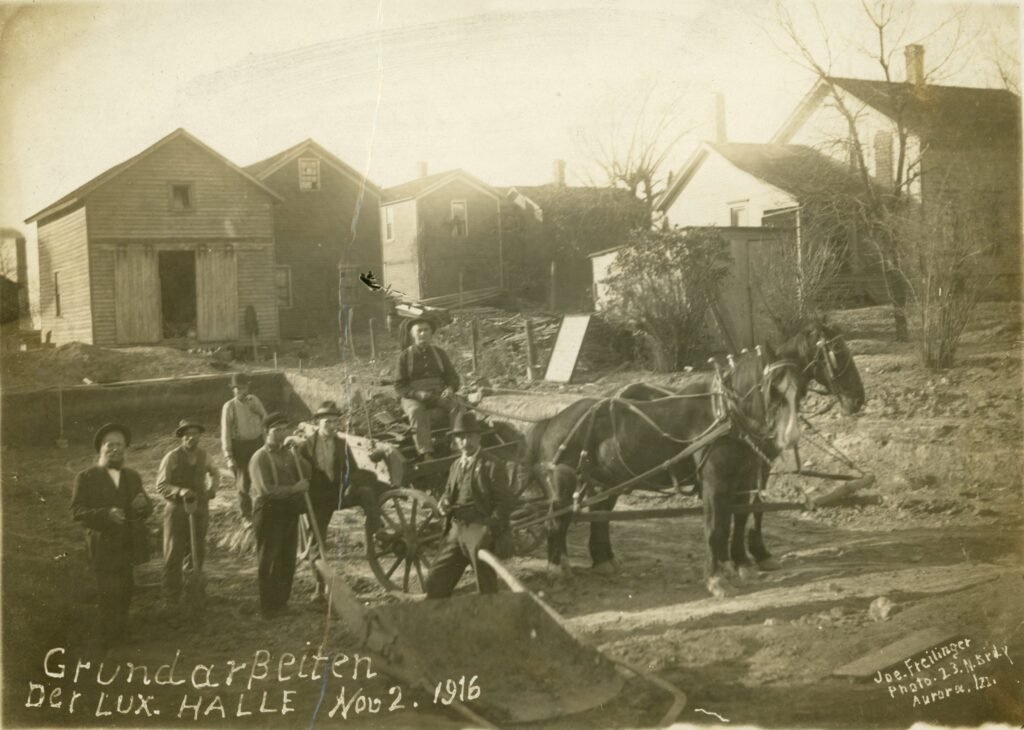
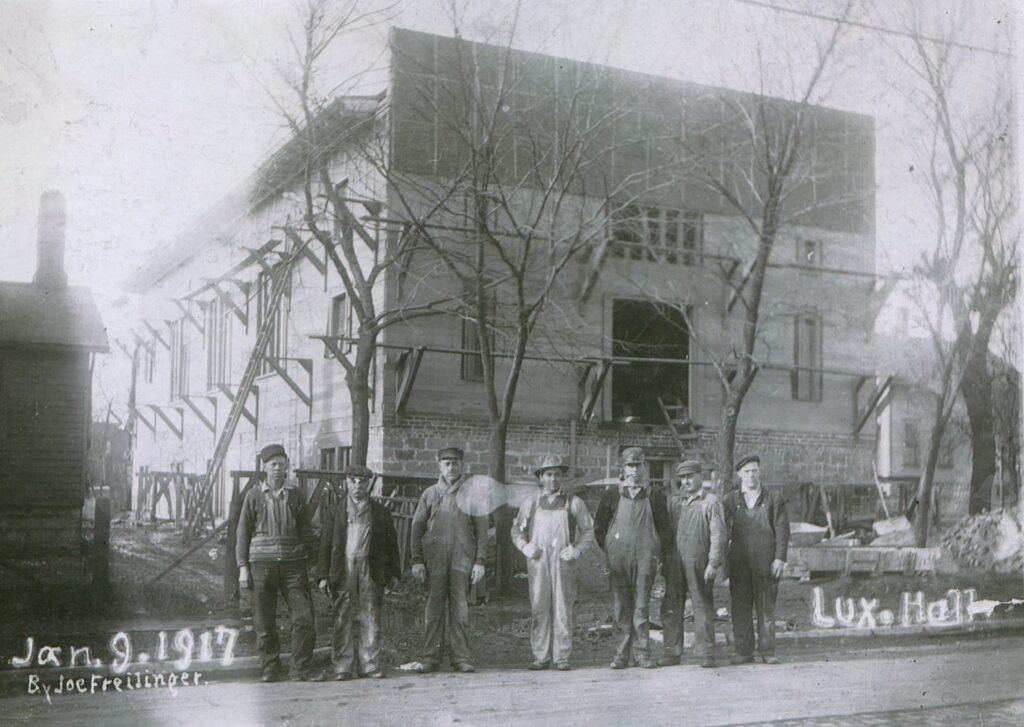
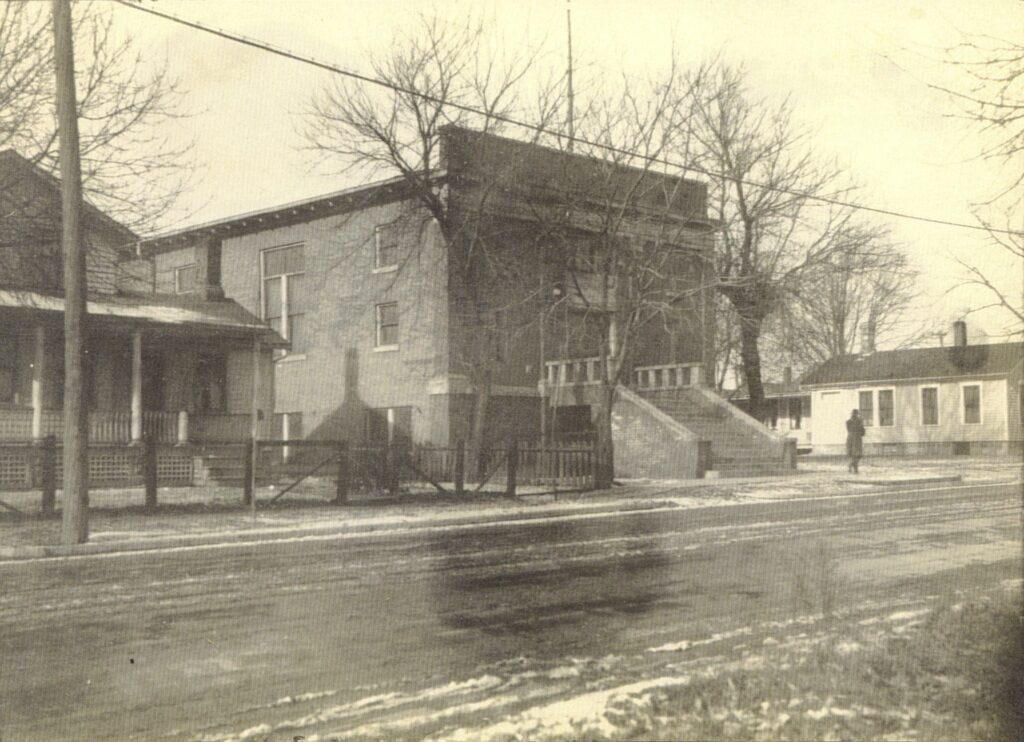
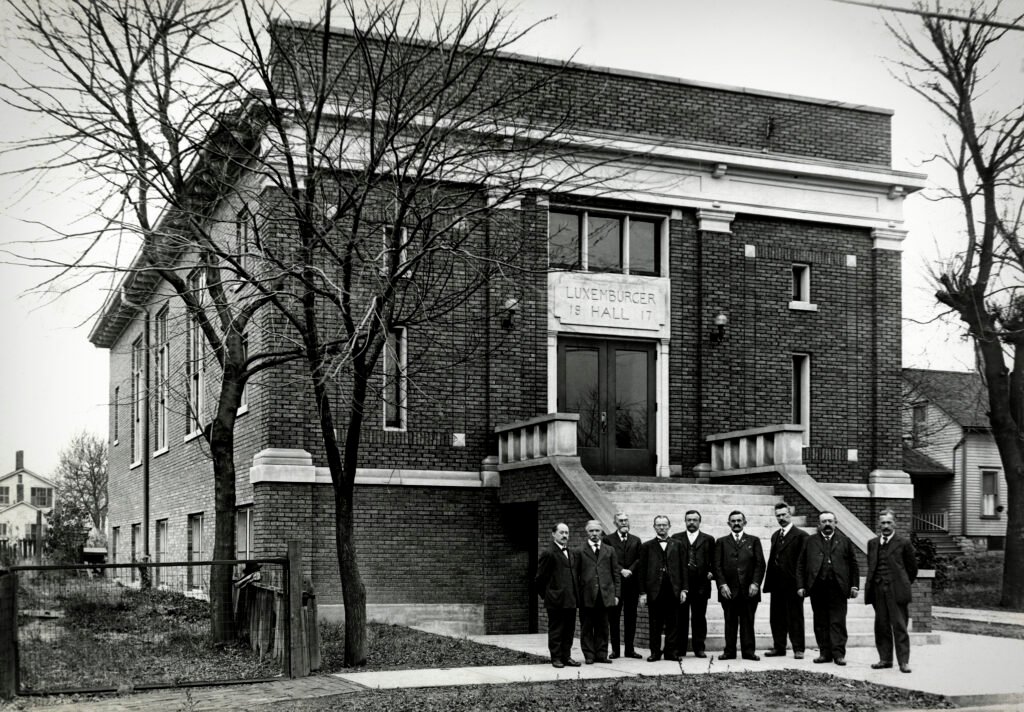
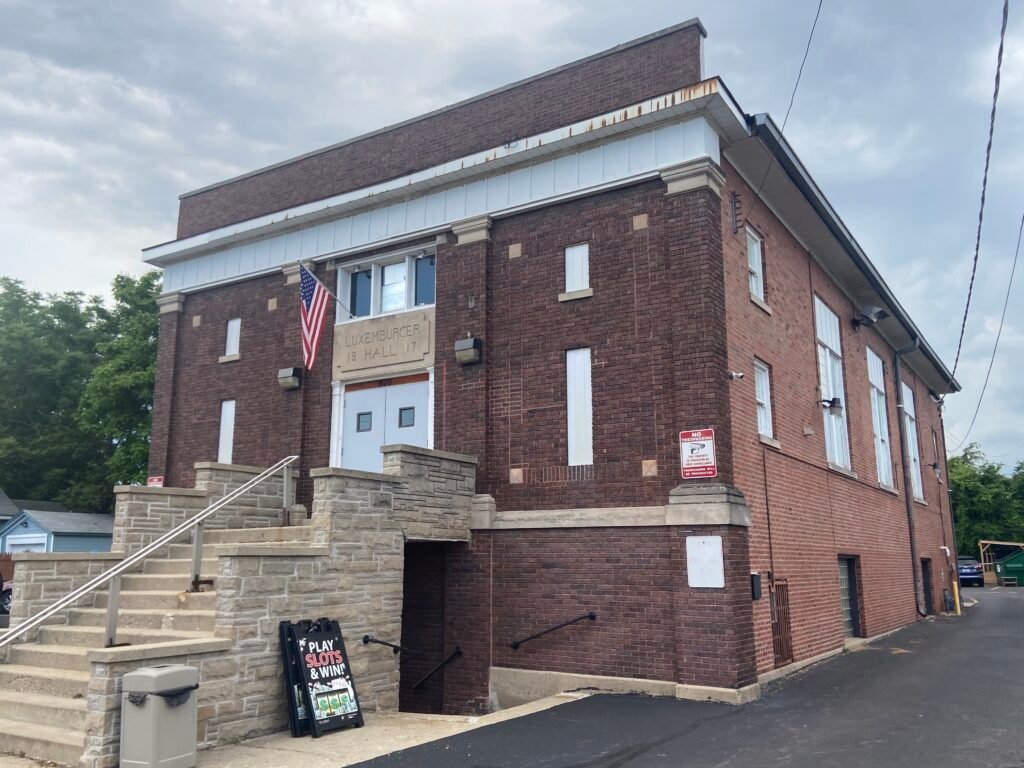
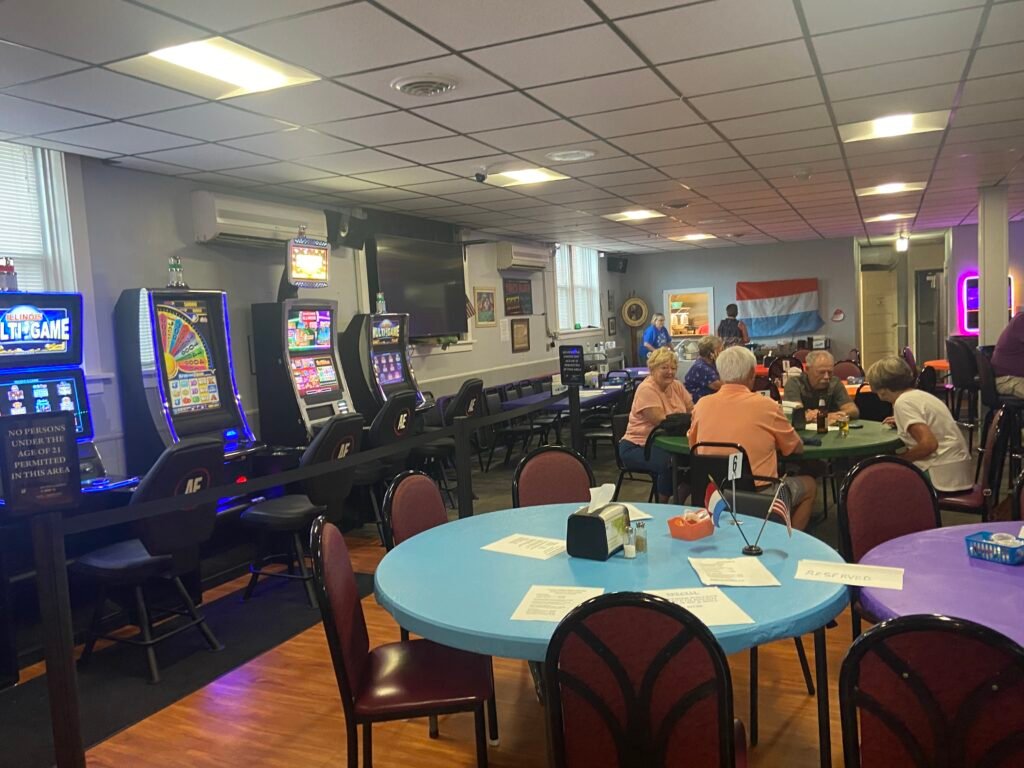
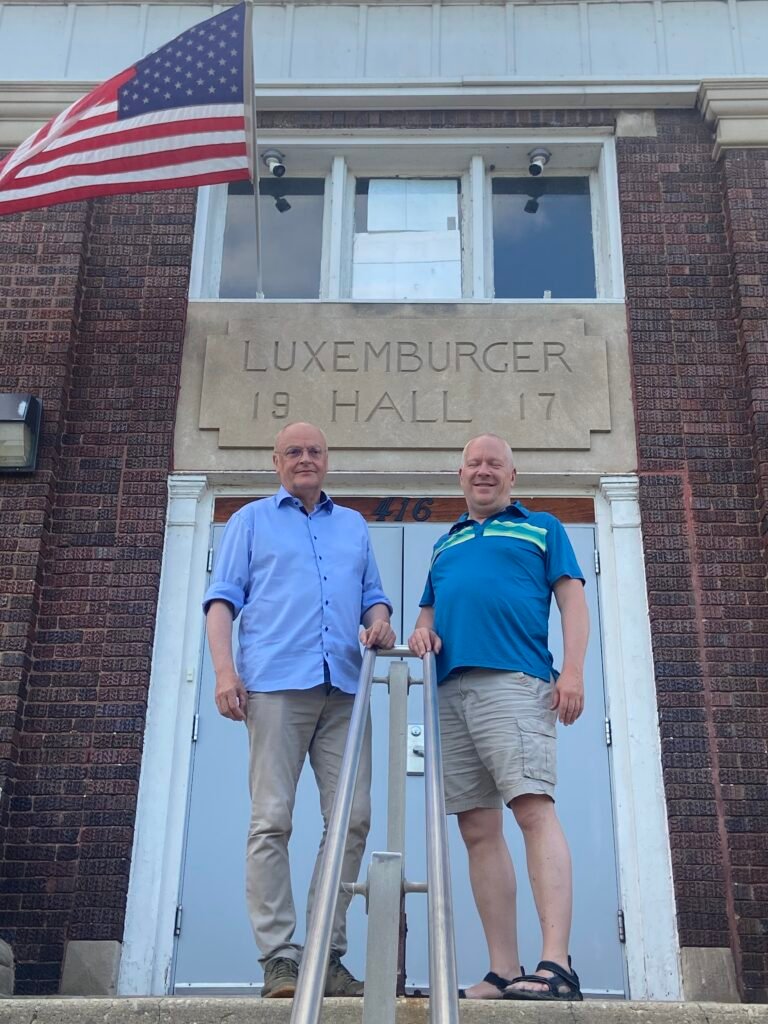
In 1916, the Luxembourg Independent Club of Aurora voted to build their own Luxemburger Hall on High Street, which was completed in May 1917 and became the social center for Luxembourgers in Aurora. Luxemburger Hall, known by locals as the Luxie Club, is the only Luxembourg clubhouse still currently functioning in the U.S.
In light of the social effects of World War I and a desire to be truly American, the name of the organization was changed to “American Luxemburger Independent Club” on March 4, 1919.
According to Joseph Lies, genealogist and author of “Luxemburger Immigrants to Aurora” (1976):
“With the coming of the 20th century, the immigrants and their children and grandchildren adopted the American pattern of culture, yet they still retained the characteristics of their forebearers.”
The American Luxemburger Independent Club saw increases in membership throughout its history, but membership began to decrease in the 1960s and 1970s. Demographics changed in the city and awareness of Luxembourg heritage and culture seemed to greatly diminish. Section 7 of the Brotherhood was disbanded in 1976.
A Resurgence in Luxembourger Pride
Since the 1980s, Latinos became the newest major ethnic group to settle in Aurora and today they represent a substantial percentage of its population.
However, descendants of early Luxembourg immigrants continue to be found in large numbers in the region. Here are signs that Luxembourg heritage and pride are still alive and well in Aurora:
- In 2013, Section 7 of the Luxembourg Brotherhood of America was reinstated and reorganized in hopes of building a stronger future for the Luxie Club.
- In June 2021, His Excellency Gaston Stronck, Luxembourg ambassador to the U.S., visited various Luxembourg sites in Aurora including the Luxie Club.
- In August 2022, His Eminence Jean-Claude Cardinal Hollerich, archbishop of Luxembourg, visited Aurora and celebrated Mass at Annunciation Church. A well-attended reception followed.
- Finally, numerous Luxembourg Americans with roots in Aurora have reclaimed Luxembourg citizenship. Luxembourg Legacy has had the privilege of working with many of these families and experiencing firsthand both their Luxembourg and Aurora pride.

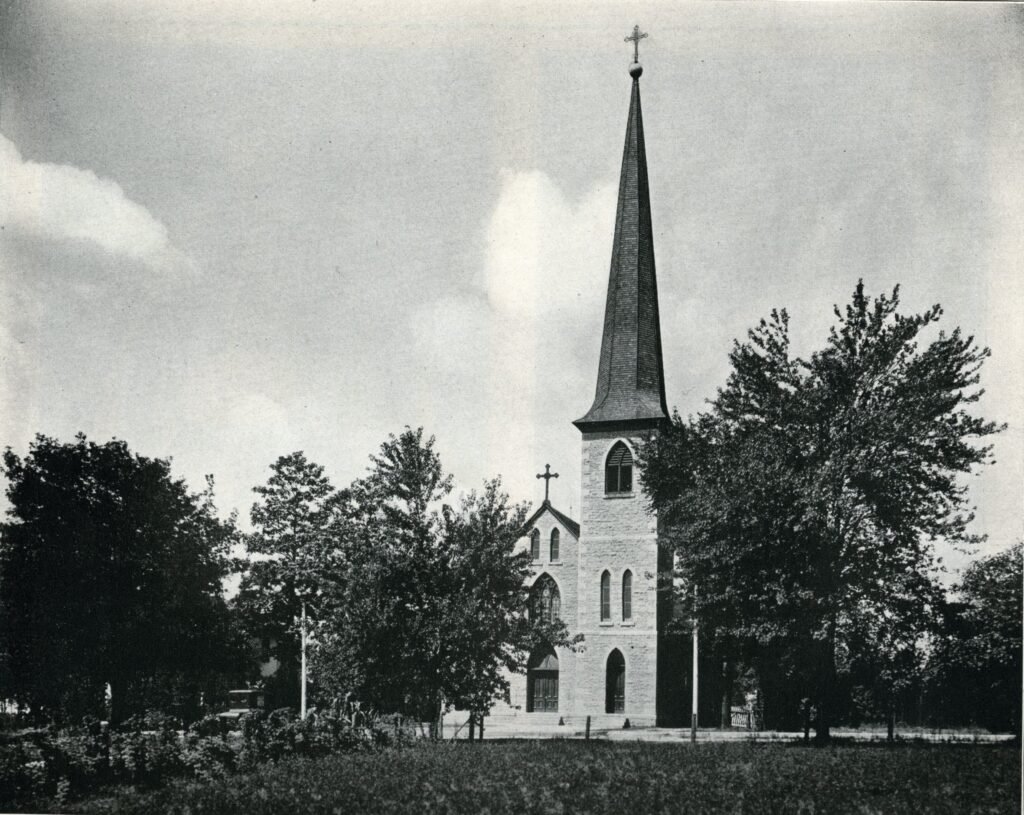
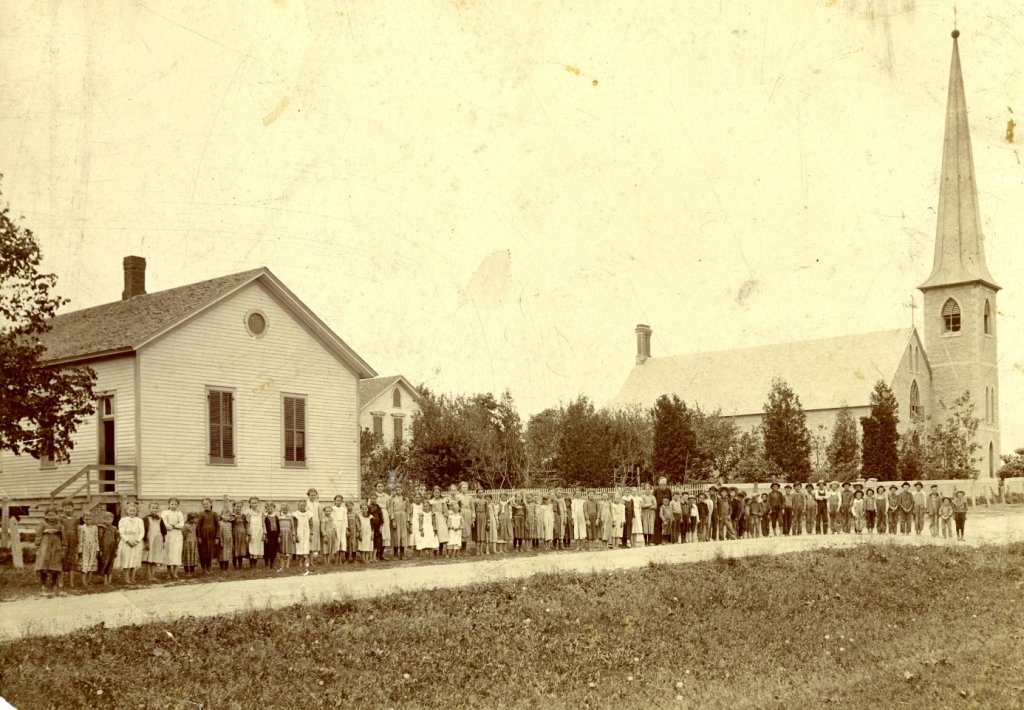

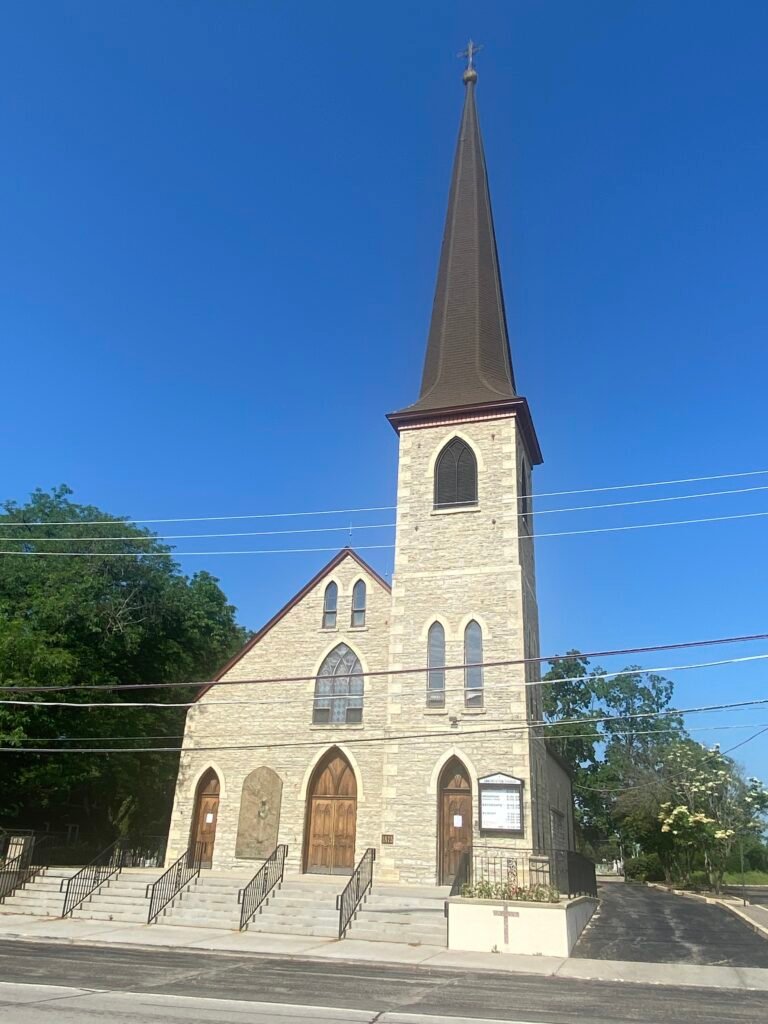
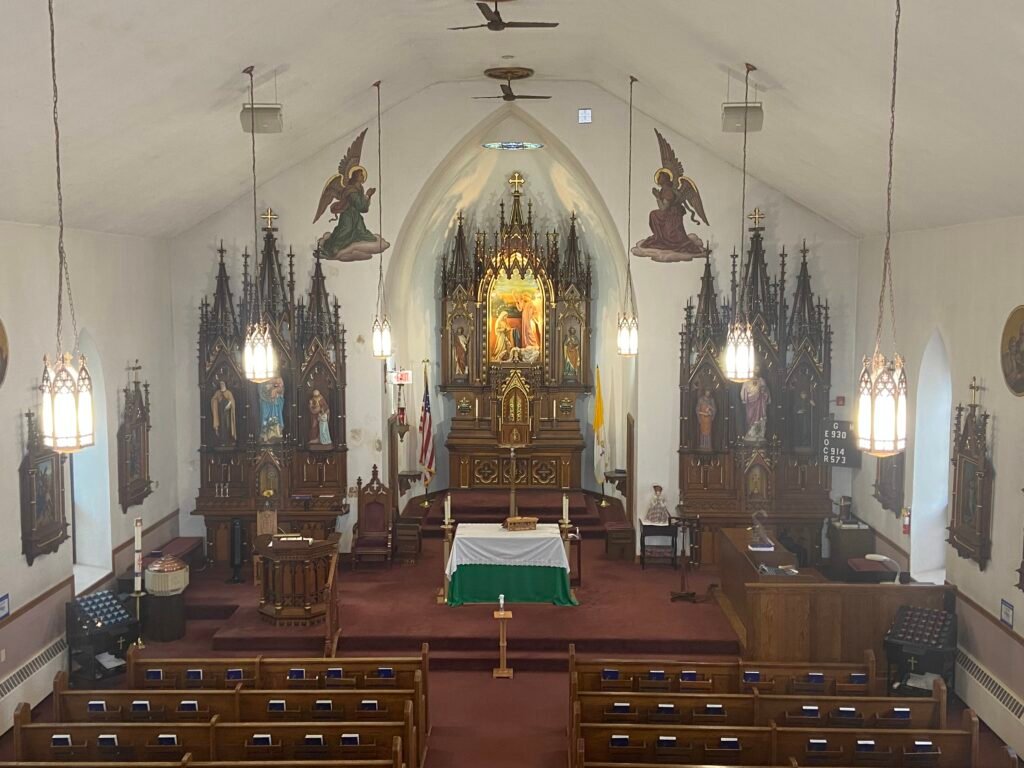
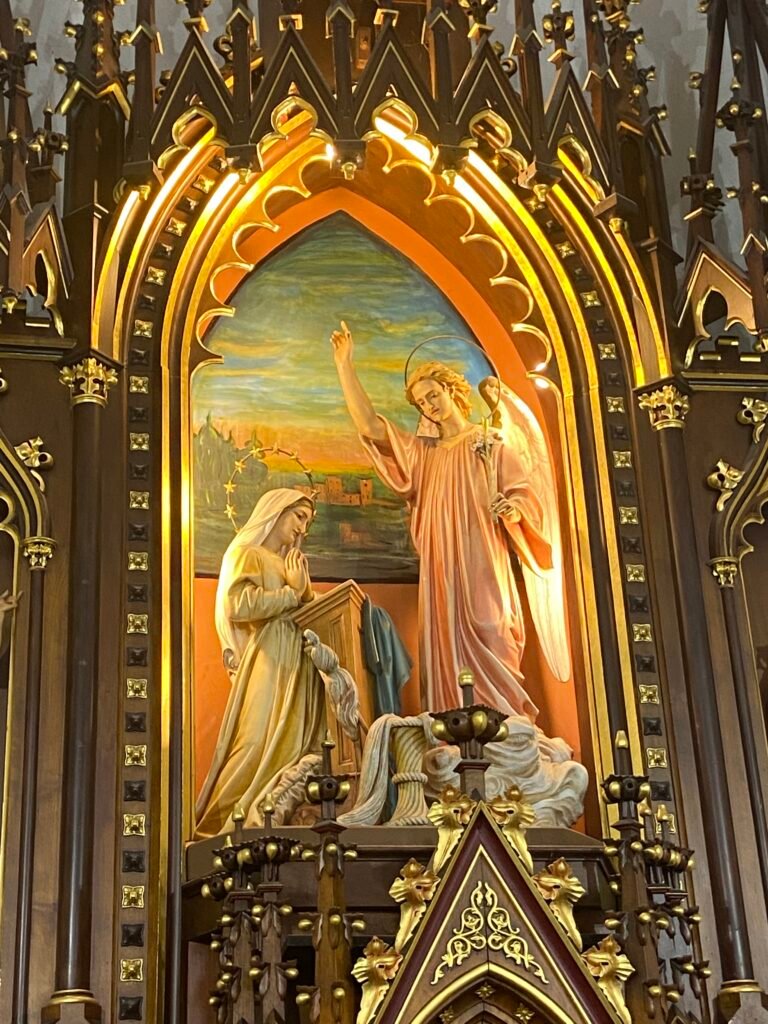


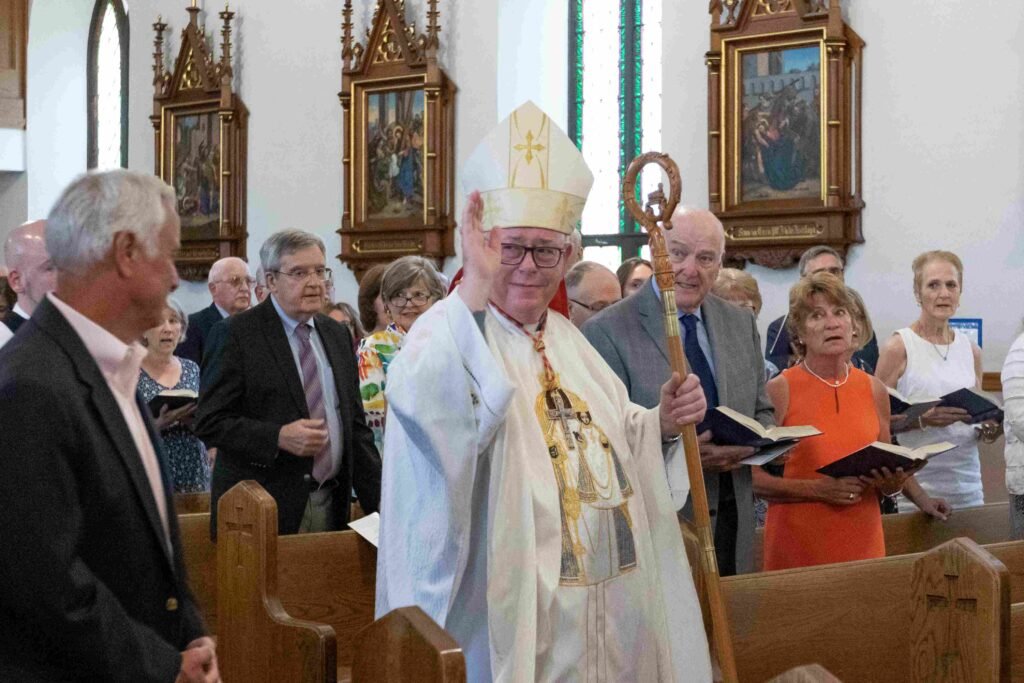
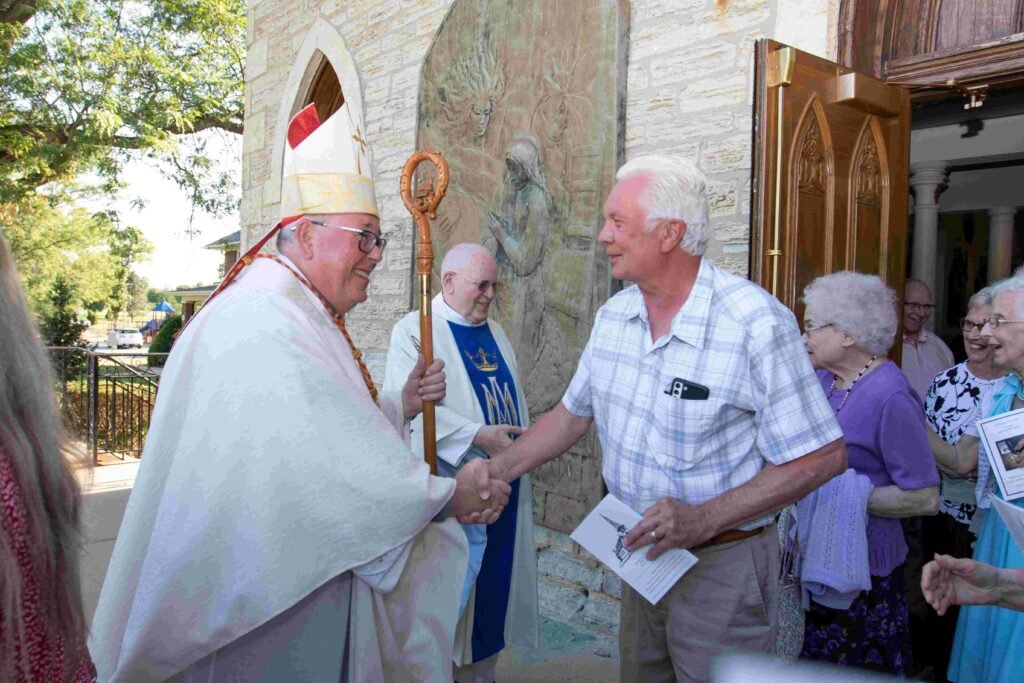
His Eminence Jean-Claude Cardinal Hollerich, archbishop of Luxembourg, visited Aurora in August 2022 and celebrated Mass at Annunciation Church.
A wonderful job on this. The pics are priceless.
Thanks, Father Joel. I was Barbara Allen (same class as your brother, John) now married and Barbara Krejca. I just got my Luxembourg passport a few weeks ago. I grew up being pleased to be of Luxembourg heritage, so being a citizen now is a treat. Best of luck to you and your family. I always thought you mom was wonderful.
Surprise! I know these people (recently found out many of the families are my relatives) and places. You never think you’re part of history growing up – yet here it is. I had my baccalaureate at St. Nicholas’ and didn’t even know it was part of my heritage. Thank you for writing this